
Last updated November 16, 2026
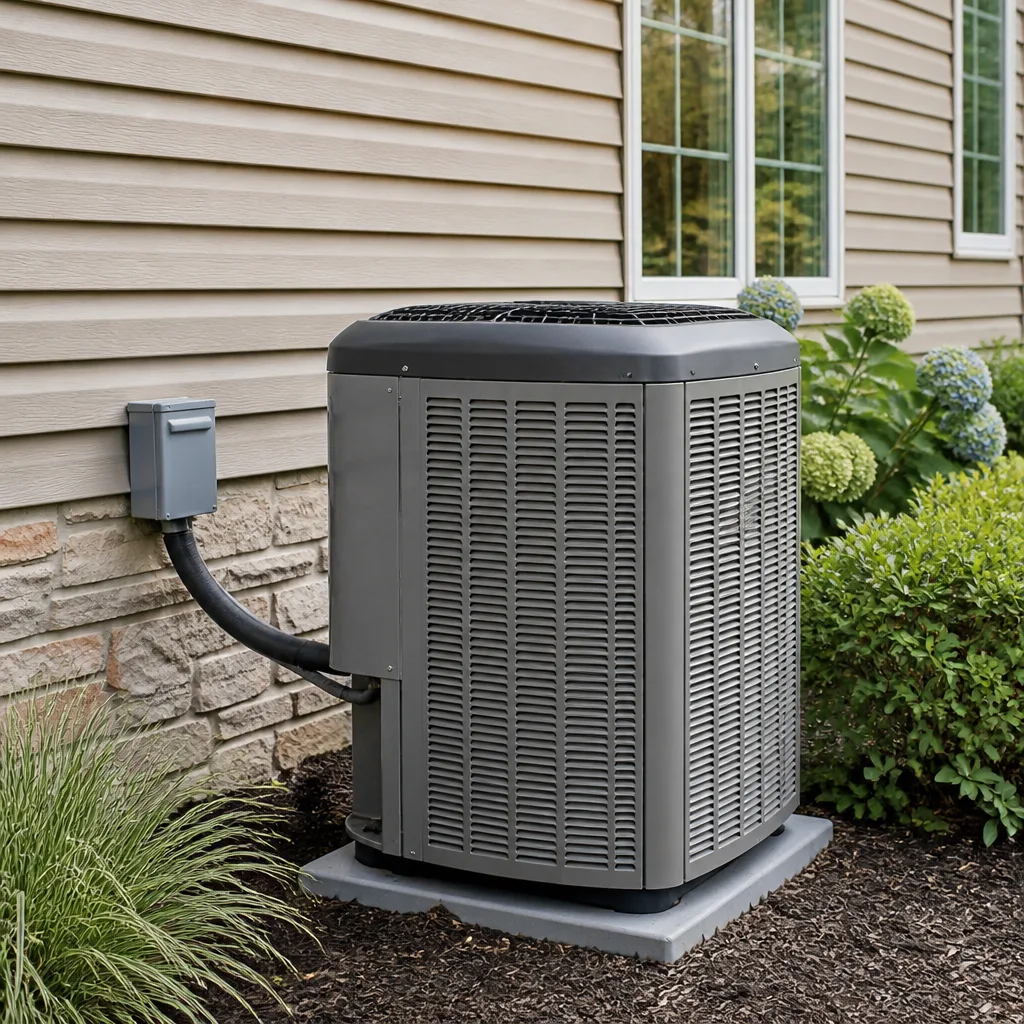 AC repair
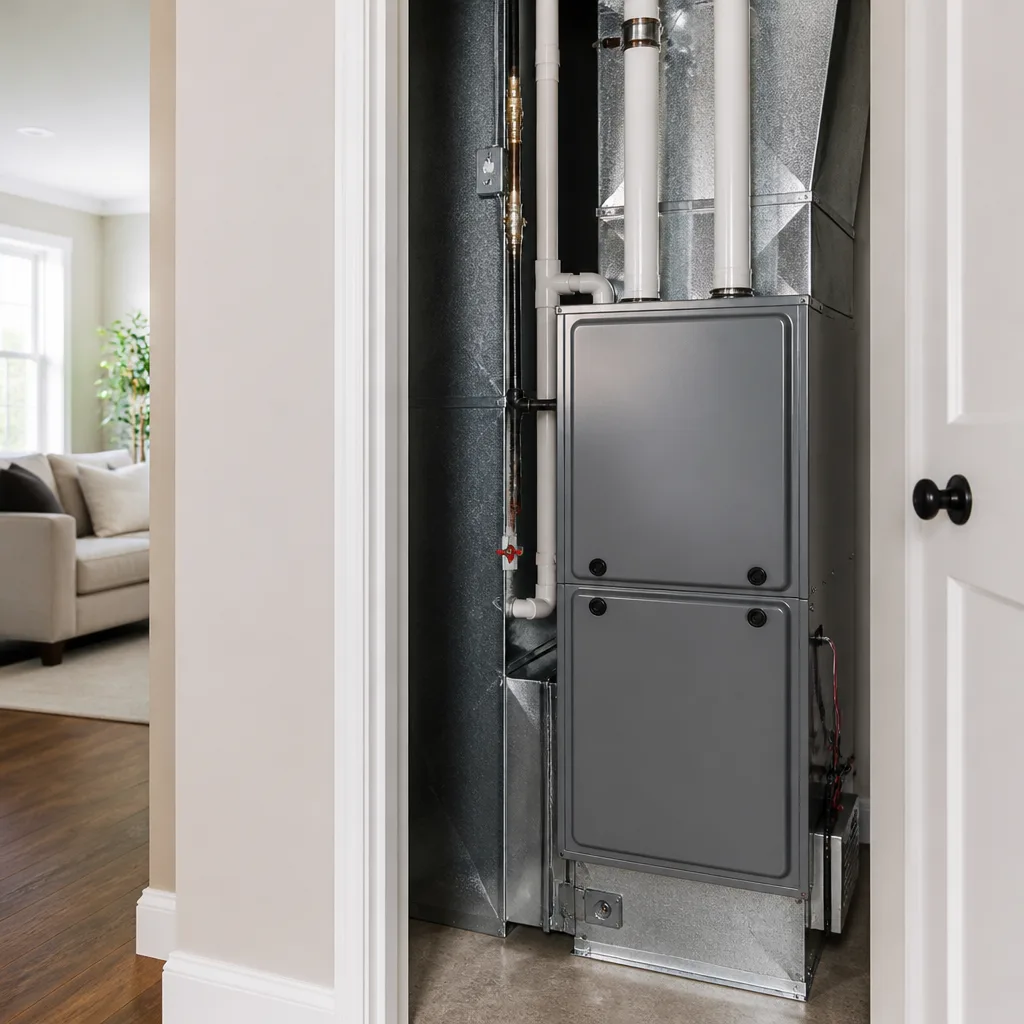 Furnace & heating
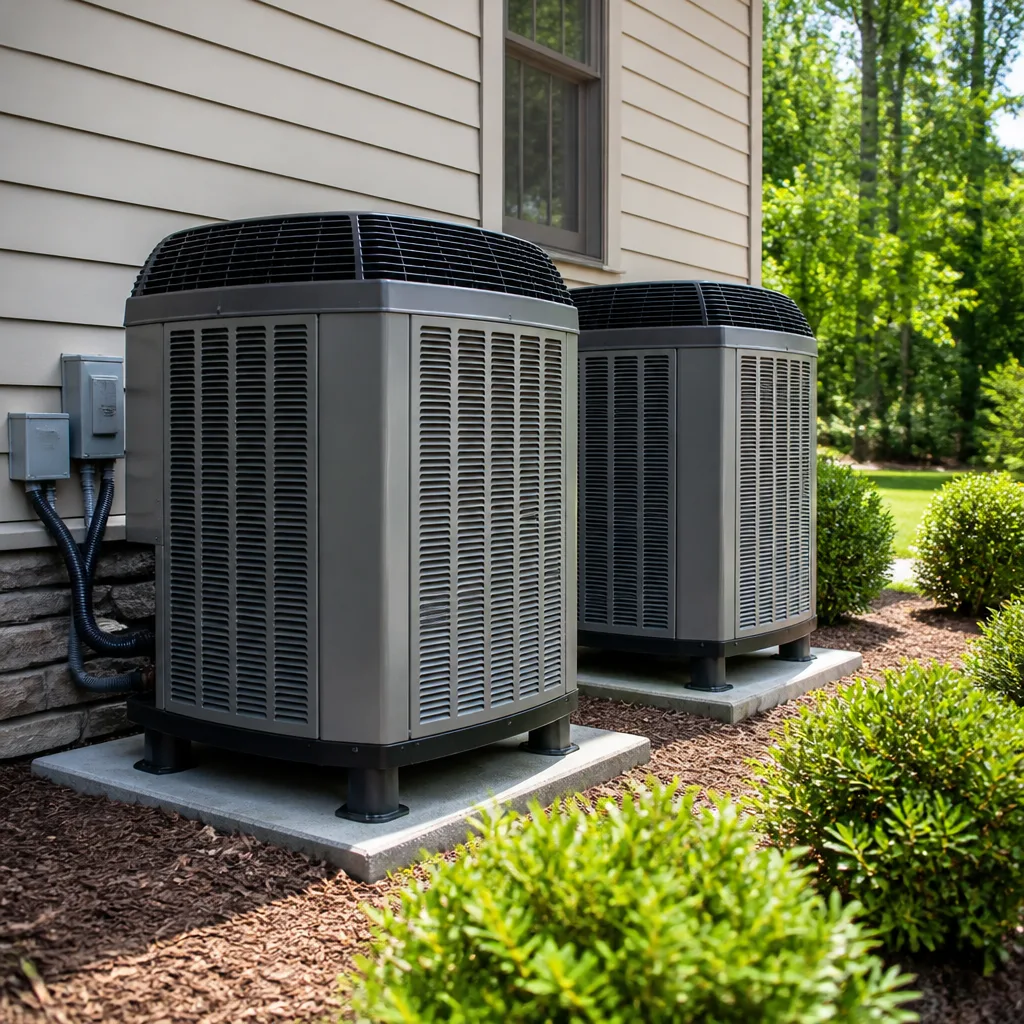 Heat pumps
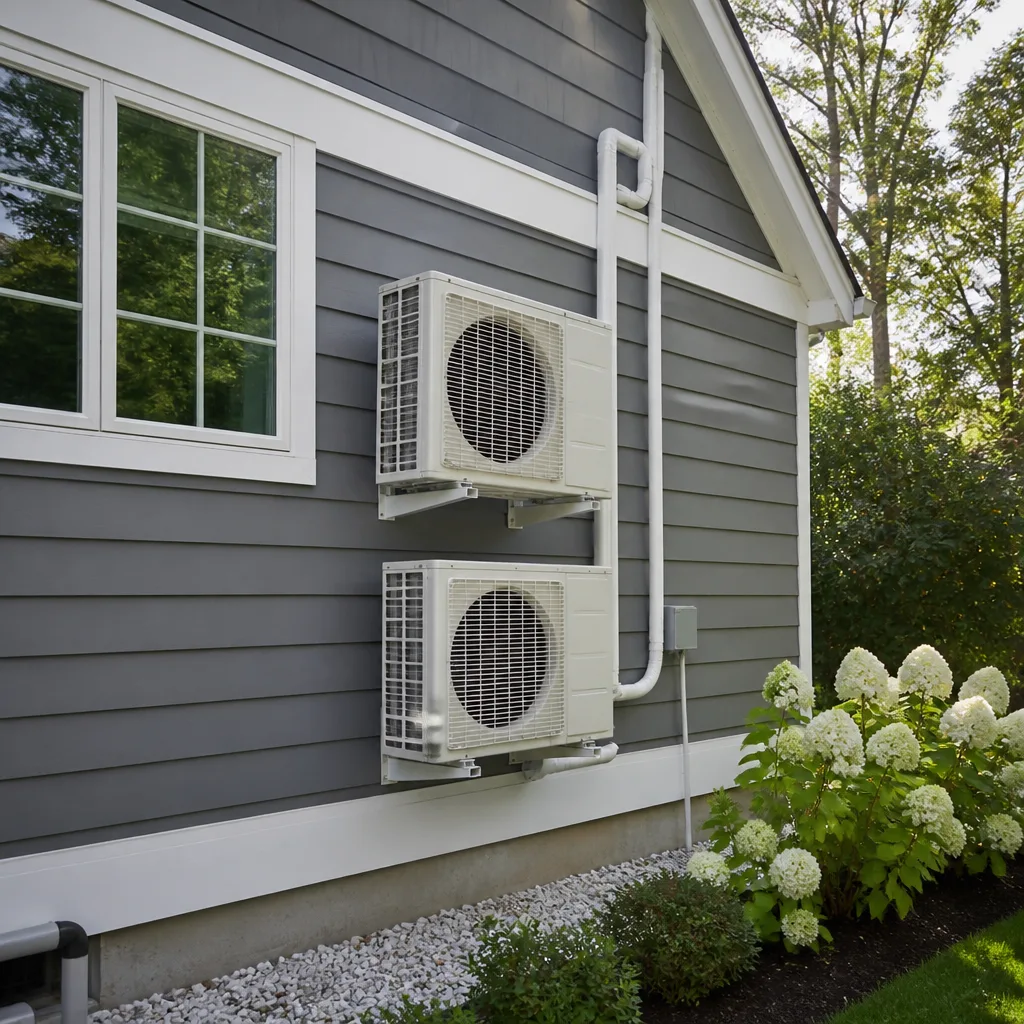 Ductless mini splits
 Carrier
 Trane
 Goodman
Seasonal tune-up and full diagnostic on your Carrier, Trane, or Goodman system - readings shown to you before any repair is proposed
Diagnosis first, numbers second - you approve the repair price before a single part goes in.
Get your free estimateHVAC Permits, Codes & Inspections in Allen, TX: What You Need to Know
Most homeowners in Allen treat a permit as paperwork that slows a project down. It’s actually the opposite: a permit is the receipt that proves your new equipment was installed to the standard the manufacturer and the city require. Skip it and you can void the warranty on a system you just paid thousands for, face questions when you sell, and carry liability if the work later causes damage. Homebuyers in Allen have started pulling permit histories through Collin County records before they close, so a shortcut a previous owner took can surface years later as a negotiating problem or a deal-killer. This guide walks through which jobs need a City of Allen permit, how the inspections work, what the timeline looks like, and how to confirm your contractor pulled the permit before anyone touches your equipment.
Quick Answer
Most HVAC work that replaces equipment or makes a meaningful change to your system requires a City of Allen permit and at least one inspection. Minor repairs, routine maintenance, and like-for-like component swaps generally do not. The permit matters because manufacturer warranties often depend on documented, code-compliant installation, and a final inspection sign-off is the proof that the work passed. Financing, resale, and insurance all key off that paper trail in Allen.
Styles & brands we work with
- AC repair
- Furnace & heating
- Heat pumps
- Ductless mini splits
- Carrier
- Trane
- Goodman
Table of Contents
- Which HVAC jobs need a permit in Allen, TX?
- What work is exempt from a permit?
- How does the City of Allen inspection process work?
- What does the timeline look like from application to sign-off?
- How does skipping a permit void your manufacturer warranty?
- What happens if you buy a home with unpermitted HVAC work?
- How to verify your contractor pulled the permit before work starts
- Which codes actually apply to a residential HVAC job in Allen?
Which HVAC jobs need a permit in Allen, TX?
Replacing a cooling system, replacing a furnace, or installing new ductwork requires a City of Allen permit. So does any job that changes the size, location, or routing of equipment. The list is shorter and clearer than most homeowners assume, which is good news: the jobs that do need a permit are exactly the jobs where documented code compliance protects your investment. A like-for-like part swap on an existing system is a repair, not a permitted alteration, and it falls outside the permit requirement.
The rule of thumb we use with our customers: if the job involves opening the equipment envelope (a new condenser, a new air handler, a new furnace cabinet), it needs a permit. If it involves fixing a component inside the existing equipment (a capacitor, contactor, blower motor, ignitor, inducer), it does not. Installation and repair are two sides of what we do at Highpoint AC Repair, and the permit line runs between them.
Jobs that typically require a City of Allen permit:
- Full AC or condensing unit replacement
- Furnace replacement, including swap from one fuel type to another
- New ductwork, major duct redesign, or supply/return resizing
- Relocating or resizing indoor or outdoor equipment
- Adding a new zone or a second system to a home
- Electrical work at the equipment disconnect or breaker that serves the HVAC system
If your contractor is vague about whether a job needs a permit, that’s a signal. A technician who knows the local process will tell you in one sentence. Our technicians have up to 11 years of experience and we’ve walked hundreds of Allen homeowners through this paperwork. When we quote ac installation in Allen, the permit is part of the scope, not an add-on you have to chase.
What work is exempt from a permit?
Routine maintenance, filter changes, minor repairs to existing components, and diagnostics do not require a City of Allen permit. That covers everything from a seasonal tune-up to swapping a failed thermostat. The exemption is why a service call for a system that won’t cool doesn’t start with a permit application – it starts with a technician diagnosing the problem. Fast dispatch from 7am to 7pm means we can usually be on-site the same day the system quits.
Repairs that fall outside the permit requirement include:
- Replacing a capacitor, contactor, or relay
- Replacing a blower motor or fan motor in the existing cabinet
- Replacing a thermostat
- Cleaning a condensate drain or replacing condensate safety switches
- Diagnosing refrigerant leaks, electrical faults, or air-flow issues
- Replacing a gas valve or ignitor in an existing furnace
The gray area is anything that involves the refrigerant circuit, the gas line, or the electrical feed to the equipment. Those get a permit every time because they touch systems a licensed tradesperson has to sign off on. When you call for furnace repair in Allen, we’ll tell you on the phone which category the job falls into and why. We aren’t going to pull a permit you don’t need, and we aren’t going to skip one you do.
One more note: even exempt work should be documented. Save the invoice. Save the part name and number. That record helps the next technician, and it helps you if a warranty question ever comes up. Documentation is a habit that pays for itself the first time you need to prove something happened.
How does the City of Allen inspection process work?
An Allen HVAC permit typically requires one inspection, which happens after the installation is complete but before the contractor closes out the job. The inspector is not there to re-install the system. The inspector is there to confirm the installed work matches what the permit application described and meets the applicable mechanical, electrical, and gas code. Passing means the system was installed the way it was supposed to be. Failing means something is wrong and has to be corrected before the job is closed.
What inspectors typically check on a residential replacement:
- Equipment model, capacity, and efficiency match the permit application and the plans
- Clearance from combustibles around the furnace and the outdoor unit
- Electrical connections, disconnect, overcurrent protection, and grounding
- Gas pipe sizing, shut-off valve placement, and flue venting (on gas equipment)
- Condensate drain routing and the safety switch on the overflow line
- Duct connections sealed at the equipment and at the plenum
- Access for service and maintenance (a filter rack that can actually be reached)
- Commissioning data – refrigerant charge, airflow, and static pressure recorded on the install paperwork
The inspection is where documentation gets built. The final sign-off on the permit becomes part of your home’s record. That record is what a home inspector reads when a buyer’s inspector asks whether the system was installed to code. In a housing market like Allen’s, where buyers are increasingly careful about what they inherit, that sign-off carries real weight.
What does the timeline look like from application to sign-off?
A typical Allen HVAC permit takes anywhere from a few business days to about two weeks end-to-end, with the install itself handled between the application approval and the final inspection. The largest variable is the city’s review queue; the smallest variable is the install, which is usually one day for a straightforward residential replacement. Plan on the whole process being a two-week window and you’ll be close. Plan on a same-day turnaround and you’ll be disappointed.
Here’s the sequence most replacements follow:
- Scope and quote. The contractor measures the home, does a load calculation, and confirms which equipment is going in. This is where the efficiency rating and capacity get locked down.
- Permit application. Your contractor submits to the City of Allen with the equipment model, capacity, and scope. If the permitting office needs clarification, this is where the schedule can stretch.
- Approval. Once the permit is issued, the install date is confirmed. Equipment gets ordered and scheduled.
- Installation. One day for most residential replacements. The old equipment comes out, the new equipment goes in, and the contractor commissions the system.
- Inspection scheduling. The contractor requests the inspection and the city schedules an inspector.
- Inspection. The inspector reviews the install against the permit and the code. Passing closes the permit.
- Final sign-off. The permit closes and the signed record goes to the homeowner. Keep this with the equipment paperwork.
Installation is scheduled work, not same-day work: the permit, the equipment order, and the inspection all have to line up. What we promise on installation is a written fixed price, a confirmed install date, and a clear picture of where the permit is in the process. If your system is failing and you’re weighing repair against replacement, we’ll tell you honestly which side of the decision you’re on. In Allen, a mild spring and a mild fall make the shoulder seasons the easiest time to schedule either a replacement or a repair, and that flexibility is worth using.
How does skipping a permit void your manufacturer warranty?
Most major HVAC manufacturers tie their equipment warranty to proof of proper installation. “Proper” means installed by a licensed technician, to the applicable code, with documentation on file. A permit and its inspection sign-off are the cleanest documentation a homeowner can have. Without them, an installer is asking the manufacturer to take the installation on faith, and manufacturers increasingly don’t.
This is where the warranty story gets specific. If a compressor fails at year four and the manufacturer opens a claim, one of the first questions the claims department asks is whether the system was installed to code by a licensed contractor. If the answer is “there’s no permit history,” the claim can be denied or reduced. That turns a job that was supposed to be covered into a job you pay for. It’s not a small gap. The core of a residential system is not cheap to replace, and a voided warranty is where the cost lands.
We work on nine major brands – Carrier, Trane, Lennox, Goodman, Rheem, York, Daikin, Bryant, and American Standard – and the warranty language varies by manufacturer. But they all share the same foundation: licensed installation, documented to code. A York or an American Standard install has different paperwork, but both expect the same paper trail. That’s the argument for pulling the permit: it’s not about pleasing an inspector, it’s about keeping your manufacturer’s warranty alive for the full term.
What happens if you buy a home with unpermitted HVAC work?
If a home inspection turns up an HVAC replacement with no permit history, the buyer typically has three options: ask the seller to pull a retroactive permit and get it inspected, negotiate a credit to cover remediation, or walk. The rights and timing belong to the specific contract and the advice of an Allen real estate attorney or title company – we can’t give you a legal opinion here. What we can do is tell you what the HVAC system itself needs to bring it into a documented, insurable state.
In practice, the remediation path usually looks like this:
- Get an HVAC assessment. A licensed contractor inspects the installed equipment, confirms the model and capacity, and documents what code issues exist.
- Apply for a retroactive permit. The City of Allen permitting office reviews what was installed and what corrections are needed to bring it to current code.
- Make corrections. Depending on what the assessment finds, this could be minor (a missing disconnect, an undersized flue) or significant (equipment the wrong size for the home, unsafe venting, inadequate clearances).
- Final inspection. Once corrections are made, the city inspects and closes the permit.
- Documentation. The buyer receives the signed permit history, which now becomes part of the home’s record.
Buyers in Allen are pulling this information through Collin County records as part of their due diligence, not as an afterthought. That’s a newer pattern, and it makes the unpermitted shortcut a worse bet than it used to be. If you’re the seller and you have an unpermitted job in the history, getting it remediated before listing is cheaper than getting it negotiated down at closing.
How to verify your contractor pulled the permit before work starts
Ask for the permit number and the confirmation email before anyone shows up with equipment. A contractor who has pulled a permit will have that number in hand within a day of submitting the application. A contractor who hasn’t will deflect. The deflection usually runs through one of a few predictable phrases: “it’s not required for this job,” “we handle that at the end,” or “the homeowner pulls it.” None of those is what you want to hear.
Here’s how to verify a permit without making it awkward:
- Ask in writing. Add “confirm permit number and copy of permit application” to the quote. Contractors who intend to pull one will note it without argument.
- Call the City of Allen permitting office. Give them the address and the contractor name. They can confirm whether a permit is on file and its status.
- Compare the equipment on the permit to the equipment in the quote. If the model on the permit doesn’t match what’s going to be installed, that’s a red flag – often a sign of a load calc done wrong or a model substitution pulled off without telling you.
- Verify the contractor’s license independently. A permit isn’t a license. The state licensing board has a lookup tool; use it.
- Check the inspection gets scheduled. A permit that’s pulled but never inspected is a permit that hasn’t actually delivered its value.
If you’re shopping for a contractor in Allen and want to save time, ask upfront about the permit process. The contractor who’s ready with a clear answer is the contractor who’s done this in Allen before. It’s a fair filter, and it costs you nothing to use it. A written fixed price should always include the permit; a quote that quietly excludes it isn’t a fixed price.
Which codes actually apply to a residential HVAC job in Allen?
Allen HVAC work follows the International Residential Code (IRC) as adopted locally, plus the mechanical, electrical, and gas provisions of the current code cycle. In plain terms, that means the equipment has to be sized, installed, vented, wired, and clearanced per those standards. The city’s adopted amendments and the exact code year belong to the City of Allen permitting office, so when in doubt, that’s who to ask. We don’t guess at code; we read it from the source.
The code points that come up most often on residential replacements:
- Equipment sizing. Load calculations matter. An oversized system cools short-cycles, doesn’t dehumidify well, and wears out faster. Allen’s mild winters and hot summers make both the heating and cooling sides of that calculation important.
- Refrigerant. Current refrigerant handling rules apply. Whoever handles the refrigerant circuit has to be certified to do it, and the system has to be leak-tested before commissioning.
- Combustion safety. Gas equipment requires proper venting, clearances, and combustion air. This is where most inspection failures originate, and it’s also where real safety risk lives.
- Electrical. Disconnect, overcurrent protection, and grounding all have to be right. An incorrectly wired disconnect is a fire safety issue. This work belongs to a licensed technician, not a homeowner with a wiring diagram.
- Ductwork. Connections at the equipment and at the plenum must be sealed and supported. Undersized or leaky ductwork undermines everything the equipment does.
We can’t overstate the safety point on combustion and electrical. Gas lines and electrical panels are not DIY territory. A licensed technician protects you; a weekend internet tutorial does not. That’s true in every city, but on a documented Allen permit the inspection is the accountability step that catches the mistakes.
Common Mistakes to Avoid
- Assuming the contractor handled the permit. Always confirm in writing. If the permit number isn’t in hand before the equipment arrives, the process has already slipped.
- Accepting “the inspector will find anything wrong.” Inspectors catch what’s visible and documented. They don’t catch an undersized system if the paperwork listed a different size. Verify the permit lists the equipment going in.
- Skipping the permit to save time. A couple of weeks of turnaround is cheap compared to a voided manufacturer warranty, and in Allen the resale complication can cost far more than the permit.
- Not keeping the sign-off paperwork. The signed permit is part of your home’s history. File it with the equipment manual, the warranty card, and the install invoice.
- Letting a homeowner-pulled permit stand in for a contractor-pulled permit. The homeowner who pulls the permit often becomes the responsible party for the work. That’s the wrong risk to take on a mechanical system.
- Buying a home without checking the HVAC permit history. In Allen, this is now a standard due-diligence step. If your agent isn’t checking it, ask them to.
- Replacing a furnace or AC without a load calculation. The permit application needs the right sizing. Skip the load calc and the permit gets filed for the wrong equipment.
See the difference
 Before
 After
 Before
 After
 Before
 After
When to Call a Professional
Call a licensed HVAC professional when your system needs a replacement, when the equipment sizing is unclear, when the permit history for your home is missing, when a gas or electrical component of the system needs work, or when an inspection has flagged an issue you don’t understand. Call when the process needs to move faster than you can drive it, and call when you’re buying an Allen home with unknown HVAC history and want a straight read on what you’re inheriting. Gas lines, refrigerant circuits, and electrical panels are not places to test your own judgment. Highpoint AC Repair offers free estimates in Allen, and our technicians have up to 11 years of experience working through this exact process. Call (855) 752-3431. We answer 24/7. Fast dispatch from 7am to 7pm, Sunday through Friday.
Frequently Asked Questions
Yes, replacing a cooling system in Allen requires a City of Allen permit. The permit is submitted by the licensed contractor before the install, and the job needs a final inspection before it can be closed. Skipping the permit is what voids manufacturer warranties and creates resale problems.
Most Allen HVAC permits run a few business days to about two weeks from application to final sign-off. The city review queue drives most of the schedule, and the install itself is usually a one-day job. Factor the full window into your plans and you won’t be surprised by the timeline.
Some jurisdictions allow homeowner permits for work on a primary residence, but it puts you in the position of the responsible party for code compliance and the inspection result. For a mechanical system that carries gas, refrigerant, and electrical, the cleaner path is to use a licensed contractor who pulls the permit. Ask the City of Allen permitting office directly if you want to confirm the current rule.
Skipping the furnace permit puts the manufacturer warranty at risk and creates an unpermitted job in your home’s record. If a later inspection or a buyer’s due diligence surfaces it, you may have to remediate retroactively, which costs more than doing it right the first time. A permit is cheaper than remediation.
Yes, most residential HVAC replacements in Allen require at least one inspection before the permit can close. The inspector confirms the installed equipment matches the permit and meets the code, and the resulting sign-off becomes part of your home’s permit history. A permit that never gets inspected hasn’t delivered its value.
Call the City of Allen permitting office with the address and ask for the permit history. If the HVAC replacement appears, confirm the permit was inspected and closed. If it doesn’t appear, you’re looking at unpermitted work, and a licensed HVAC assessment is the right next step.
Routine maintenance, diagnostics, and repairs to existing components (capacitors, contactors, blower motors, thermostats, gas valves) generally do not need a permit. The permit line falls between repair and replacement; anything that opens the equipment envelope or changes the equipment size, location, or ductwork needs one.
Contractors sometimes pull permits after the fact, but it doesn’t carry the same weight as a permit pulled before work begins. A permit pulled before the install documents the scope in advance; a retroactive permit documents what already happened. Ask for the permit number before the equipment arrives.
The Bottom Line
A City of Allen HVAC permit is a small piece of paperwork with a big job. It confirms the equipment was installed to code. It documents the work in the home’s record. It keeps the manufacturer warranty intact. It removes a negotiating problem at resale. And it puts the responsibility for compliance on a licensed contractor rather than the homeowner. The jobs that require a permit are the jobs where documented compliance is actually worth having; the jobs that don’t need one are the routine repairs where it isn’t. Know which side of that line you’re on before the equipment arrives, and ask for the permit number in writing. It’s the simplest safeguard in the whole process.
If you’re scheduling an AC installation or a furnace replacement in Allen and want the permit handled right the first time, we’re ready to walk you through it. Call (855) 752-3431 for a free estimate. We answer 24/7. Fast dispatch from 7am to 7pm, Sunday through Friday.
Written by the team at Highpoint AC Repair.