
Last updated November 16, 2026
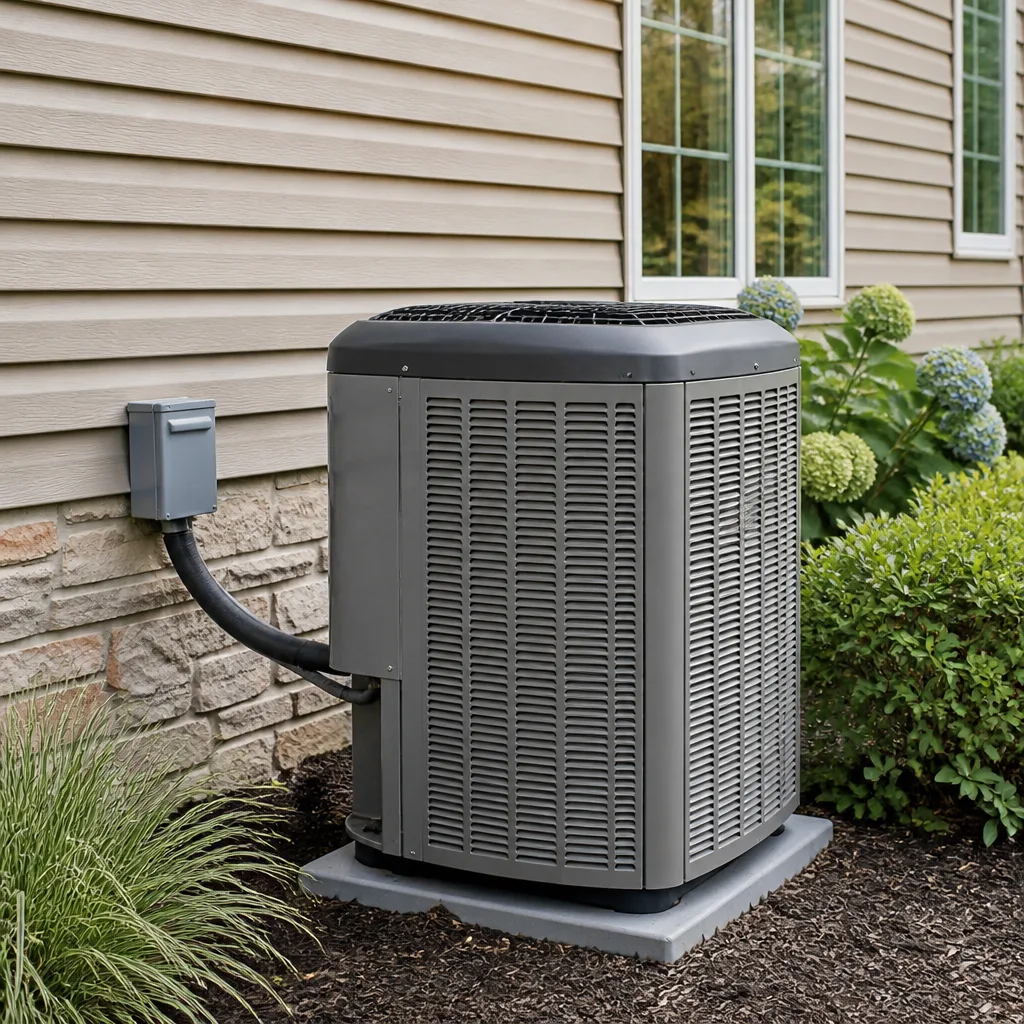 AC repair
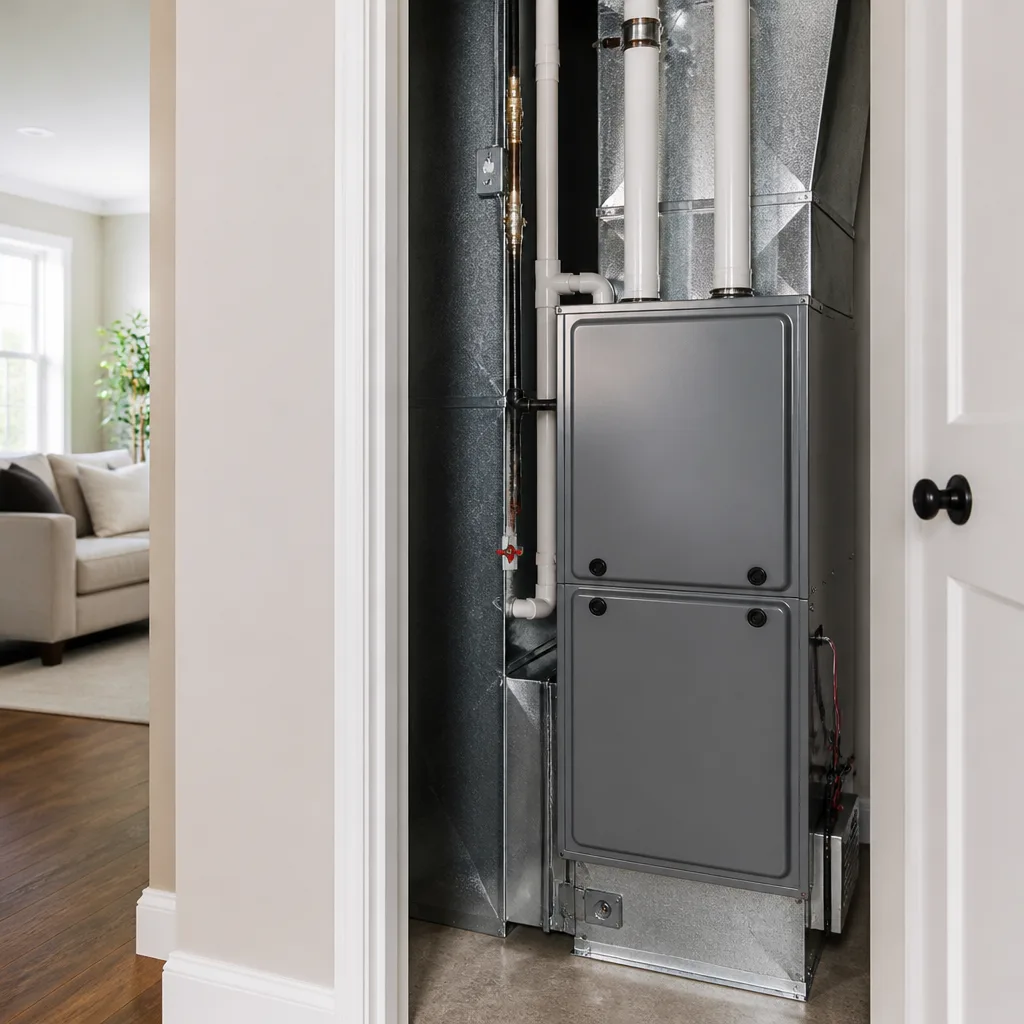 Furnace & heating
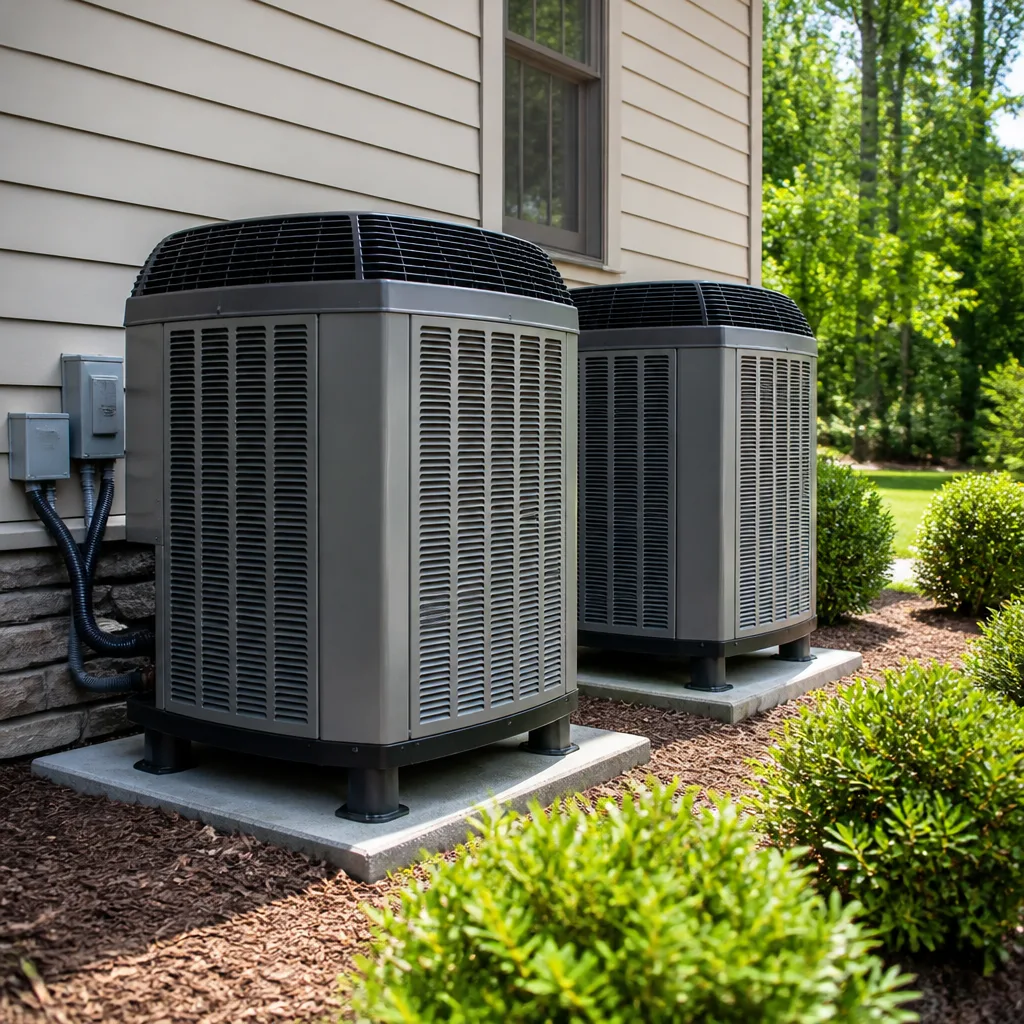 Heat pumps
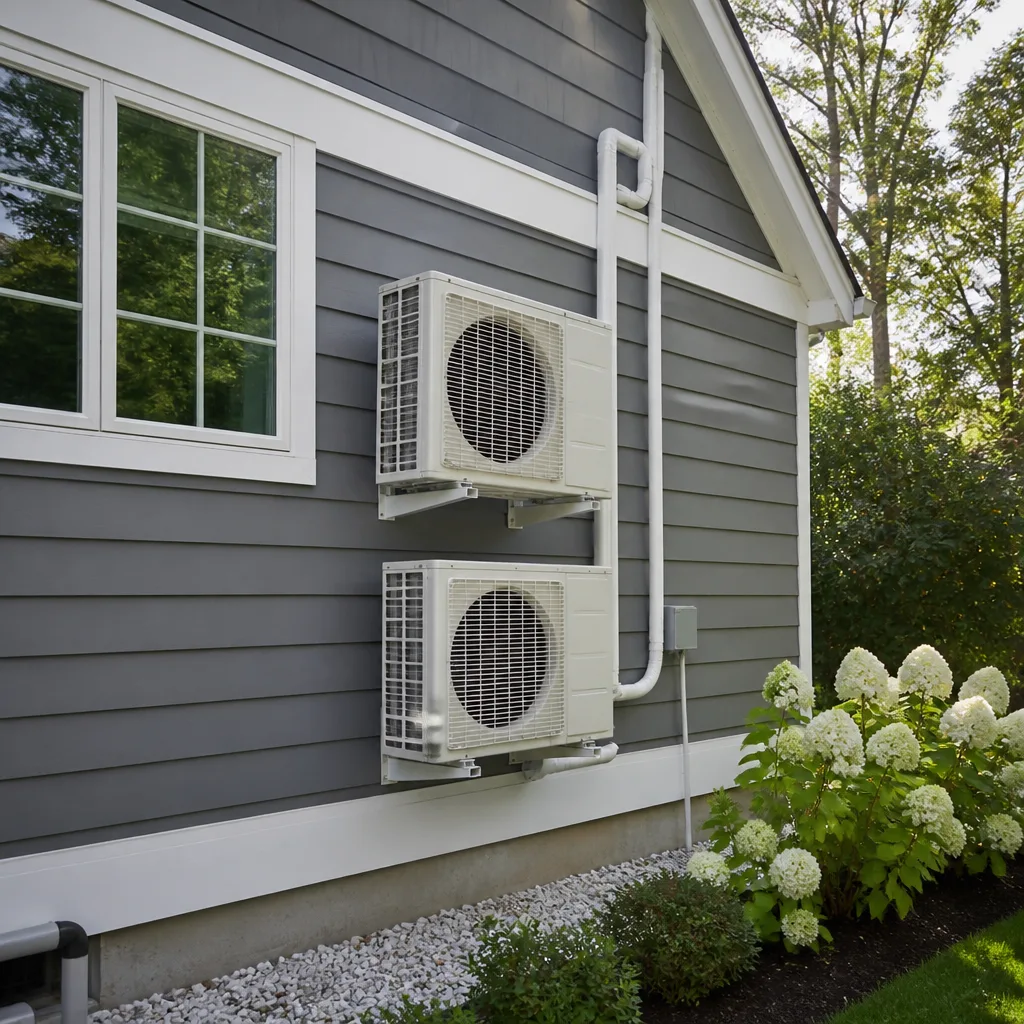 Ductless mini splits
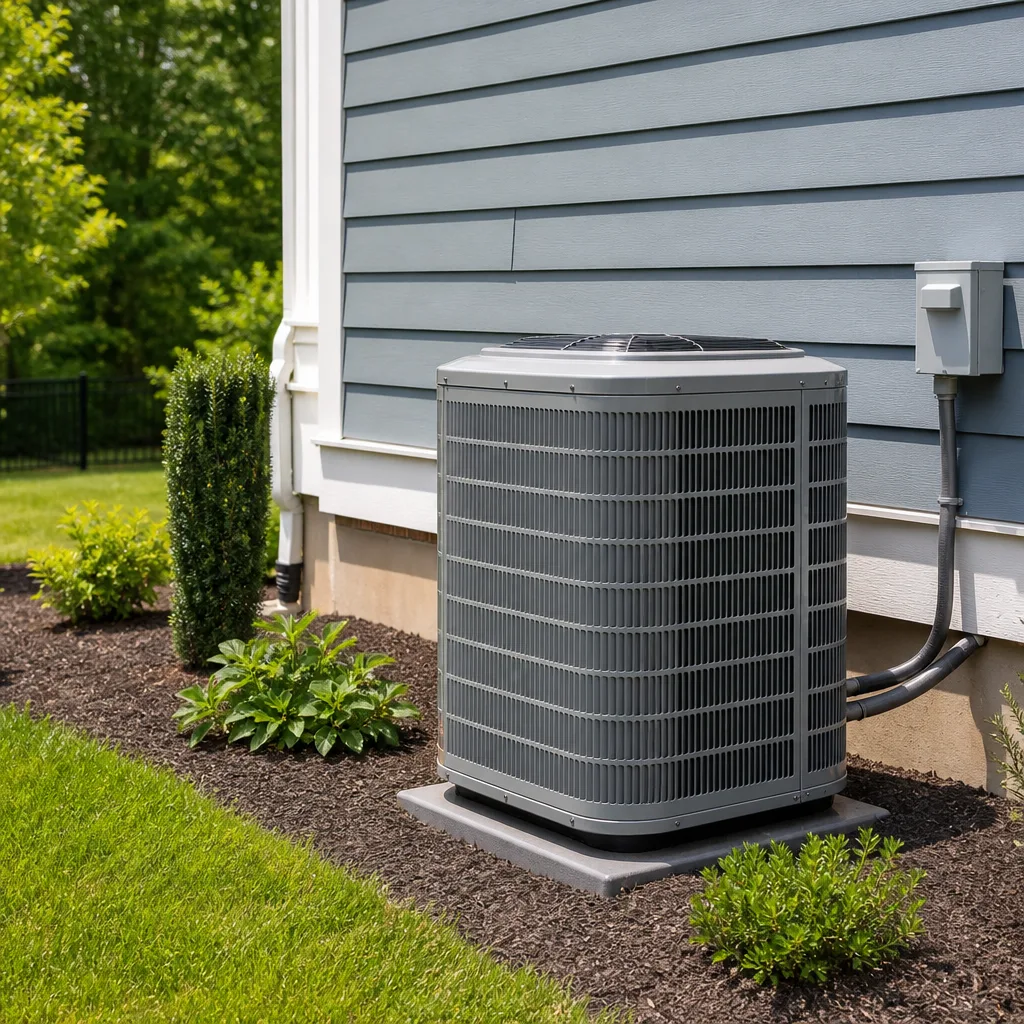 Carrier
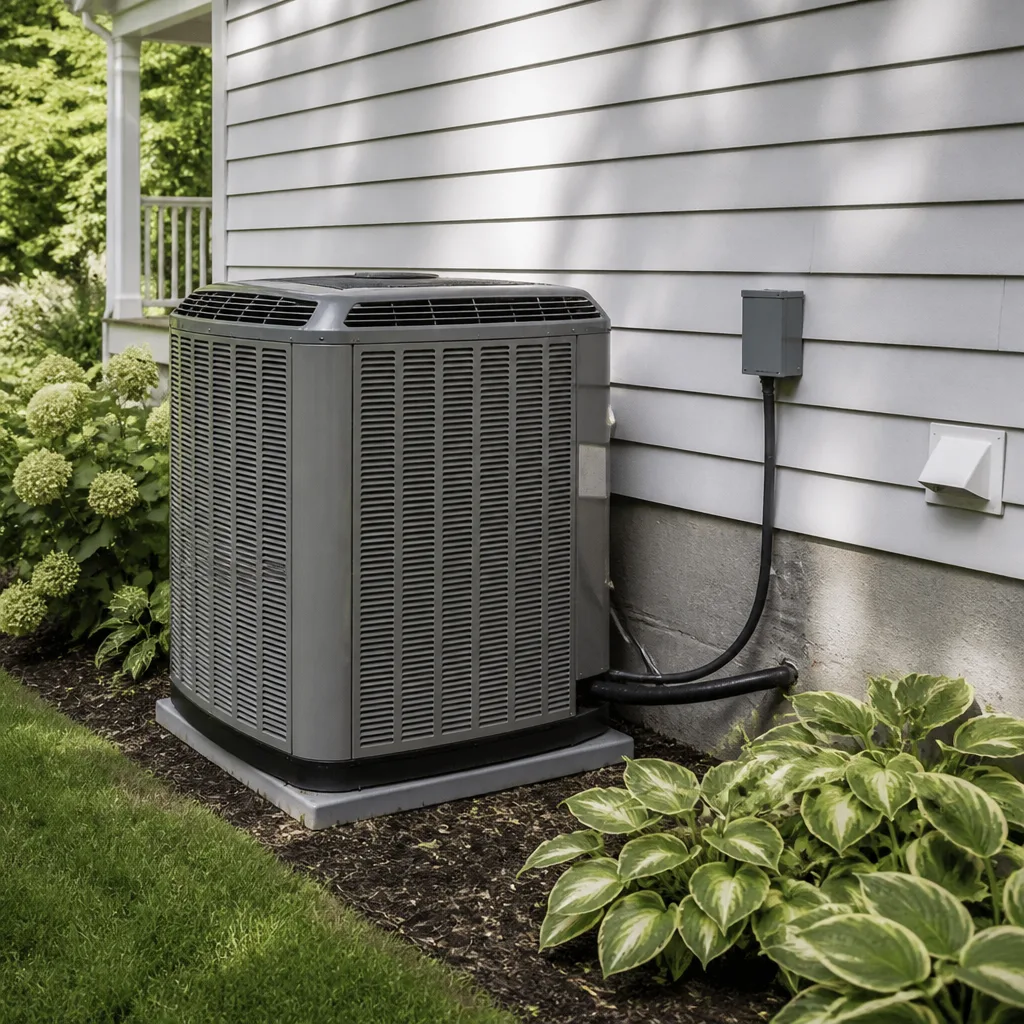 Trane
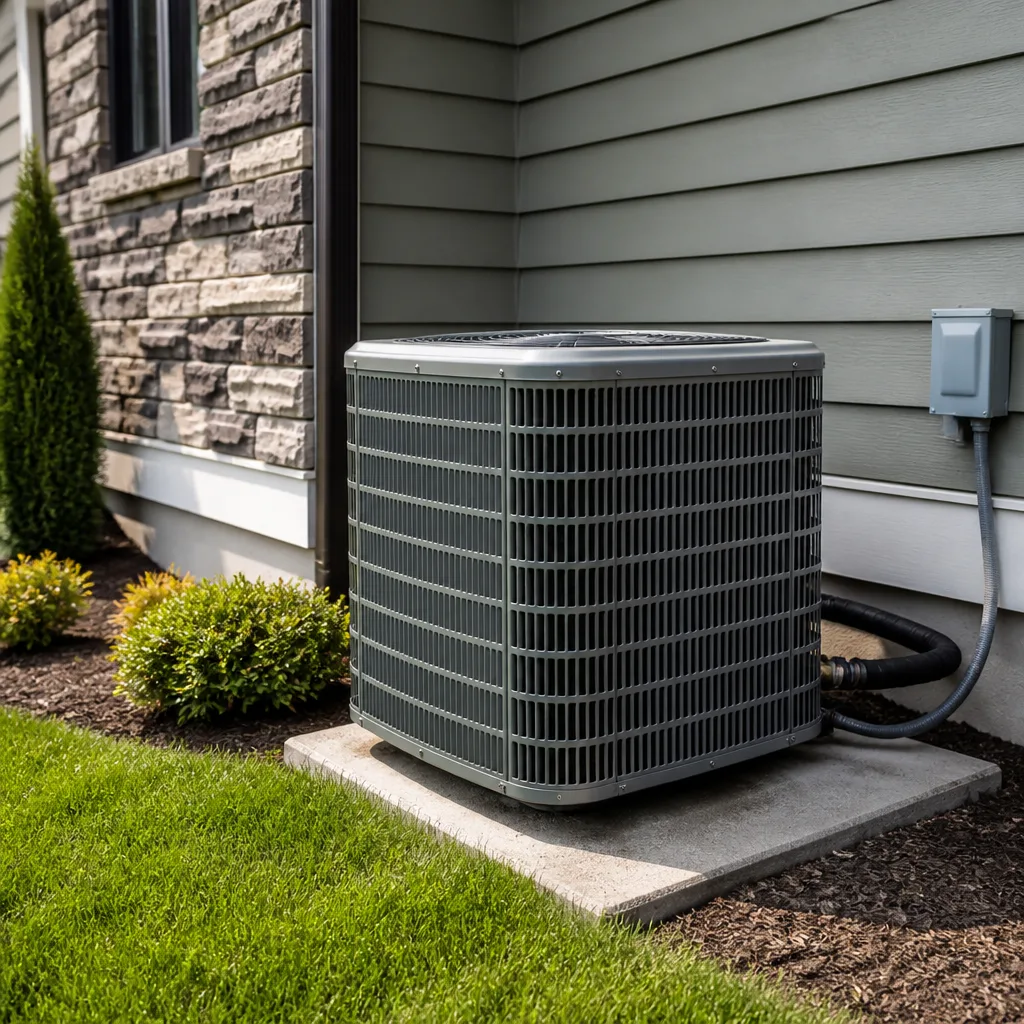 Goodman
Seasonal tune-up and full diagnostic on your Carrier, Trane, or Goodman system - readings shown to you before any repair is proposed
Diagnosis first, numbers second - you approve the repair price before a single part goes in.
Get your free estimateHVAC Emergency Preparedness Guide for Allen Homes
Most Allen homeowners plan for HVAC failure the way they plan for a flat tire: they don’t, and then they improvise. The numbers here work against that approach. Allen averages fewer than ten days a year below 32°F, so freeze prep feels like a waste of a weekend – right up until a system like the 2021 freeze event arrives and every contractor in North Texas is unreachable for 72 hours. Heat is the same story in reverse. The first sustained stretch of 100°F weather in summer is when aging condensers quit, when demand outruns every dispatcher in the region, and when the homeowner who called on a mild April morning gets served before the one calling at 4pm on the worst day of the year. This guide covers what you can control before those windows open: prep steps for each season, the pre-checks worth doing, and the information to have ready that shortens a dispatch.
Quick Answer
HVAC emergencies in Allen cluster into two predictable windows: the first sustained heat event of summer, when aging AC systems fail under load, and the first hard freeze of winter, when furnaces and heat sections are tested cold for the first time in months. The prep that matters most is a pre-season check of the specific failure points on your equipment, a documented record of your system’s model and symptoms, and an existing service relationship with a contractor who already knows your brand. Homeowners who have those three things in place get faster, calmer outcomes than those starting cold during a surge.
Styles & brands we work with
- AC repair
- Furnace & heating
- Heat pumps
- Ductless mini splits
- Carrier
- Trane
- Goodman
Table of Contents
- Why HVAC Emergencies in Allen Cluster Into Two Windows
- Preparing for the First 100°F Week
- Preparing for the First Hard Freeze
- Why an Existing Service Relationship Gets You Dispatched First
- Emergency Stopgaps: What Buys Safe Time and What Doesn’t
- The Pre-Checks With the Highest Payoff
- What to Have Ready Before You Call
- When to Call a Professional
Why HVAC Emergencies in Allen Cluster Into Two Windows
HVAC failure in Allen isn’t evenly distributed across the calendar. It bunches up at two points, and both are predictable. Understanding why is the first step toward sidestepping the crush.
The summer spike is a demand story. When Allen hits its first stretch of 100°F days, every air conditioner in the city runs at or near its maximum capacity, often for twelve to sixteen hours a day. A system that has been coasting through a mild spring suddenly can’t keep up. Weak capacitors, low refrigerant charge, clogged condensers, and aging compressors that were marginal in May fail outright under that load. The same week, every homeowner in North Texas with a failing system calls at once. Contractor availability collapses to near zero, and wait times stretch from hours to days.
The winter window is a test story. Across most of the year, Allen furnaces sit idle. When the first hard freeze arrives – and it can arrive fast in North Texas – furnaces, heat pumps, and their controls face their first real cold-weather workout since the previous winter. Ignitors that have quietly weakened, flame sensors that have corroded, and heat exchangers with developing cracks become problems overnight. The 2021 freeze event showed exactly what happens when a region that averages fewer than ten days below freezing gets a hard, sustained cold snap: the systems that weren’t checked fail, and the contractor backlog that follows can run for days.
Both windows are forecastable. You know when summer is coming. You know a hard freeze is possible in any North Texas winter. The prep work that prevents the emergency doesn’t require technical skill – it requires doing it in the mild weeks before the window opens, not during the scramble.
Preparing for the First 100°F Week in Allen
The first 100°F week of summer is the highest-risk period of the year for Allen air conditioners. The prep you do in April and May determines whether your system makes it through July with a $200 repair or a $1,800 replacement conversation. Here’s what to do, in order of payoff.
1. Change the air filter before the first hot week, not during it
A clogged filter is the single most common cause of a system that “suddenly can’t keep up.” Restricted airflow makes the blower work harder, drops the evaporator coil temperature, and can cause the coil to freeze. In our experience, a filter that looks “a little dirty” in April is fully loaded by June. Change it before the first hot stretch, and check it again in mid-summer.
2. Clear the outdoor condenser of everything
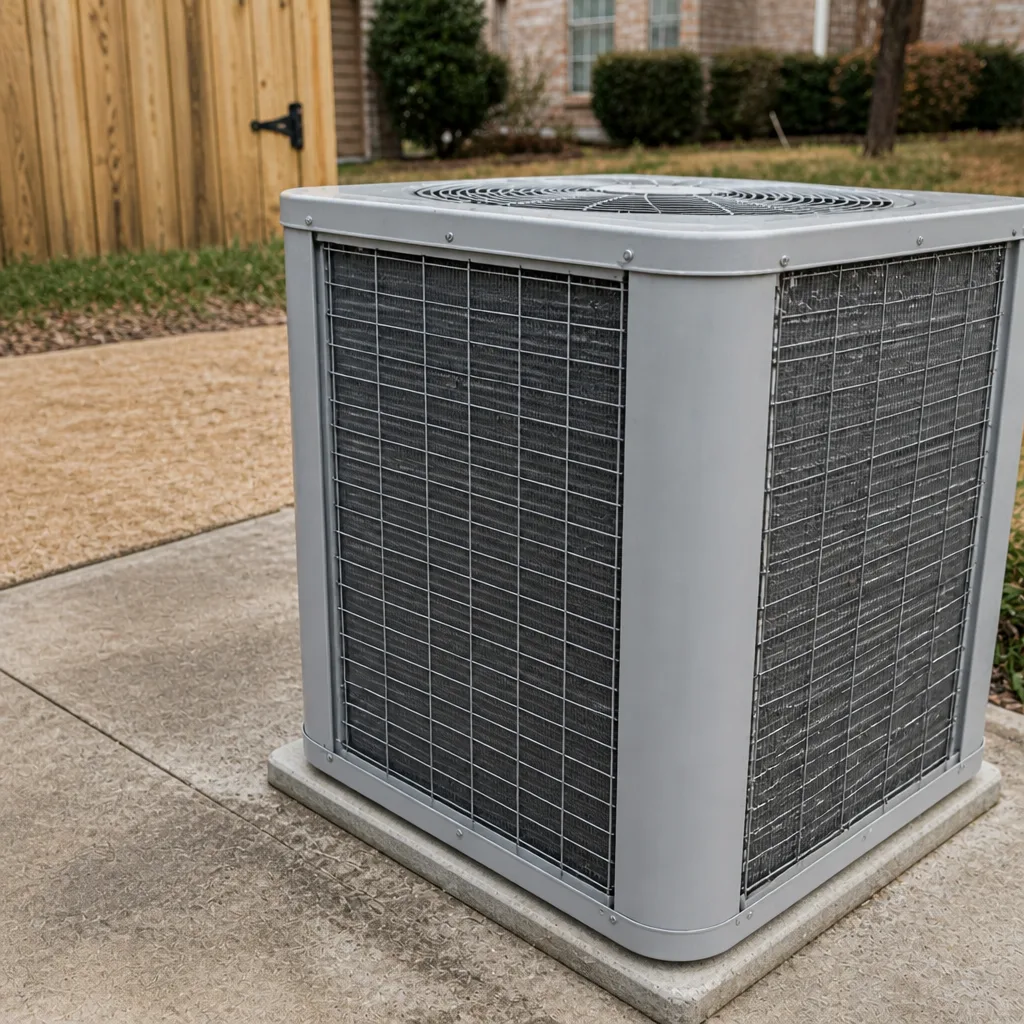
Allen yards hold leaves, grass clippings, and the occasional stray toy. The condenser needs two feet of clear space on all sides and a clean coil face to reject heat. A coil matted with cottonwood fluff or grass won’t reject heat at design conditions, and that’s exactly when the compressor works hardest. A gentle rinse with a garden hose from the top down, fan off, handles most of what accumulates. If the coil is packed with debris, that’s a technician job – DIY coil cleaning with a pressure washer damages fins quickly.
3. Watch the thermostat during the first hot week
If your system runs continuously and the indoor temperature climbs two or three degrees above setpoint on the hottest afternoons, you have a marginal system. It may limp through a mild summer. It won’t limp through a 100°F stretch without intervention. The first hot week is when that shows up – better to know it in May than in August.
4. Listen for the early warnings
Before a compressor fails, it usually complains. A system that short-cycles (on and off in short bursts), makes a hard clicking or buzzing at the outdoor unit, or trips the breaker on a hot day is signaling a developing problem. Catching those in June is a repair. Catching them in August is often a replacement.
5. Book the pre-season check in the mild weeks
A pre-season AC check in Allen is best scheduled in the spring, before the first heat event, when availability is wide open and a technician can take the time to catch marginal components. The parts that fail first under summer load – capacitors, contactors, refrigerant charge, condenser fan motors – are exactly what a good pre-season check tests.
Preparing for the First Hard Freeze in Allen
Allen rarely gets long, deep winters, which is exactly why the first hard freeze is the risky one. The systems that carry most homes through a mild North Texas winter are often the least prepared for a hard cold snap, and the homeowners most surprised are the ones who assumed it couldn’t happen here.
1. Run the furnace before the first freeze, not during it
Run your furnace through a full heating cycle in October or November, well before the first freeze. Light it, let it run ten or fifteen minutes, and listen. If it clicks but doesn’t light, if you smell gas, or if you smell a strange burned or metallic odor that doesn’t clear after a few minutes, stop and call. A furnace that fails on a 70°F day is a repair. The same furnace failing on a 20°F night is an emergency with every contractor in the region stretched thin.
2. Test the thermostat in both modes
Thermostats that sit in cooling mode for eight months can stick or fail to switch. Test heat mode before the season, and confirm the setpoint is being reached. A thermostat that won’t switch, or that calls for heat and gets nothing, is a problem to solve in October.
3. Know the difference between a furnace and a heat pump problem
Homes in Allen span a mix of gas furnaces and heat pumps. The symptoms look different. A heat pump in heating mode on a cold night runs longer stretches and may go into defrost cycles that produce visible steam outside. A gas furnace that produces smell or incomplete heat is a different problem entirely. Knowing which system you have – the model number, the fuel type – is part of preparation.
4. Never try to “warm up” a failing furnace with unsafe workarounds
Space heaters near combustibles, blocked vents to concentrate heat, oven doors left open, and any DIY gas-line work are the things that turn a cold night into a much worse situation. If the furnace won’t run safely, the answer is layers, blankets, and a call – not improvisation with a heating appliance.
5. Treat carbon monoxide seriously
A furnace that’s been off for months and then runs under load is a candidate for a cracked heat exchanger, and a heat exchanger with a crack can put carbon monoxide into the home’s air. Confirm that carbon monoxide alarms are working before the heating season starts. If a CO alarm goes off, get everyone outside and call for help – that’s not a “check it tomorrow” situation.
Why an Existing Service Relationship Gets You Dispatched First
During a surge, contractors triage. The homeowner whose equipment, address, and history are already in a system – with a known model number, a known past repair, and a name on file – gets served faster than the caller starting cold. That’s not favoritism; it’s how dispatch actually works when the board is full and calls are coming in faster than anyone can log them.
Establishing a service relationship before an emergency means three specific things:
- A service record. When we’ve serviced a Carrier or Trane system at an address before, we already know what brand-specific issues to expect on that equipment. A first-time call has to start from scratch, asking what model, what age, what past repairs.
- Verified access. Gate codes, gate hours, dog warnings, parking notes – the small details that add real minutes to a first-time dispatch. A relationship that already holds that information cuts time when it matters most.
- A baseline. Knowing what the system looked like healthy makes the emergency conversation faster. “This unit had a full refrigerant charge in April” is more useful than “I don’t know, I bought the house last year.”
The relationship doesn’t have to be built through emergency work. In fact, the best time to establish it is the opposite: a pre-season AC check in spring, or a furnace check in fall, when the schedule is calm and a technician can spend the time. The one call covers heating and cooling, and it means the first time we see your equipment isn’t the worst day of the year.
Our technicians have up to 11 years of experience and are prepared to work on nine major HVAC brands, which means the first call or the emergency call gets the same brand-matched preparation. When we show up, we already know what to expect from your specific equipment. That’s the difference between a generalist learning on your system and a specialist who has worked that model line before.
Emergency Stopgaps: What Buys Safe Time and What Doesn’t
When a system quits during a heat wave or a cold snap, the hours until help arrives matter. Some stopgaps genuinely buy safe time. Others make things worse or introduce real danger. Here’s the honest split.
When the AC fails during extreme heat
What helps: closing blinds and curtains on sun-facing windows to cut solar gain, running ceiling fans to keep air moving (fans cool people, not rooms – turn them off in empty rooms), relocating to the lowest floor of the home during the hottest hours, drinking water steadily, and using cool showers or damp cloths to bring core temperature down. If you have a neighbor, friend, or family member with working AC and a spare room, taking them up on it during a heat emergency is the safest call for anyone elderly, very young, or with a health condition.
What doesn’t help and can hurt: propping the fridge open to “cool the room,” leaving the oven or dishwasher running during the hottest hours, following online instructions to “top off” refrigerant, opening the electrical panel to check or reset breakers, or running a portable AC in a room without ventilation for the exhaust. High-tension electrical components and refrigerant handling are not homeowner territory.
When the furnace fails during freezing temperatures
What helps: closing off rooms not in use to concentrate what heat remains, layering clothing and blankets, and keeping pipes on exterior walls in mind. In a hard freeze, a failed heating system plus an unheated house is a real risk to plumbing, so the urgency is both comfort and protecting the home.
What doesn’t help and can hurt: any attempt to repair a gas furnace yourself, space heaters placed near curtains or furniture, blocked vents, running the oven as a heat source, and any “reset” that involves bypassing a safety switch. A gas furnace that won’t light safely is a job for a trained technician, full stop.
If a system fails outside the usual dispatch window, call anyway. We answer 24/7. A call outside dispatch hours is booked into the next opening, Sunday through Friday, 7am to 7pm.
The Pre-Checks With the Highest Payoff
Not every pre-season check is equally valuable. Some catch imminent failures. Others mostly inspect things that rarely fail. Here are the checks that, in our experience, catch the problems most likely to become an emergency in Allen’s two risk windows.
- Capacitors and contactors (AC). These are the cheapest parts in the system and the most common cause of a “dead” air conditioner on a 100°F day. A trained technician can test them in minutes. Catching a weak capacitor in April is a small repair; catching it in August is a compressor that started hard for weeks before it quit.
- Refrigerant charge and coil condition (AC). A system that’s undercharged works harder all summer and eventually fails under load. Checking charge and inspecting both coils catches the problem before it becomes a failure.
- Ignitor and flame sensor (gas furnace). These are the two most common furnace no-heat causes. Both are testable before the season, and both are inexpensive to replace proactively.
- Heat exchanger inspection (gas furnace). Cracks develop slowly and become a carbon monoxide risk when they do. This is the check that matters most for safety and is the one most homeowners skip because the furnace “seems fine.”
- Condensate drain and safety switch (AC and high-efficiency furnace). A clogged drain line causes water damage or a shutdown. The safety switch that protects against overflow is easy to test and cheap to replace.
- Thermostat function and setpoint accuracy (both seasons). A thermostat that reads two degrees off is a system that runs too long or doesn’t run enough. Simple to test, and it prevents the “my system is running but it’s not keeping up” call.
These checks are what a good pre-season tune-up actually consists of. The flat-price diagnostic catches the marginal components in spring and fall, when there’s time to schedule the fix before the risk window opens.
What to Have Ready Before You Call
The single factor that most shortens a dispatch time is how prepared the caller is. Every minute a dispatcher spends asking “what model is your system” and “when did the problem start” is a minute before a technician is en route. Have this ready before you call, and you shave that time off the front end.
System information ready to give
- Brand and model number. Check the data plate on the outdoor unit and the indoor air handler or furnace. Brand matters: a technician preparing for a Carrier call or an American Standard call brings different diagnostic knowledge and often different parts than for a Bryrant or Daikin system. Knowing this in advance puts the right technician on the right job sooner.
- System age. Approximate is fine – the year it was installed if you know it, or the approximate age from a home inspection. Age guides whether a repair or replacement is the likely answer, which affects how the technician prepares for the call.
- Fuel type. Gas furnace vs. heat pump. This determines what to expect on a no-heat call.
- Past repairs. If the system has already had a compressor, blower motor, or control board replaced, that history matters. If a technician has worked on this system before, the notes are gold.
Symptom timeline ready to describe
- When the problem started. “Three days ago, after the first hot week” vs. “the power went out yesterday and it hasn’t come back” – very different calls.
- What’s happening. Not cooling, not heating, short-cycling, strange noise, strange smell, water around the indoor unit, tripped breaker. Plain description is better than technical guesses.
- What’s changed. Filter change, thermostat adjustment, breaker reset, power outage, recent work – all relevant.
- Anything tried. Tell the dispatcher if you’ve already reset the breaker or thermostat. It affects the starting point.
Access details ready to share
- Property access. Gate code, gate hours, restricted entry, and where the outdoor unit sits relative to the gate.
- The outdoor unit location. Front yard, side yard, back of the house, on the roof. This affects what equipment the technician brings.
- Pets. A dog in the yard changes how a technician approaches the property. Tell the dispatcher.
- Contact preference. The number that’s best reached when a technician is on the way.
All of that can be in one conversation. A homeowner who reads both model plates and knows when the problem started before they dial is prepared. A homeowner who calls unsure of the brand and unsure of the timeline is asking the dispatcher to work backward from zero. The first gets a faster, more accurate dispatch, and the technician arrives knowing more about the specific problem.
Common Mistakes to Avoid
- Waiting until the system fails to find a contractor. The first 100°F week and the first hard freeze are the two worst times in Allen to start from zero. Build the relationship during a calm season.
- Skipping the furnace check because “Allen doesn’t get that cold.” Allen averages fewer than ten days below freezing, and the 2021 freeze event showed exactly why the assumption is dangerous. A furnace that’s been unmaintained for a winter can fail on the one cold night that matters.
- Changing the filter during the hot spell instead of before it. A clogged filter at the start of summer makes the system work harder through the first hot week. Change it in spring, not in crisis.
- Bypassing the safety switch on a condensate drain because it keeps shutting the system off. The switch is protecting you from water damage. Bypassing it converts a minor problem into a repair bill.
- Running a space heater or oven as a heat source during a furnace failure without clearing the area of combustibles. In an Allen winter freeze, this is one of the most common causes of house fires. If the house is cold, call; don’t improvise with heating appliances.
- Calling for emergency service without knowing the brand or model. The dispatcher will spend the first several minutes asking questions instead of sending a technician. Have the data plate information ready before you dial.
- Assuming the same contractor who installed the system is the only one who can service it. Multi-brand technicians work on nine major brands, including Carrier, Trane, Lennox, Goodman, Rheem, York, Daikin, Bryant, and American Standard. You’re not locked in.
See the difference
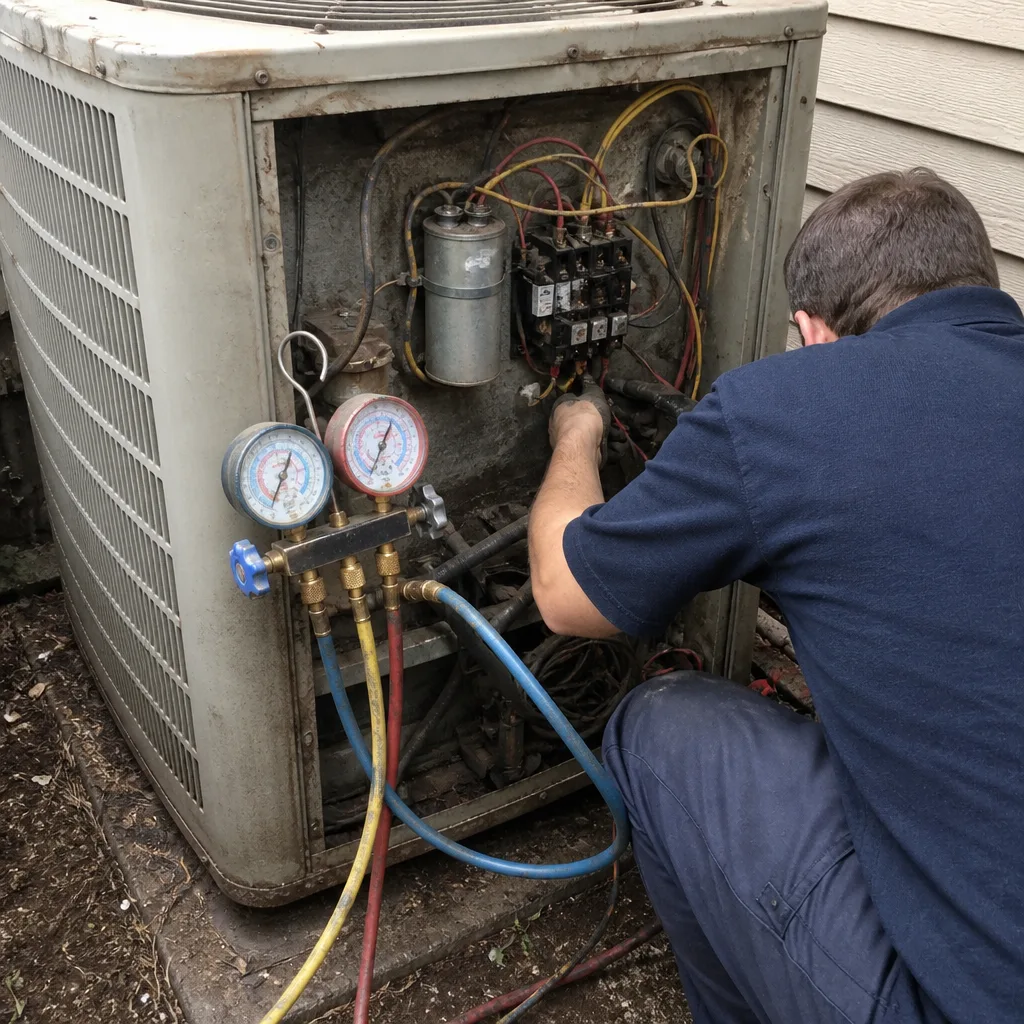 Before
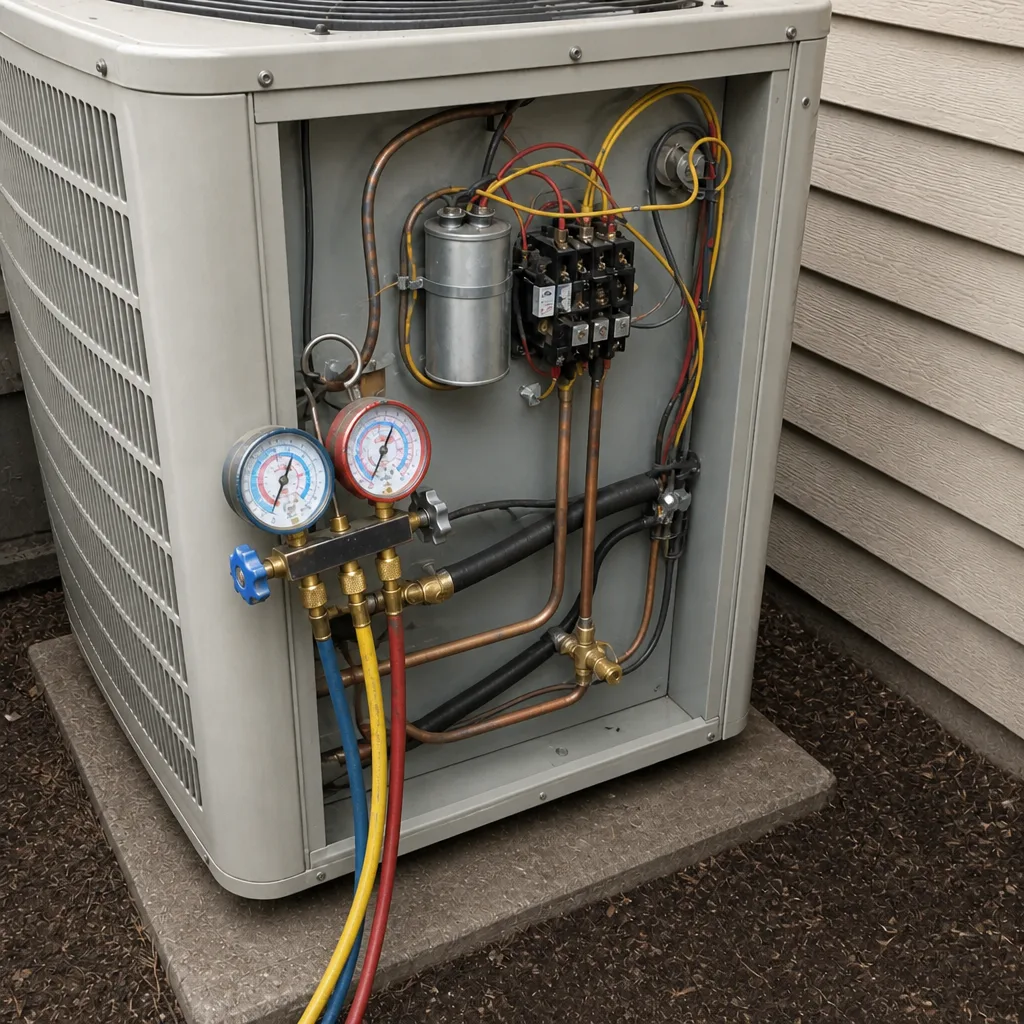 After
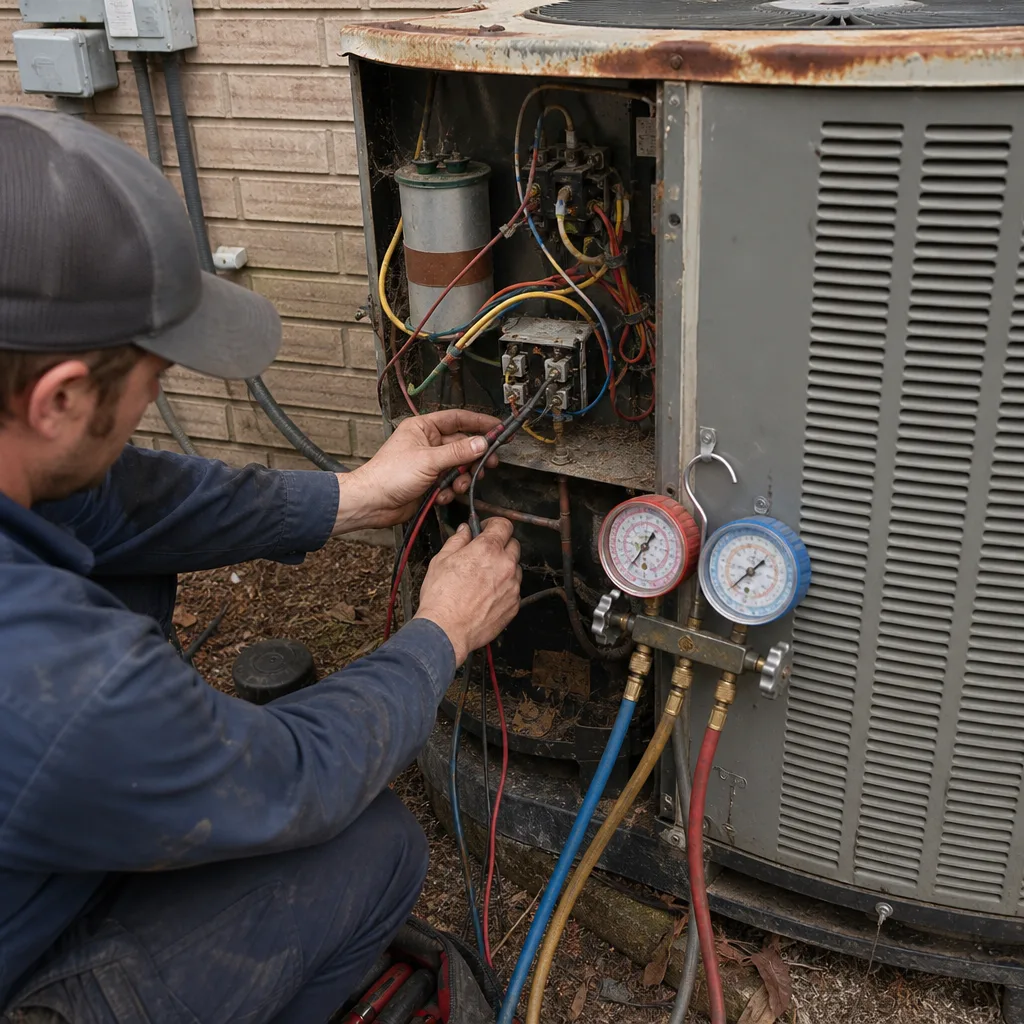 Before
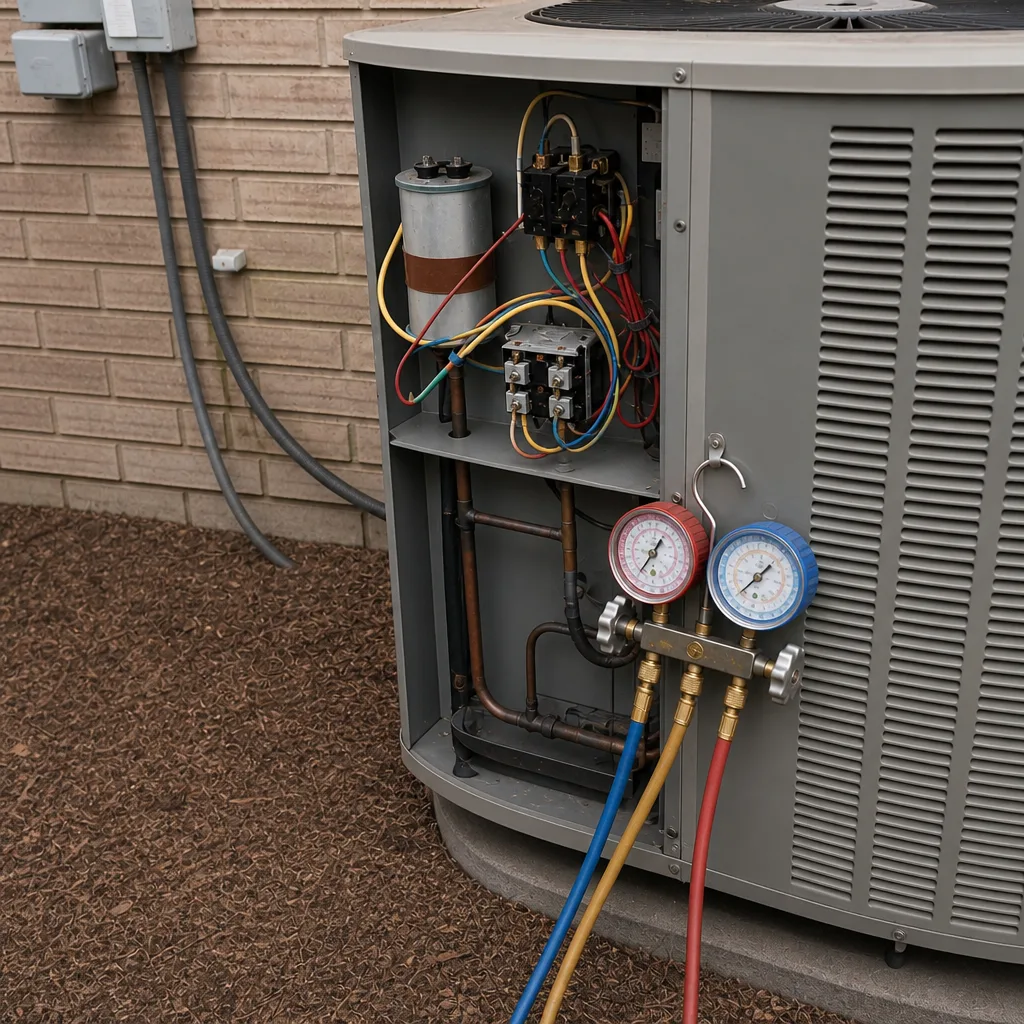 After
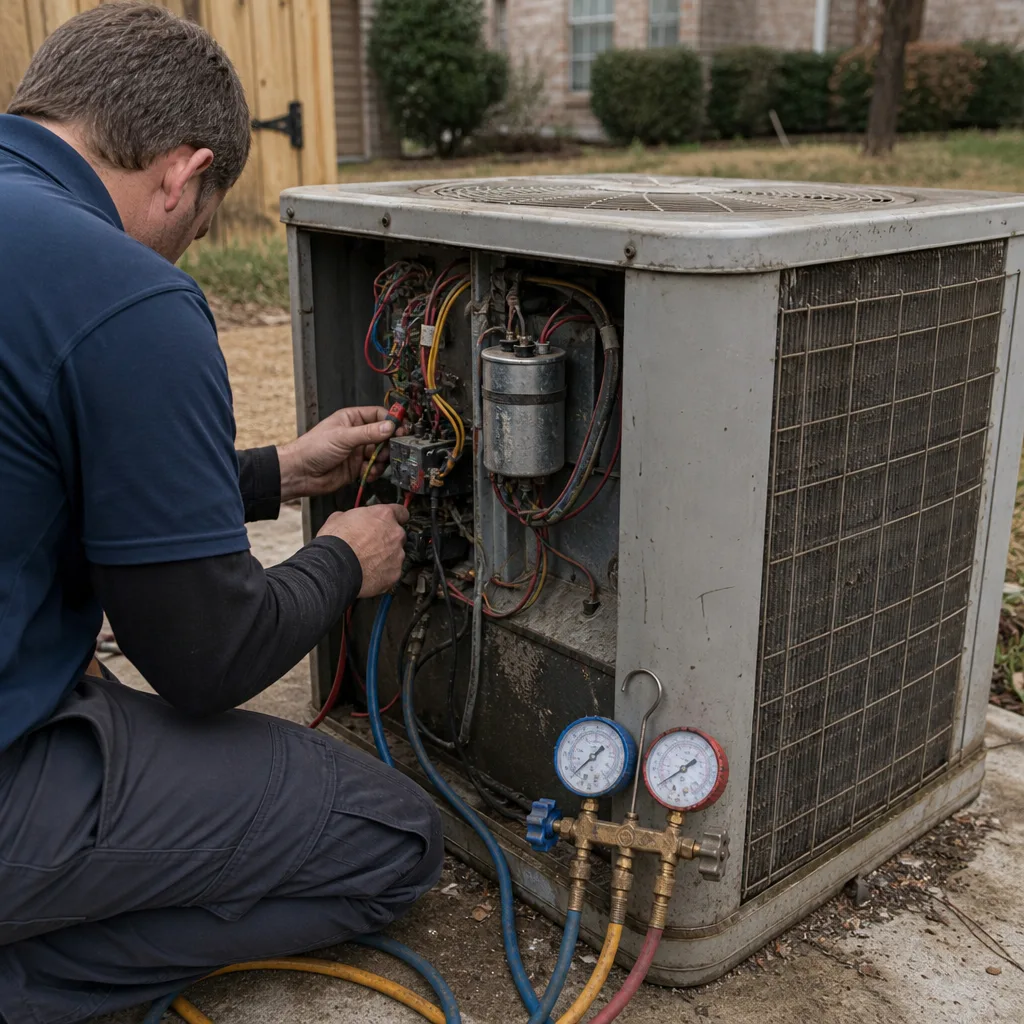 Before
 After
When to Call a Professional
Some problems are a “call and schedule” item. Some are a “call now” item. In Allen, the difference often comes down to season and how the symptom behaves under load. Call now if you smell gas, if the carbon monoxide alarm goes off, if the system trips the breaker repeatedly, if there’s standing water around the indoor unit, or if the system stopped during a hard freeze or a 100°F week and the home’s temperature is drifting into unsafe territory. Those aren’t do-it-yourself situations. Highpoint AC Repair covers AC installation, furnace replacement, and furnace repair in Allen, and the same company handles both heating and cooling so you’re not handing off between contractors. Estimates are free, we answer 24/7, and fast dispatch from 7am to 7pm reaches Allen homes. Call (855) 752-3431 to book a pre-season check or an emergency call.
Frequently Asked Questions
It’s an emergency when the home’s temperature is drifting toward an unsafe range, when there’s a gas smell or a carbon monoxide alarm, when water is actively leaking from the system, or when the breaker trips repeatedly. Outside of those, most “my system isn’t working” calls belong on the regular dispatch schedule. If you’re unsure, call (855) 752-3431 – we answer 24/7 and can help you decide.
The most common emergency in Allen is an AC failure during the first sustained heat event of summer, usually caused by an aging capacitor, low refrigerant charge, or a clogged condenser coil finally failing under load. The second is a furnace no-heat call during the first hard freeze of winter. Both peak in the same week across the city, which is why contractor availability collapses. Call (855) 752-3431 to book pre-season prep before the risk window opens.
Yes. The highest-payoff home prep is a pre-season check in spring and fall, changing the air filter before the first hot week, clearing the outdoor condenser, running the furnace through a full heating cycle before the first freeze, and testing carbon monoxide alarms. None of these involve DIY repair – they’re checks and simple maintenance. For the actual diagnostic work, call (855) 752-3431 and we’ll schedule a pre-season check.
Response time during a heat wave depends on demand, which is exactly why we recommend building a service relationship before the season. A known system at a known address usually dispatches faster than a first-time call from a caller without model information. We answer 24/7. Fast dispatch from 7am to 7pm, Sunday through Friday. Call (855) 752-3431 to get in the system now.
Have the system brand, model number from the outdoor unit and indoor air handler, approximate age, fuel type, a clear symptom timeline, and access details including gate codes and pet information. That single conversation shortens the dispatch. Dispatchers spend less time asking questions and more time getting the right technician on the road. Call (855) 752-3431 with that information ready and we’ll get you scheduled.
We work on nine major HVAC brands: Carrier, Trane, Lennox, Goodman, Rheem, York, Daikin, Bryant, and American Standard. Because we cover multiple brands, our technicians bring cross-brand diagnostic knowledge to the call – they already know what to expect from your specific equipment. For AC installation, furnace replacement, or furnace repair in Allen, call (855) 752-3431. Estimates are free.
The Bottom Line
HVAC emergencies in Allen aren’t random. They follow two predictable windows – the first 100°F week of summer and the first hard freeze of winter – and both are forecastable. The prep that matters is the pre-season check in spring and fall, the filter change and condenser clearing before the first heat event, the full heating cycle test before the first freeze, and a service relationship established during a calm season rather than a crisis. Document your system’s brand, model, and symptoms before you need them. Know when a failure is a do-it-yourself check and when it’s a trained technician call. If you’re reading this in the calm season, you have the leverage. If you’re reading it mid-emergency, call. We answer 24/7, fast dispatch from 7am to 7pm, Sunday through Friday, and free estimates. The Highpoint standard applies to pre-season checks and emergency calls alike.
Call (855) 752-3431 for a free estimate, and visit Highpoint AC Repair or learn more about our Allen service, AC installation, and furnace repair capabilities. If you’re ready to stop being a first-time caller, we’re ready to be the contractor who already knows your system.
Written by the team at Highpoint AC Repair.