
Last updated November 16, 2026
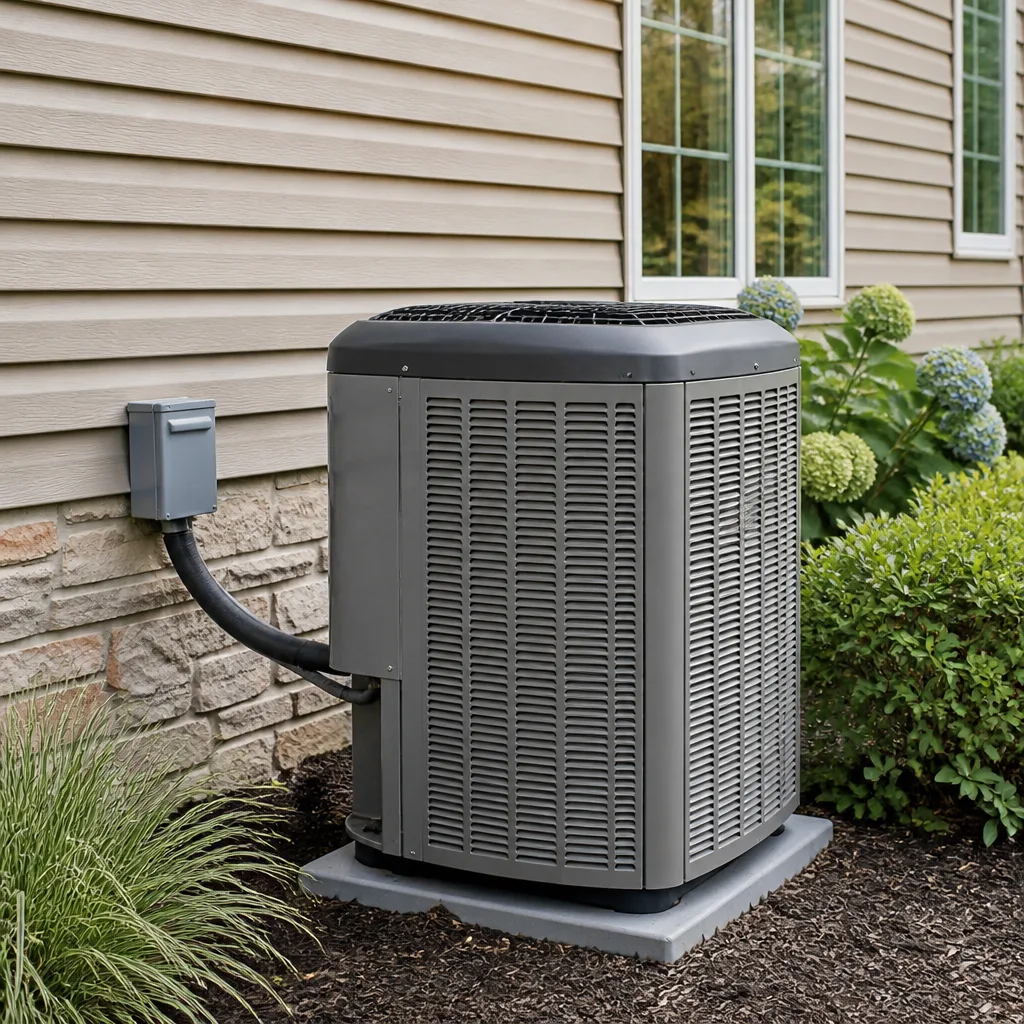 AC repair
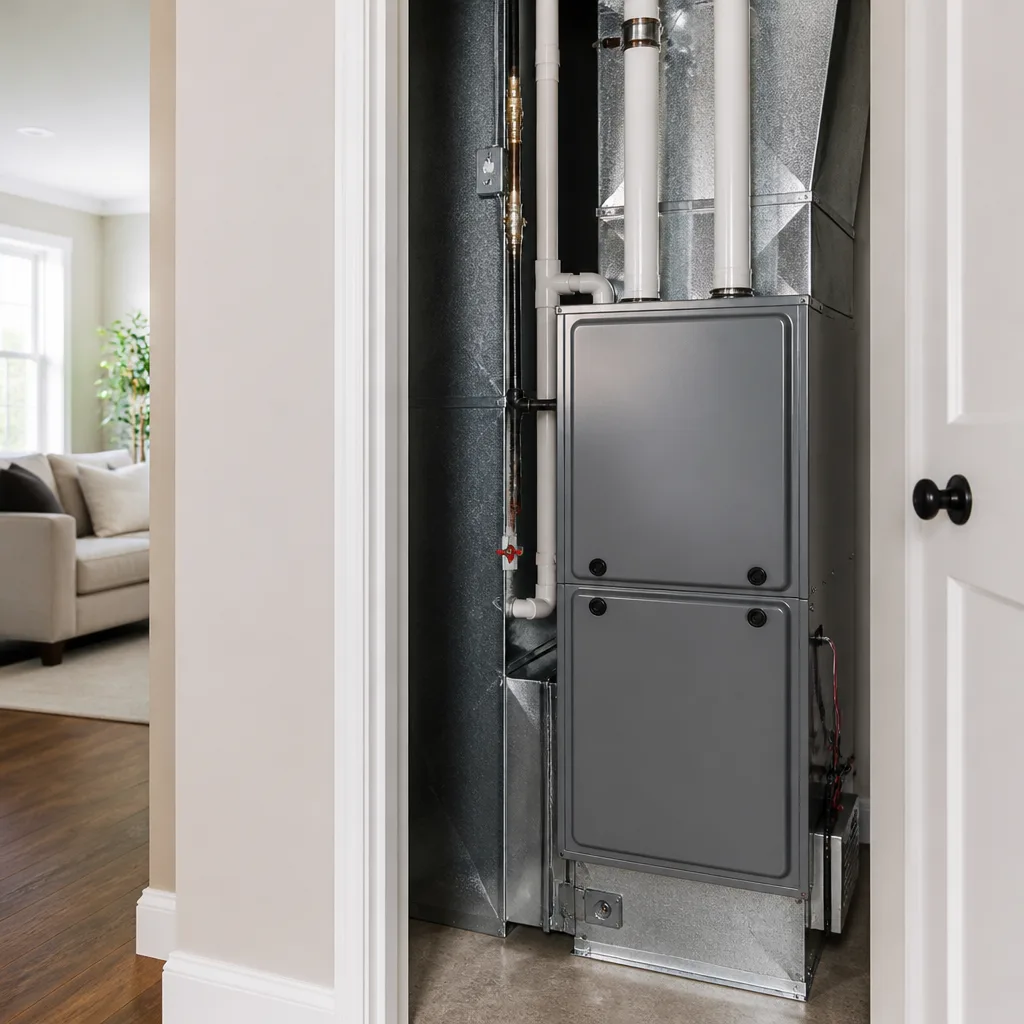 Furnace & heating
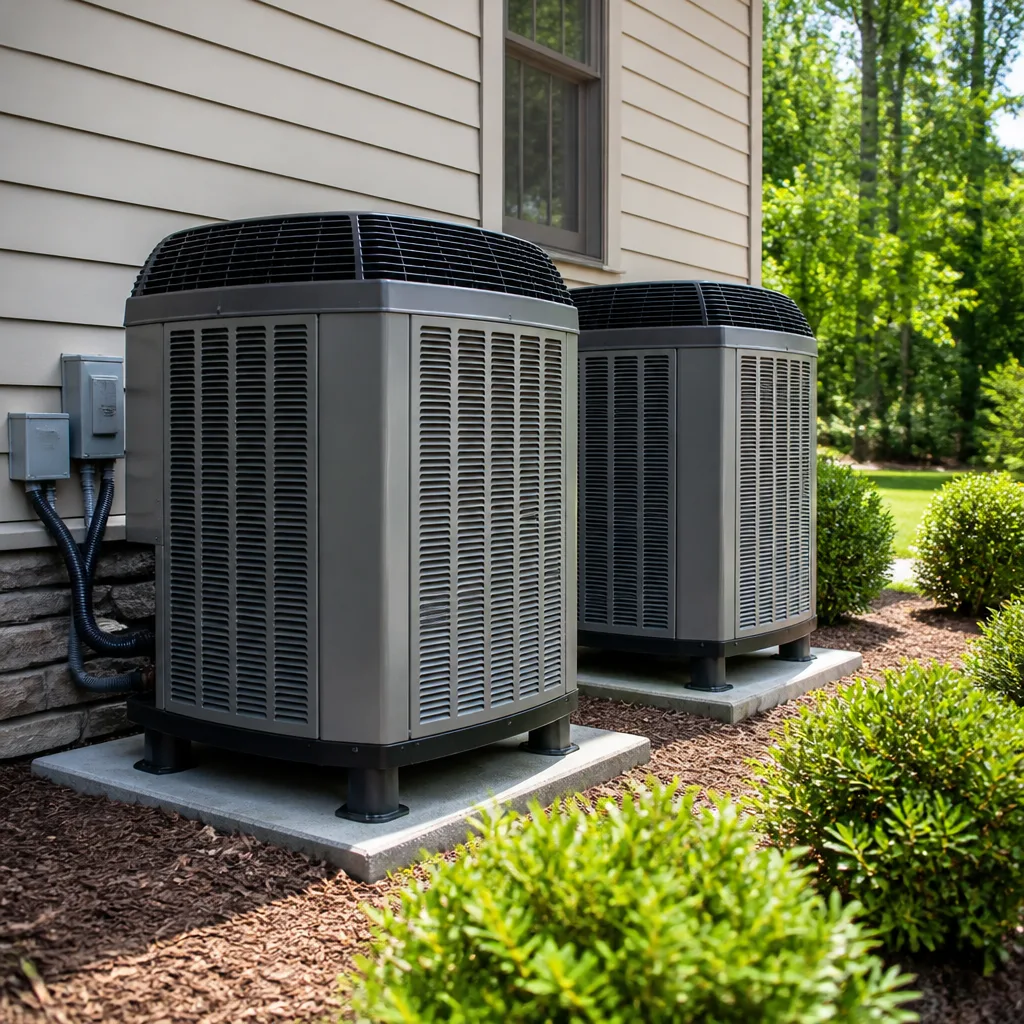 Heat pumps
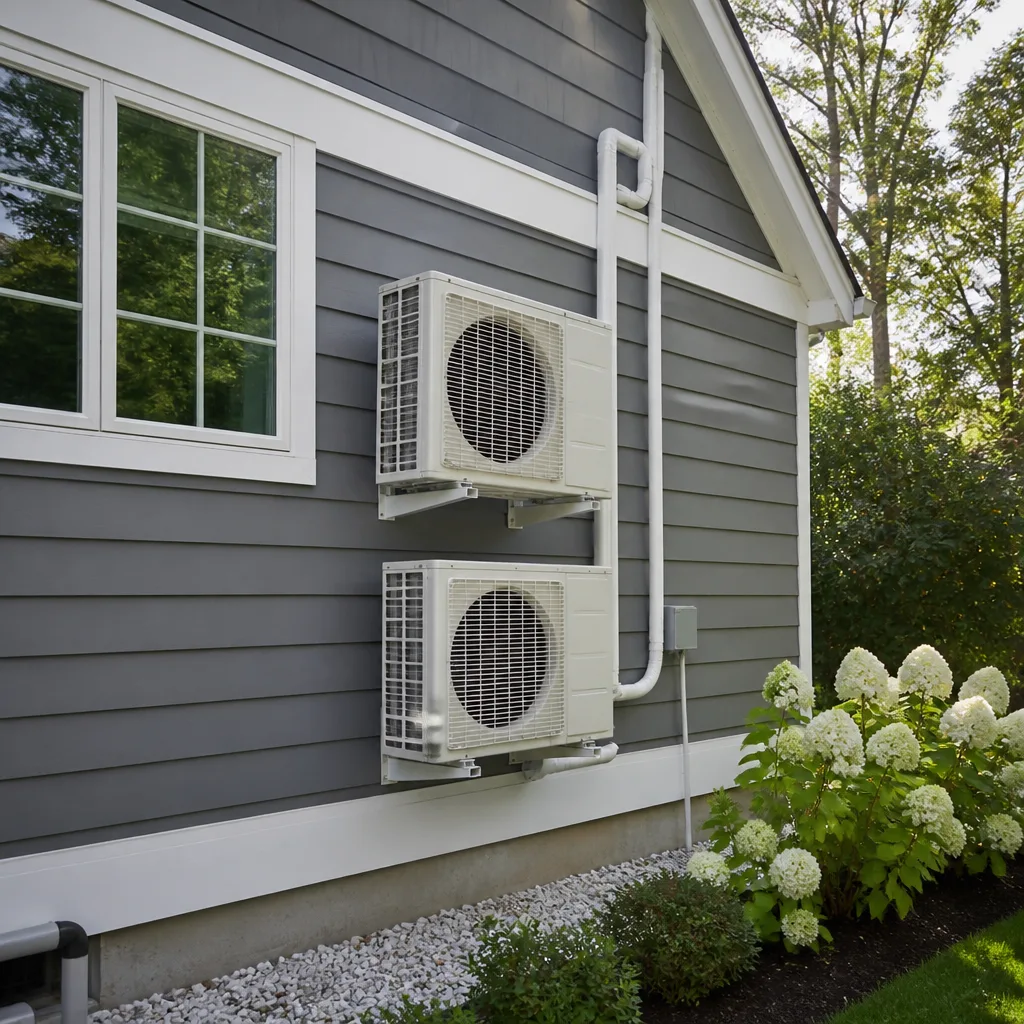 Ductless mini splits
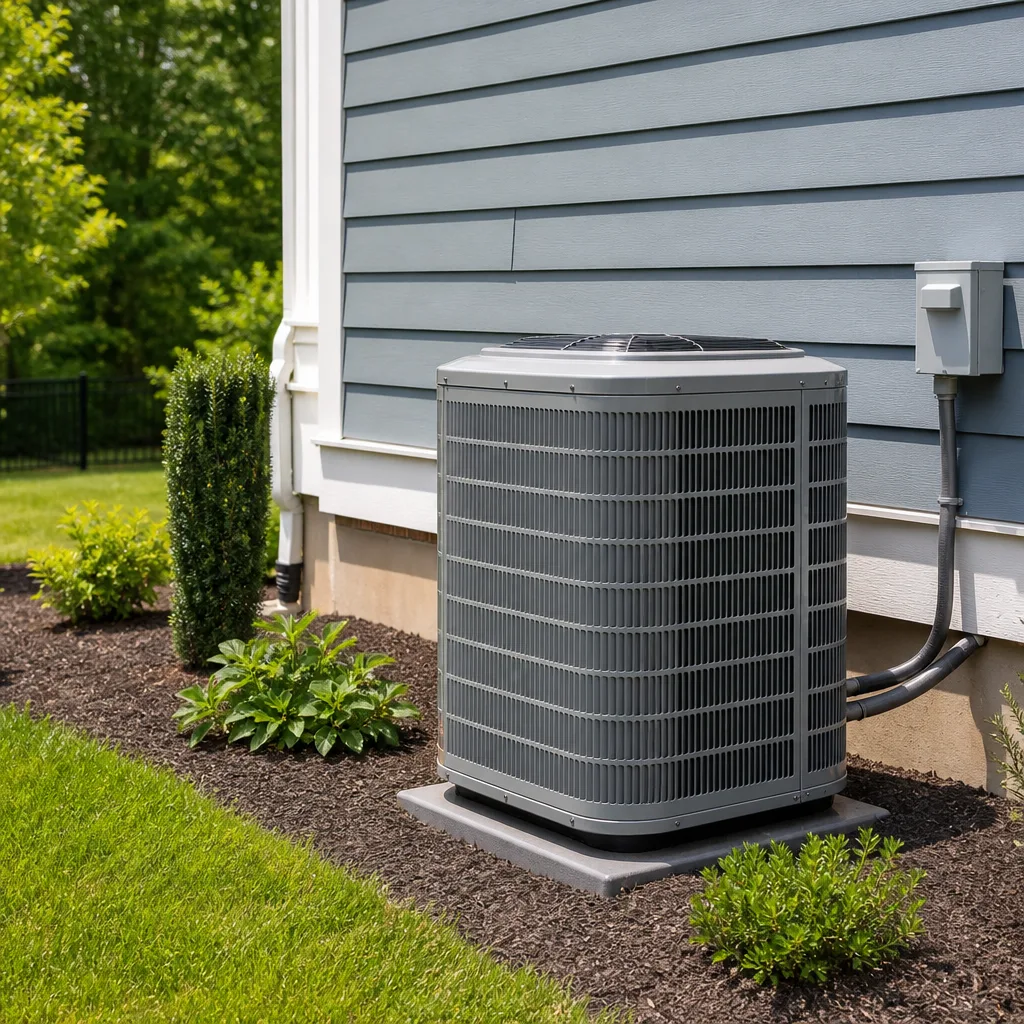 Carrier
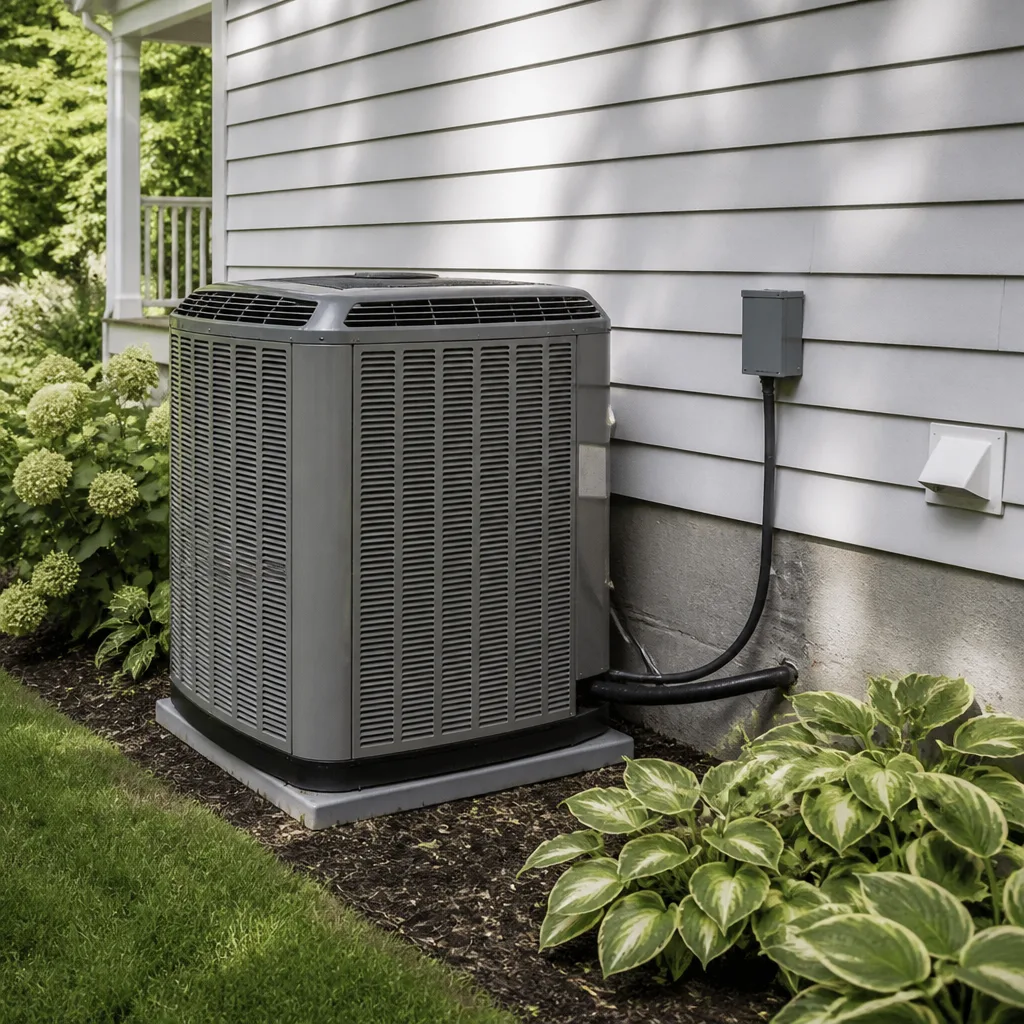 Trane
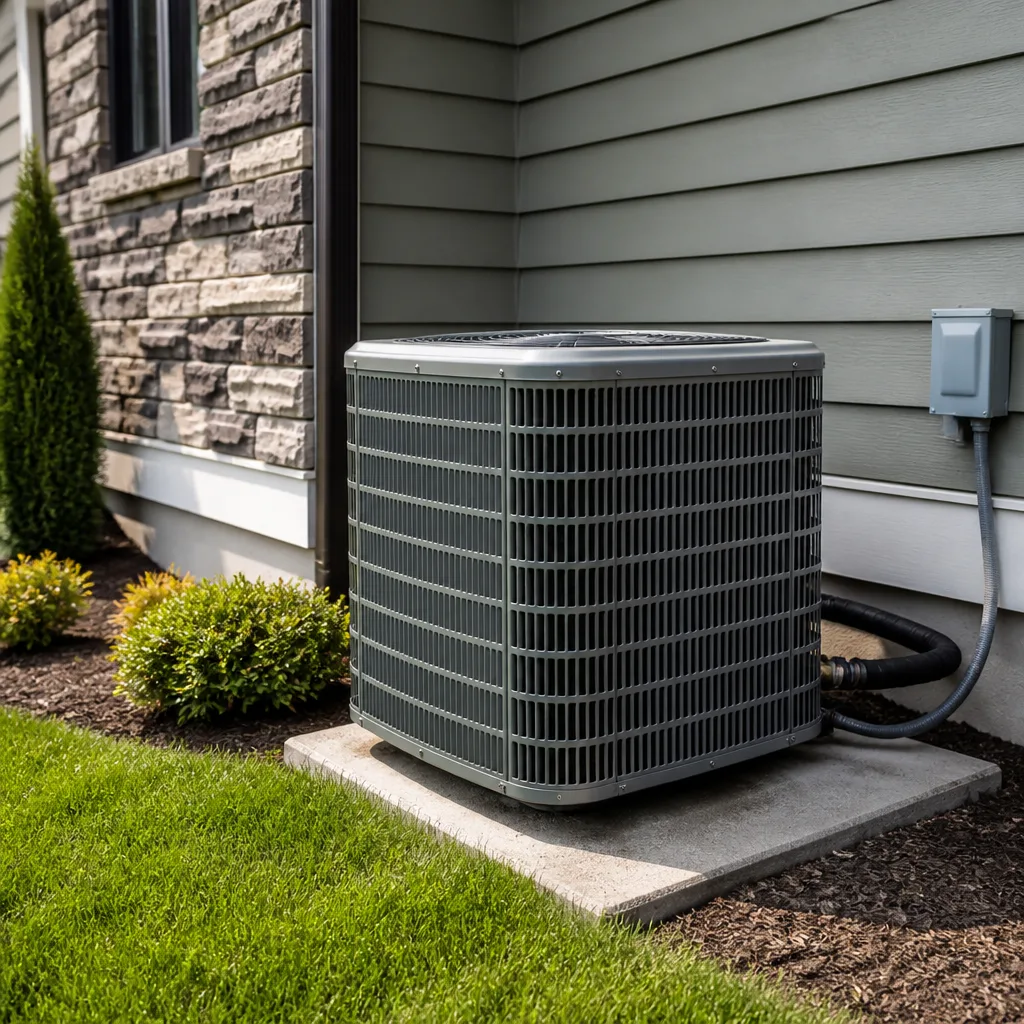 Goodman
Seasonal tune-up and full diagnostic on your Carrier, Trane, or Goodman system - readings shown to you before any repair is proposed
Diagnosis first, numbers second - you approve the repair price before a single part goes in.
Get your free estimateSeasonal HVAC Care for Allen: Year-Round Homeowner’s Guide
Most homeowners here think about their HVAC system in four equal seasons, and that assumption costs them. Allen doesn’t run on a balanced calendar. It runs on a long cooling marathon that starts in April and doesn’t fully let go until October, followed by a short, sharp heating sprint when the first real cold front pushes through. The two shoulder windows in between, late February into March and again in October, are the only practical stretches for proactive maintenance. Most people spend those weeks on everything except the equipment that carries them through the rest of the year. This guide walks through a month-by-month plan built around how Allen actually heats and cools, not a generic quarterly template.
Quick Answer
Seasonal HVAC care in Allen means front-loading your maintenance into two narrow shoulder windows: late February through April for the cooling system, and October for the furnace. Filters should be changed on runtime hours, not calendar months, which in Allen means roughly every 60 to 90 days during the May-to-September cooling season and longer in the mild winter. Coil cleaning, refrigerant checks, and a post-storm inspection after the summer storm season round out the year.
Styles & brands we work with
- AC repair
- Furnace & heating
- Heat pumps
- Ductless mini splits
- Carrier
- Trane
- Goodman
Table of Contents
- Why Allen’s Climate Isn’t Four Equal Seasons
- The Spring Shoulder Window: Why March and April Matter Most
- A Month-by-Month HVAC Calendar for Allen
- Fall Furnace Prep: What “Ready to Run” Really Means
- How Allen’s Summer Storm Season Changes Your Maintenance
- Filter, Refrigerant, and Coil Intervals Calibrated to Allen Runtime
- Why Brand Familiarity Matters for Allen Homes
Why Allen’s Climate Isn’t Four Equal Seasons
If you moved to Allen from a place with distinct four-season weather, your maintenance habits probably came with you. They need adjustment. Collin County’s climate leans hard toward cooling. A typical year here means the air conditioner runs from late April into early October, and often deeper into the year on the warm fringes. The furnace, by contrast, may run for six to ten weeks total, mostly in short bursts during the coldest stretches of January and February.
That imbalance has a real effect on wear. A system that logs thousands of cooling hours every year but only a few hundred heating hours ages asymmetrically. The cooling side carries almost all the runtime and almost all the maintenance burden. The heating side sits idle for months, which brings its own problems (more on that in the furnace section).
What does that mean for planning? A few concrete adjustments:
- Weight your budget toward cooling. The cooling system is the workhorse. Most years, it deserves more attention, more frequent filter changes, and a proper spring inspection.
- Treat the furnace as a dormant asset. It needs a fall check not because it works hard, but because it sat unused and needs to prove it will fire safely when called.
- Watch the shoulder weeks. The windows in late February through April and in October are when scheduled maintenance doesn’t compete with emergency calls.
If you want the local context in more depth, our Allen service page covers how we approach equipment in this part of Collin County.
The Spring Shoulder Window: Why March and April Matter Most
Late February into April is the highest-leverage maintenance window on the Allen calendar. During those weeks the cooling system is mostly idle, temperatures are comfortable enough to run the system through a full test cycle, and technicians are not buried in no-cooling emergencies. That gap between “not needed yet” and “needed every day” is where a good tune-up pays for itself.
Here’s what a proper spring cooling tune-up should actually cover, in order:
- Filter change and airflow check. Start with airflow. A restricted return can stress the blower and freeze the coil before cooling season even starts.
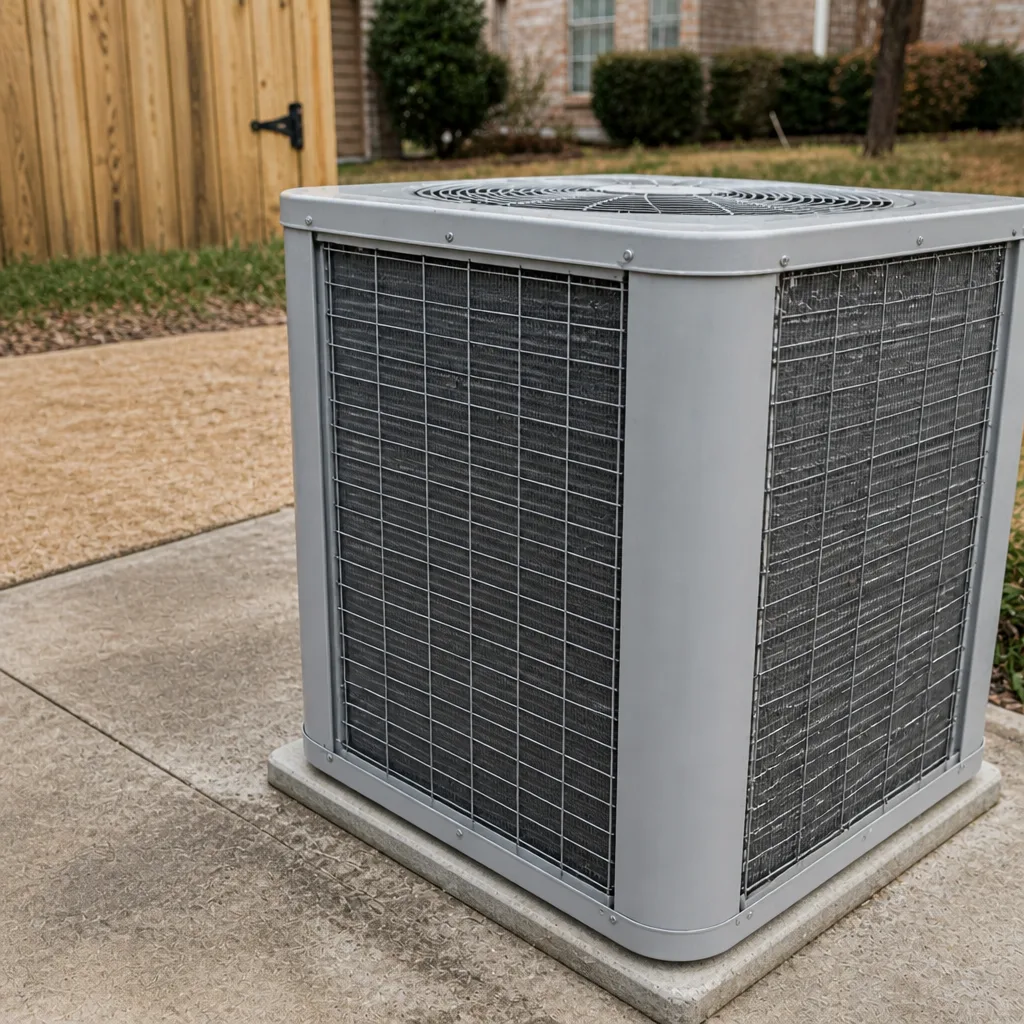
- Condenser coil cleaning. By spring, the outdoor coil has collected a full year of pollen, dust, and cottonwood debris. A dirty coil raises head pressure and shortens compressor life.
- Capacitor test. Capacitors are consumable parts. Testing them in spring catches the weak ones before they fail on an August afternoon.
- Refrigerant charge verification. A slightly low charge in spring often signals a small leak. Find it in March, not in July.
- Drain line flush. The condensate drain carries a lot of water through an Allen summer. A blocked drain becomes a water-damage problem in the attic or closet.
- Full cycle test. Run the system through a full cooling cycle and confirm the temperature split and static pressure are where they should be.
The payoff of doing this in March or April rather than June is simple: you find problems while they’re small, and you schedule a fix on your timeline instead of the system’s.
A Month-by-Month HVAC Calendar for Allen
This calendar is built around Allen’s actual runtime patterns, not the four seasons on a greeting card. Use it as a planning tool and adjust for your specific system age.
January and February
- Change the filter (a mildly warm winter still means intermittent furnace and A/C cycling).
- Watch for the first real cold snap. Furnaces that ran fine in December sometimes fail in February. Test the heat before you need it.
March and April (shoulder window one)
- Full cooling tune-up as outlined above.
- Outdoor unit cabinet cleaning and debris clearing from around the base.
- If the system is aging, use this window to get a replacement quote while install crews aren’t slammed. Our AC installation page explains what that process involves.
May and June
- Filter change (cooling season has begun in earnest).
- First post-storm check if a strong system moves through.
July and August
- Filter change (peak cooling, filters load fastest).
- Keep the condenser coil clear of leaves and debris. Watch the drain line for backed-up water.
September
- Filter change.
- Post-storm coil inspection if summer storms have been active.
October (shoulder window two)
- Furnace pre-season check (see the next section).
- Final cooling season filter change.
November and December
- Filter change.
- Listen for new noises from the furnace on early startup. Odd sounds in November are cheap to diagnose; odd sounds in January are expensive.
Fall Furnace Prep: What “Ready to Run” Really Means
An Allen furnace is a system that sits idle most of the year. That dormancy is exactly why fall prep matters. A furnace that hasn’t fired since last winter can develop problems that only show up when you ask it to run: a cracked heat exchanger, a dirty flame sensor, blocked flue termination, a blower that seized. A fall check verifies all of that before the first cold week.
What a proper fall furnace check covers:
- Heat exchanger inspection. Cracks or corrosion here are a safety issue. Carbon monoxide can enter the airstream. This is one reason the fall check is not optional.
- Burner and flame sensor cleaning. A dirty sensor is the single most common no-heat cause we see after a long idle stretch.
- Flue and venting check. Birds and debris like to make homes in vent terminations. Verify clear flow.
- Ignitor and control board test. Confirm the sequence fires correctly, not just once but through a full cycle.
- Blower and filter check. A stuck blower can overheat the exchanger on the first call for heat.
- Gas line check. Leak test at the connections. Gas is not something to ignore.
If the fall check turns up a problem, that’s a much better time to handle it than during the first cold week. If it turns up a failure that can’t be repaired economically, that’s when we discuss replacement. Our furnace repair page walks through how we triage that decision.
A safety note: gas furnaces, heat exchangers, and venting are not areas to troubleshoot yourself. A missed heat exchanger crack or a gas leak is a genuine hazard. The fall check is exactly the kind of work that belongs with a trained technician, and it’s the single best reason to schedule it.
How Allen’s Summer Storm Season Changes Your Maintenance
May through September is storm season in North Texas, and it changes your maintenance rhythm. Allen gets its share of hail, high wind, and heavy rain, and each one leaves marks on HVAC equipment. Post-storm attention is not paranoia here; it’s a real part of the seasonal calendar.
After a significant storm, walk outside and give your outdoor unit a look. Not a repair, just a look. Check for:
- Debris on the condenser coil. Leaves, branches, and blown-in insulation wrap the coil and choke airflow.
- Fins that have been bent or crushed. Hail and wind-driven objects distort the coil fins, reducing efficiency.
- A tilted cabinet or shifted pad. A hard knock can move the unit. Refrigerant lines and electrical connections are the things to check if the cabinet shifted.
- Tripped breakers. Power surges during storms can trip the breaker feeding the outdoor unit.
Storm season also stresses capacitors. Capacitors are the part most likely to fail after a power event, and they’re a common cause of summer no-cooling calls. If your system short-cycles or won’t start after a storm, a capacitor test is one of the first things a technician checks.
A simple rule: if your system runs normally, a visual debris check is enough. If it doesn’t run, or if it starts and stops unexpectedly, call for service. A blown capacitor is a fast fix when caught early and a bigger problem if the compressor runs on a bad one.
Filter, Refrigerant, and Coil Intervals Calibrated to Allen Runtime
Calendar-based maintenance intervals were written for a mild climate. Allen runs a long cooling season, so the standard advice (“change the filter every three months”) undersells the truth during summer and oversells it in winter. Runtime hours are the better measure.
Filters
The practical rule in Allen is to check the filter monthly during cooling season. Most homes should change a standard 1-inch filter every 60 to 90 days when the A/C runs hard, and every 4 to 6 months in the mild winter. Homes with pets, allergies, or a high-MERV filter should shorten those intervals, because a high-MERV filter loads faster and restricts airflow sooner.
Refrigerant
Refrigerant doesn’t get consumed. If the system is low, it’s leaking. A spring check measures the charge against spec and flags any deviation. A refrigerant check should happen once a year, during the shoulder window, not on a summer emergency call.
Coils
The condenser coil (outdoor) should be visually inspected and cleaned each spring and checked after storms. The evaporator coil (indoor) is protected by the filter, but it should be inspected periodically, especially if airflow has been restricted or the drain line has backed up. Indoor coil fouling shows up as reduced cooling, higher humidity, and short cycling.
Drain Line
Flush the condensate drain at the start of each cooling season and again at the season’s midpoint. An Allen summer moves a lot of water through the system, and a blocked drain is one of the most common causes of attic water damage.
Condenser Fins
Inspect the fins for crushing after any storm, and straighten or replace what’s damaged. Damaged fins reduce the coil’s ability to reject heat and quietly raise your cooling costs.
Why Brand Familiarity Matters for Allen Homes
HVAC systems are not interchangeable. A Carrier condenser and a Lennox furnace have different control boards, different diagnostic codes, and different service procedures. A technician who works on one brand can be genuinely expert on that brand and lost on another. For a homeowner with a mid-to-established-age system, having a technician who knows the equipment before arriving shortens the visit and cuts down on guesswork.
Our technicians work on Carrier, Trane, Lennox, Goodman, and five other major brands, which means the diagnostic path is often familiar before we’re on site. That saves time and reduces the trial-and-error that otherwise runs up a bill. Our technicians have up to 11 years of experience, and that experience includes equipment from each of those manufacturers.
When we arrive with brand knowledge already in hand, the work stays focused on your actual system: checking runtime against the manufacturer’s spec, reading the right diagnostic codes, and using parts that fit the equipment. That’s the value of specialization. If you’d like to learn more about how we approach the work, our Highpoint AC Repair overview explains what “one call covers heating and cooling” looks like in practice.
Common Mistakes to Avoid
- Waiting until the first hot day to call. Allen’s first 95-degree week fills the schedule fast. By then, the shoulder window is gone and you’re competing with every other emergency call in the area. Book the spring check in March or April while temps are still mild.
- Changing filters on the calendar instead of by runtime. A three-month filter change makes sense in a mild climate. In Allen, that filter may be spent in July, not September. Check it monthly in cooling season.
- Skipping the fall furnace check because “we barely use it.” Dormancy is what makes the fall check necessary. A heat exchanger crack or a stuck blower won’t reveal itself until you call for heat, and by then you’re in the middle of a cold snap.
- Ignoring the outdoor unit after a storm. Debris on the coil and a crushed fin are both visible to the eye and both cut efficiency. A five-minute walk-around after each major storm is one of the cheapest maintenance habits there is.
- Cleaning the coils yourself without knowing the equipment. Coil fins are thin and easily crushed, and cleaning chemicals can do more harm than good. Leave coil cleaning to a technician and stick to a visual check.
- Assuming a system that ran last summer will run this summer. A capacitor tested in March costs a fraction of a capacitor failure in August. Seasonal care is about catching the small failures before they become big ones.
- Treating the furnace like it doesn’t count. A furnace that sat idle from March to November is exactly where carbon monoxide risks hide. The annual fall check on the heating side is not optional.
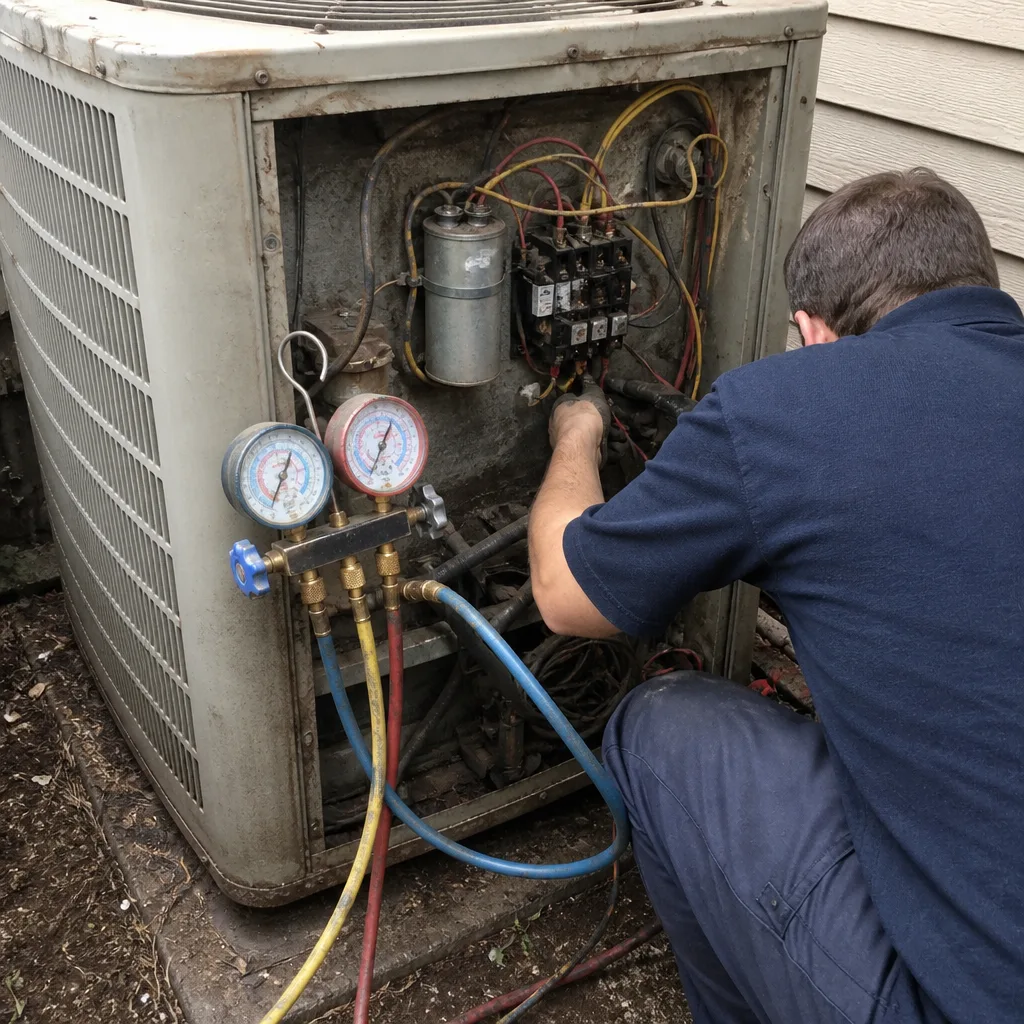
See the difference
 Before
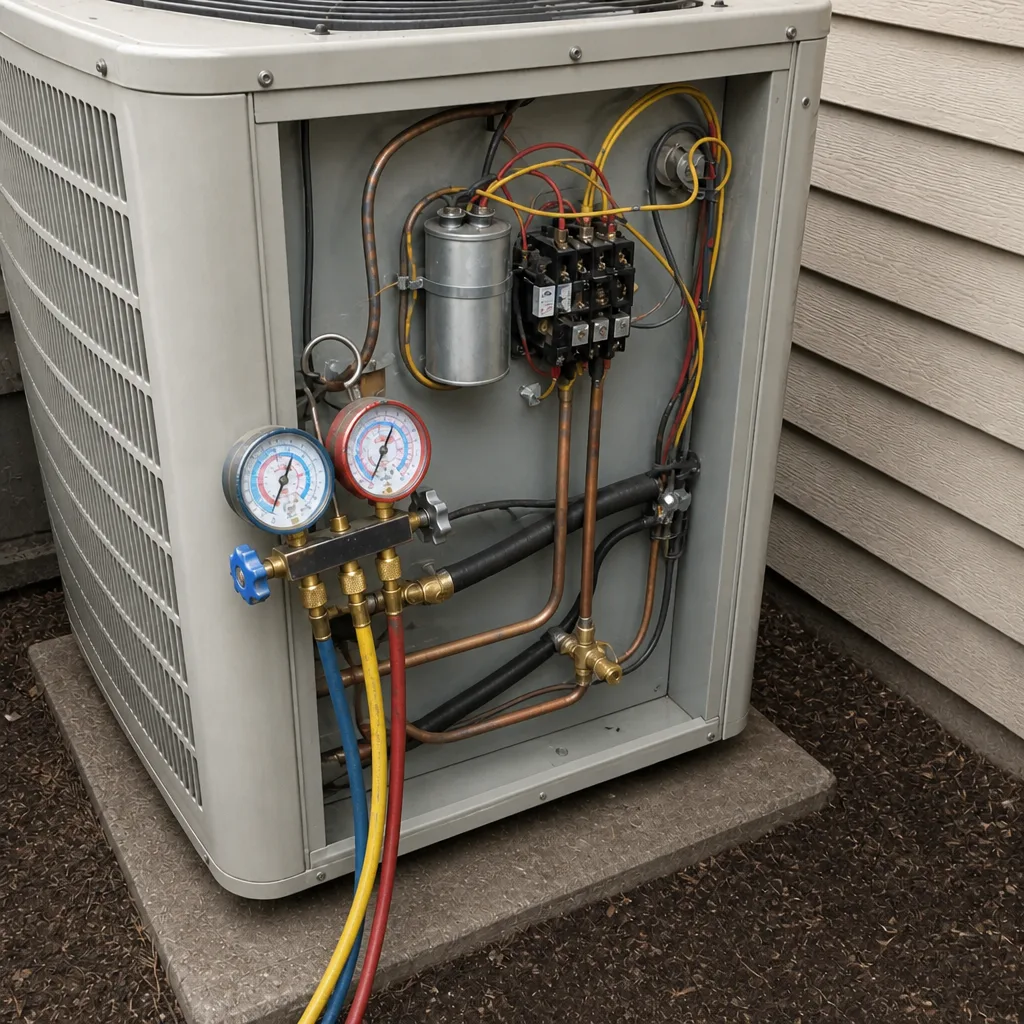 After
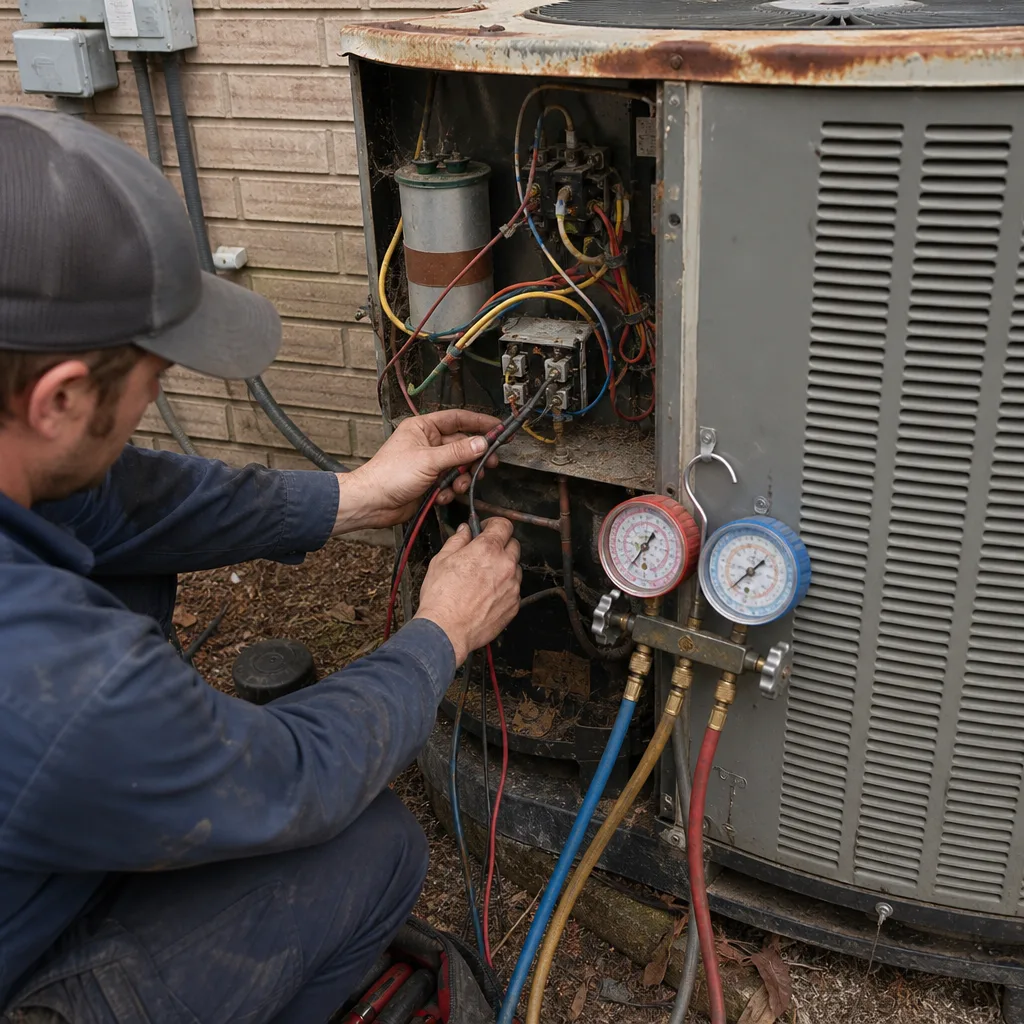 Before
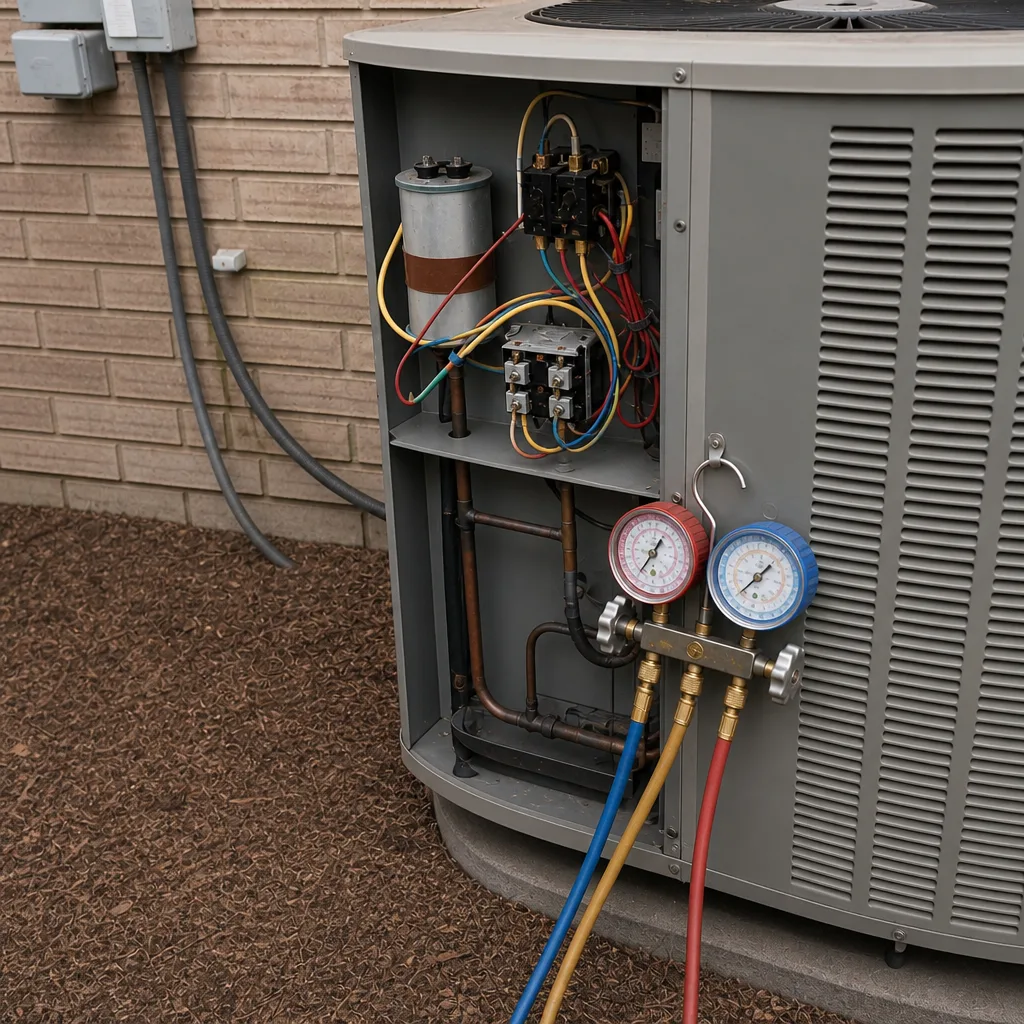 After
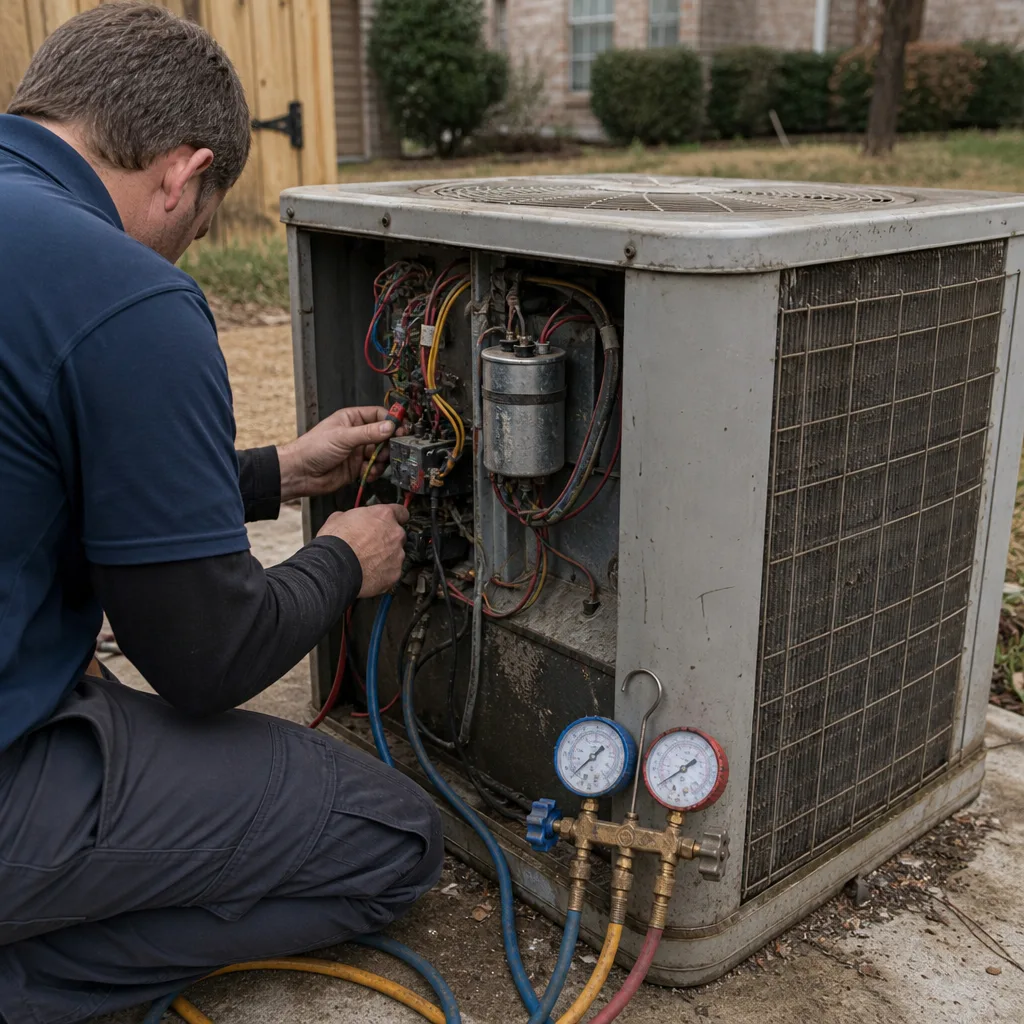 Before
 After
When to Call a Professional
Some HVAC work is seasonal planning. Some of it needs a caller, and right now. Call a professional if you smell gas, hear the furnace clicking repeatedly without firing, see a heat exchanger that might be cracked, find water pooling near the indoor unit, or notice your system short-cycling after a storm. Call if the system is blowing warm air in a month when it shouldn’t be, if you’re getting ice on the indoor or outdoor coil, or if your electricity bill suddenly jumps with no change in usage. Those are the moments where a technician saves you money rather than costing you some. Highpoint AC Repair offers free estimates in Allen. Call (855) 752-3431. We answer 24/7. Fast dispatch from 7am to 7pm, Sunday through Friday.
Frequently Asked Questions
Twice a year: a spring cooling check in late February through April, and a fall furnace check in October. That schedule matches the two shoulder windows in the Allen climate and keeps maintenance off the emergency call list.
Check it monthly during cooling season and change a standard filter every 60 to 90 days while the A/C is running hard. In the mild winter, every 4 to 6 months is usually enough. Homes with pets or high-MERV filters should shorten those intervals.
If the system is older, needs frequent repairs, or has a failing compressor or heat exchanger, replacement usually makes more sense than another repair. If the failure is a capacitor, blower motor, or ignitor, repair is often the right call. Call (855) 752-3431 for an exact quote on either path. Estimates are free.
Pricing depends on the equipment size, the brand, and the work involved, and every quote is written per job. Call (855) 752-3431 for an exact quote, and we’ll walk you through the numbers before you commit.
Yes, for urgent no-heat and no-cooling problems, same-day service is often available. We answer 24/7. Fast dispatch from 7am to 7pm, Sunday through Friday. A call outside dispatch hours is booked into the next opening.
We work on Carrier, Trane, Lennox, Goodman, Rheem, York, Daikin, Bryant, and American Standard. If your equipment is one of those, we already know the diagnostic path. If you’re not sure, tell us the model when you call (855) 752-3431 and we’ll confirm.
The Bottom Line
Seasonal care in Allen comes down to two windows and one habit. The windows are late February through April (cooling) and October (heating), and both are times to schedule a proper inspection while the system is idle and the schedule is clear. The habit is checking the filter and the outdoor coil by runtime, not calendar. Do those, and the summer marathon and the winter sprint both get easier. Front-loading maintenance is the whole game here. If you want the work done properly, call (855) 752-3431 for a free estimate. Estimates are free, and the written quote sets the final price.
Written by the team at Highpoint AC Repair.