
Last updated November 16, 2026
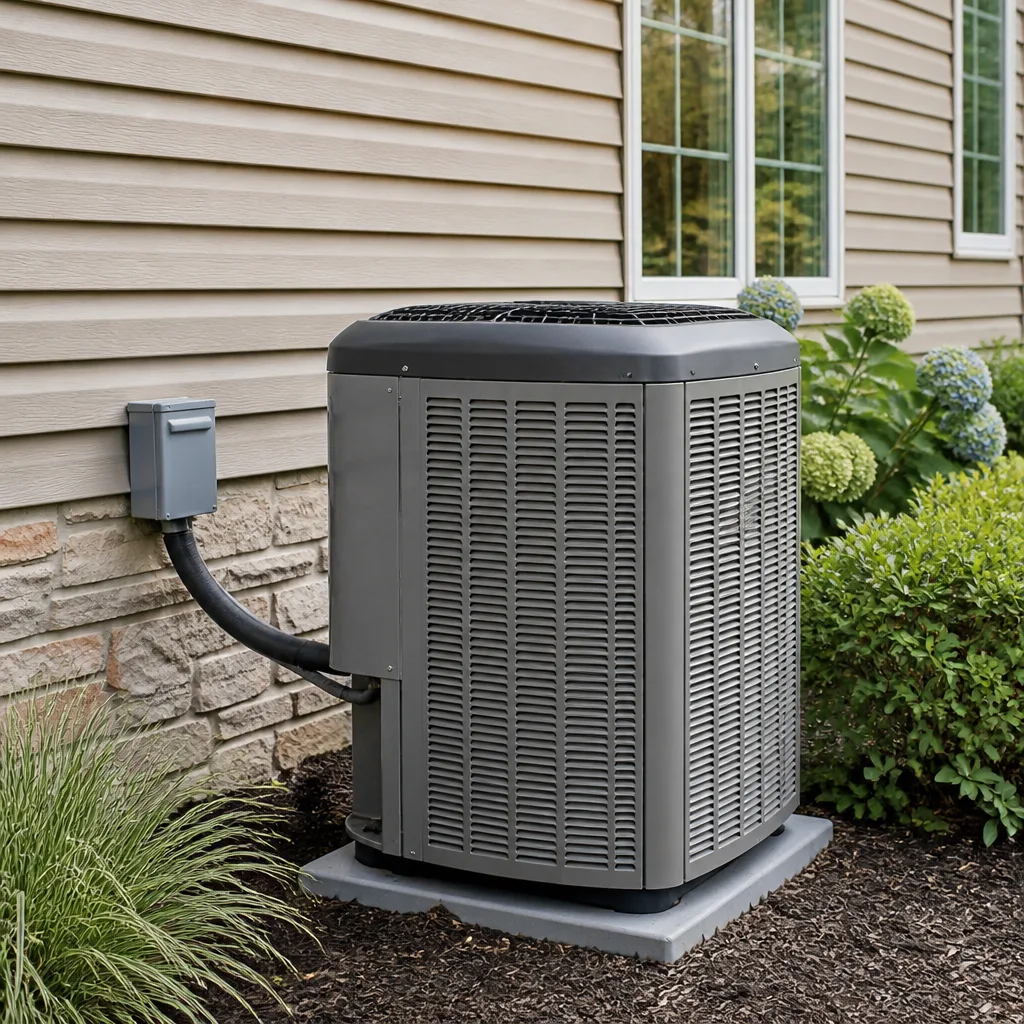 AC repair
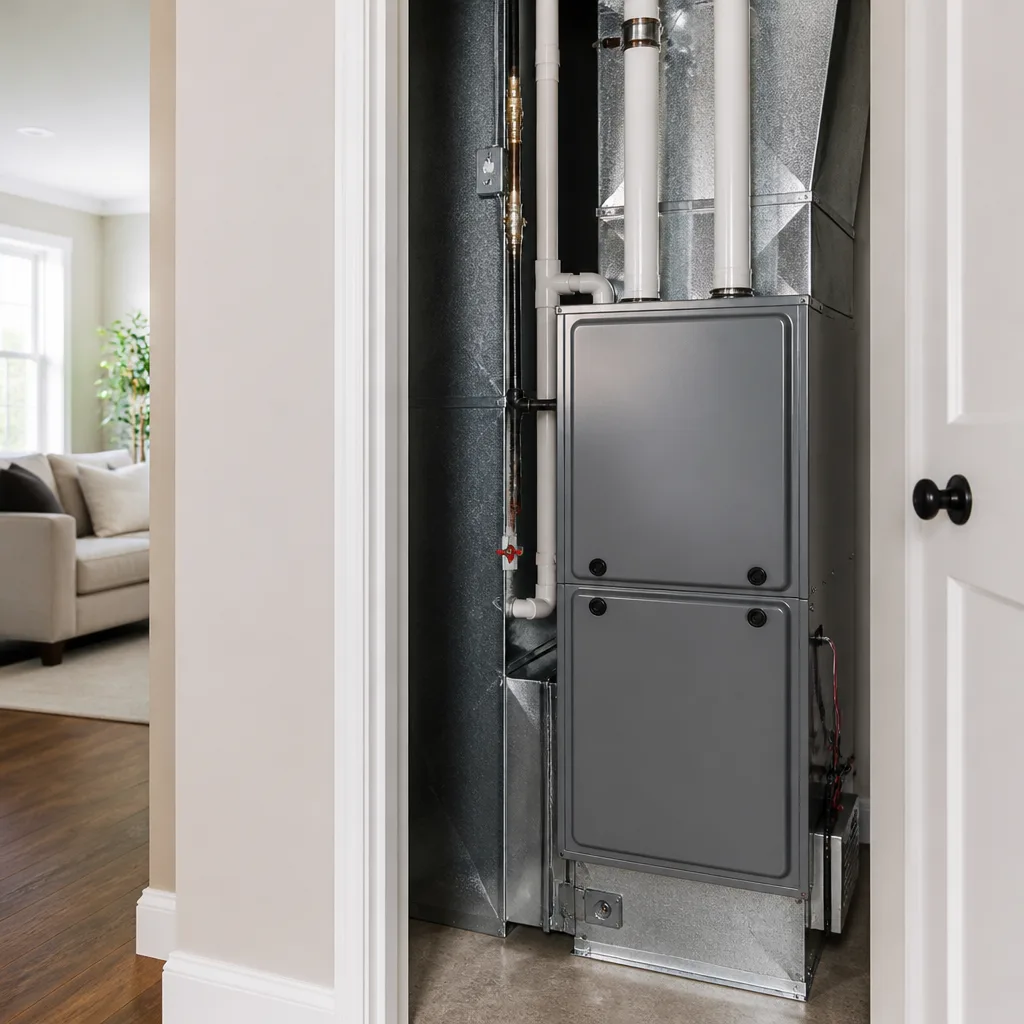 Furnace & heating
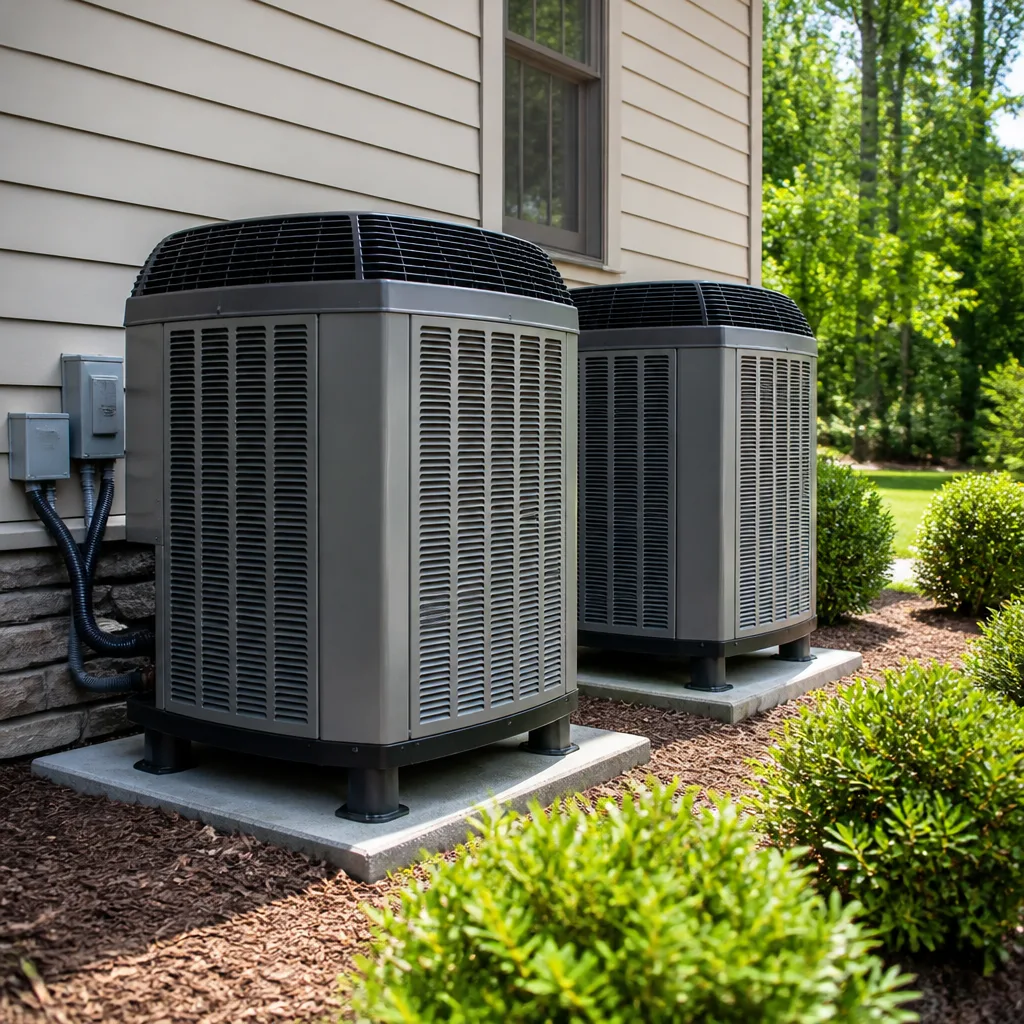 Heat pumps
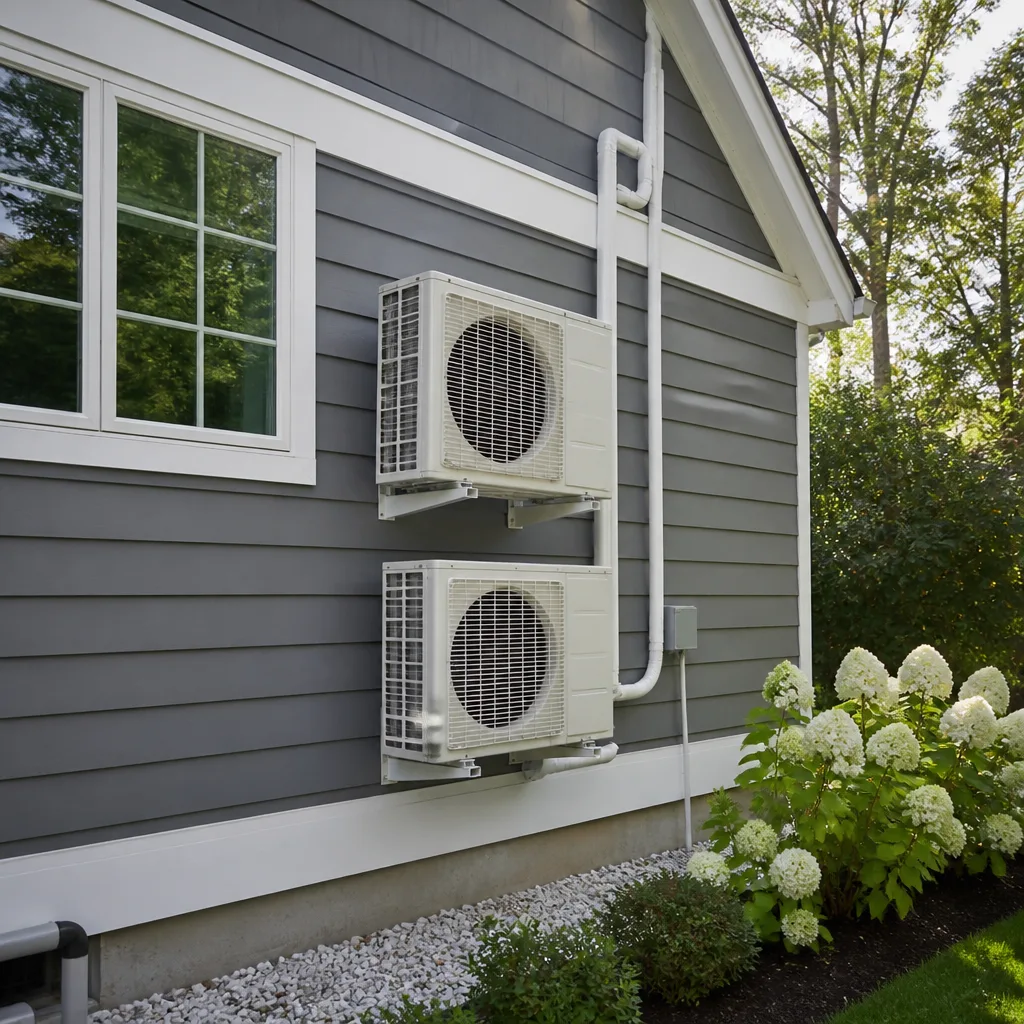 Ductless mini splits
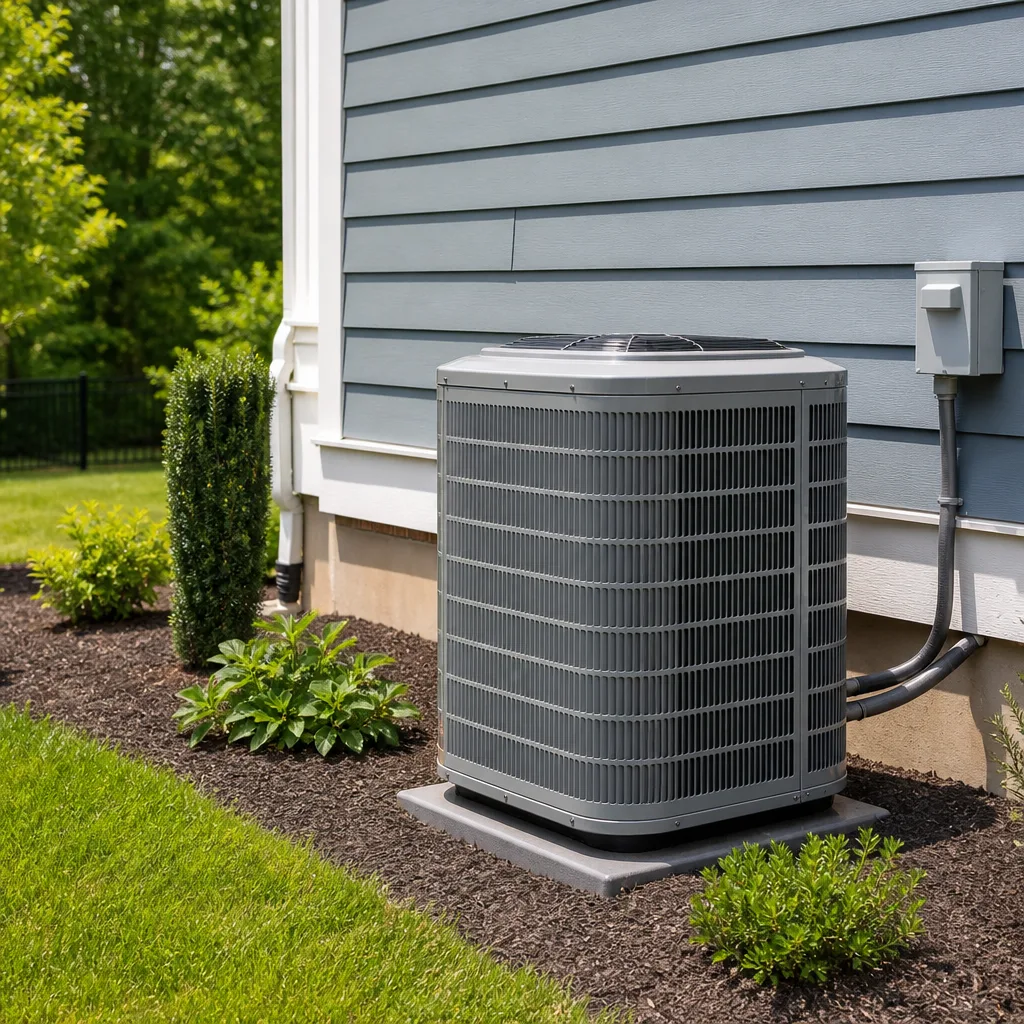 Carrier
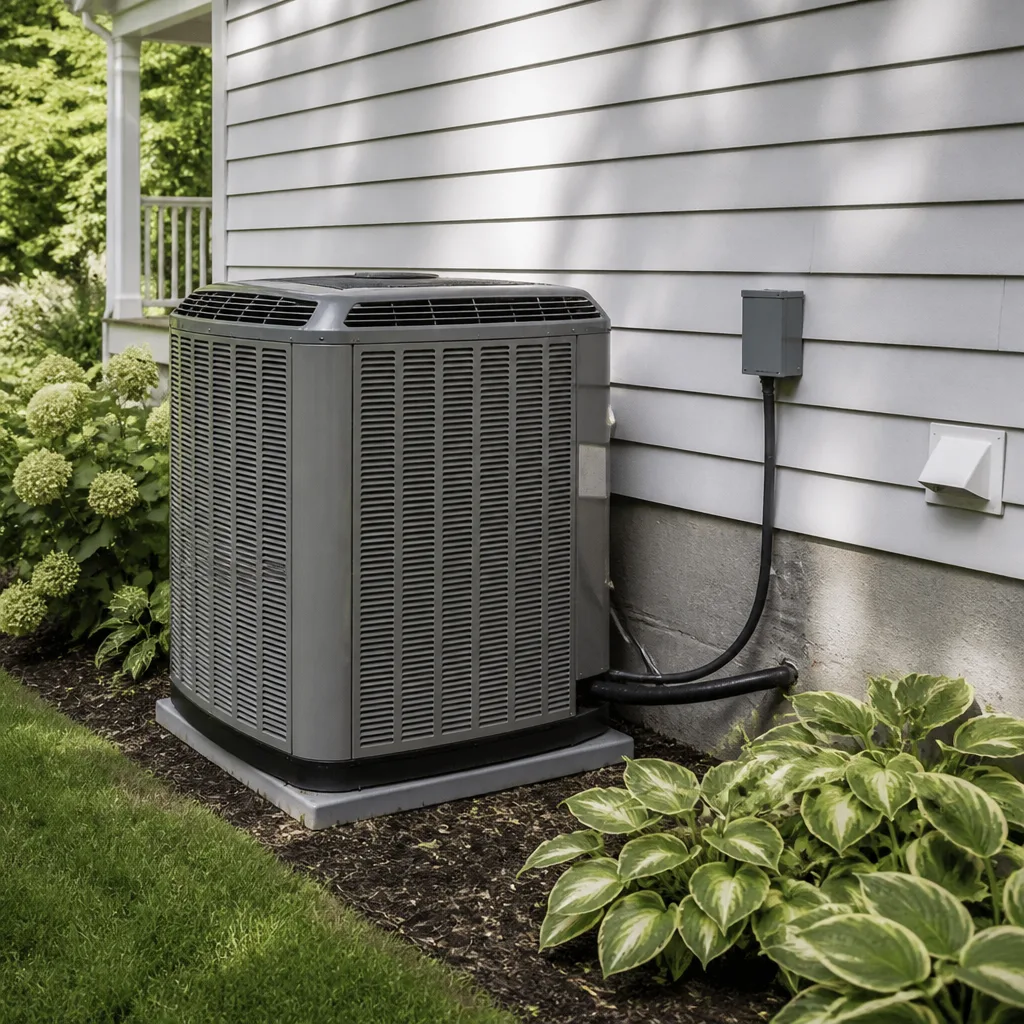 Trane
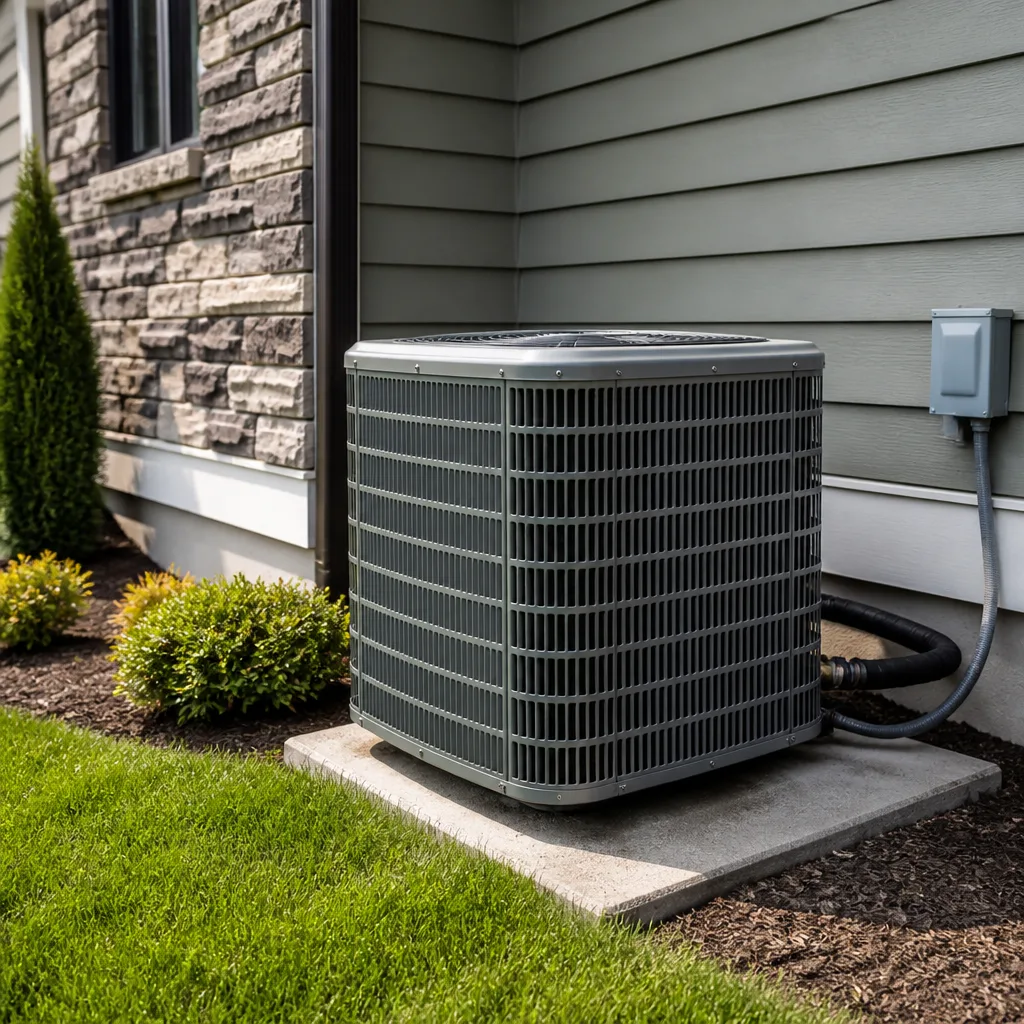 Goodman
Seasonal tune-up and full diagnostic on your Carrier, Trane, or Goodman system - readings shown to you before any repair is proposed
Diagnosis first, numbers second - you approve the repair price before a single part goes in.
Get your free estimateDIY vs Professional HVAC: The Allen Homeowner’s Decision Guide
Replacing your own capacitor is legal in Texas. Topping off your own refrigerant is not, and the gap between those two jobs is where most Allen homeowners get into trouble. The DIY-versus-professional question usually gets argued on cost. That’s the wrong lens. In Texas the real dividing line is legal and safety: some HVAC tasks require an EPA Section 608 certification or a TACL license to perform at all, and doing them without credentials can mean fines, a voided warranty, and liability you never agreed to carry. This guide draws that line precisely, task by task, so you know what you can safely do yourself in Allen and what needs a trained technician on site.
Quick Answer
In Allen, you can legally and safely handle the low-risk end of HVAC maintenance yourself: filter changes, thermostat swaps, coil rinsing, and drain-line clearing. Anything involving refrigerant handling, gas piping, electrical panel work, or sealed-system diagnosis requires an EPA Section 608 certification or a licensed HVAC technician, and DIY work on those systems can void your manufacturer warranty and expose you to fines and liability. When a symptom points to the sealed system or the electrical supply, stop and call a professional.
Styles & brands we work with
- AC repair
- Furnace & heating
- Heat pumps
- Ductless mini splits
- Carrier
- Trane
- Goodman
Table of Contents
- Where the Legal Line Sits in Texas
- The EPA Section 608 Rule, Explained Plainly
- What Allen Homeowners Can Legally and Safely Do Themselves
- Step-by-Step: The Three DIY Jobs Worth Doing
- Tasks That Require a Licensed Professional
- How DIY Work Affects Your Manufacturer Warranty
- When a Quick DIY Fix Masks a Bigger Failure
- The Real Cost Math: DIY vs Professional in Allen
Where the Legal Line Sits in Texas
Texas does not treat all HVAC work the same, and that’s the detail most DIY guides skip. The state draws a firm line around refrigerant and around the licensed trades, and it leaves the routine maintenance end relatively open. Knowing which side of that line a task falls on is the first decision you make, before you touch a tool.
On the open side sit the tasks that don’t break into the sealed refrigerant circuit or the gas and electrical supply. Swapping a filter, replacing a thermostat, rinsing a condenser coil, and clearing a condensate drain are all within reach of a careful homeowner. None of them require a license in Texas. None of them put refrigerant in the air or gas in the room.
On the closed side sit the tasks the state regulates. Handling refrigerant requires EPA Section 608 certification, and that certification is what makes it legal to buy, recover, and charge refrigerant. Gas line work and the electrical connections inside your air handler or furnace fall under licensed trades. These aren’t gray areas dressed up as rules; they’re bright lines, and crossing them turns a repair into an insurance and legal exposure.
Allen sits in Collin County, where the housing stock runs from newer builds to established neighborhoods, and the systems age accordingly. A homeowner in Allen may face a 15-year-old condenser that still works fine on paper but needs a part replaced every summer. The temptation to save a service call is real. So is the risk, and it grows the deeper the job goes into the sealed system.
If you’re unclear which side a task sits on, that uncertainty is itself information. The tasks that are clearly DIY are obvious. Anything that leaves you squinting at the rules is usually the kind of work that needs a trained hand, and one call to Highpoint AC Repair settles it faster than a forum thread.
The EPA Section 608 Rule, Explained Plainly
The EPA’s Section 608 program regulates who may handle refrigerants, and it exists for one reason: refrigerants deplete ozone and contribute to climate change when released into the air. The rule requires anyone who services, maintains, repairs, or disposes of equipment containing refrigerant to hold Section 608 certification. That covers recovering refrigerant, evacuating a system, and charging it back up. Releasing refrigerant to the atmosphere is prohibited outright, whether it’s done on purpose or by accident during a botched DIY attempt.
Why does this matter to an Allen homeowner standing in the driveway with a gauge set? Three reasons.
- Legality: Performing refrigerant work without certification exposes you to federal penalty exposure. The program is enforced, and the penalties aren’t symbolic.
- Warranty: Manufacturers condition coverage on proper installation and service. Uncertified refrigerant work is a documented way to void a compressor warranty, which is the single most expensive part on your system.
- Liability: If a DIY refrigerant job damages the system, the resulting repair bill lands on you, and your homeowner’s policy may not cover it because the work was never performed to code.
The practical upshot is simple. A system that’s low on refrigerant doesn’t need a top-off; it needs a leak diagnosis, because refrigerant doesn’t get consumed over time. It leaks out, and the leak is the actual problem. A certified technician recovers what’s left, finds the leak, repairs it, evacuates the system, and charges it to the correct weight. That sequence is legal, warrantable, and the only way the fix holds.
This is also where brand familiarity pays off. Different manufacturers design their service ports and charge capacities differently, and a technician who already knows the Trane or Lennox line will diagnose and recharge your system correctly the first time rather than guessing at capacity. We’ve worked across nine major manufacturers, and the refrigerant protocol varies enough between them that experience is the difference between a clean recharge and a callback.
What Allen Homeowners Can Legally and Safely Do Themselves
A meaningful share of HVAC maintenance is genuinely within a homeowner’s reach, and doing it saves real money over a year. The trick is knowing which jobs qualify. Here’s the list we’d hand any Allen homeowner who wants to stay hands-on with their system without stepping over the legal line.
- Filter replacement: The highest-value, lowest-risk task on the list. A clogged filter strains the blower and cuts efficiency. Change it on the schedule your filter’s rating calls for, and more often during heavy-use months.
- Thermostat replacement: A programmable or smart thermostat swap is a low-voltage job. Turn the system off at the breaker, follow the manufacturer’s wiring diagram, and photograph the old wiring before you remove it.
- Condenser coil rinsing: With the power off, a gentle rinse of the outdoor coil clears dust and pollen. Allen’s spring pollen load makes this worth doing each season.
- Condensate drain clearing: A clogged drain triggers the float switch and shuts the system down. Flushing the line with water and checking the pan prevents a common summer shutdown.
- Capacitor replacement: Legal in Texas and a common DIY fix. It’s also where homeowners most often get hurt, so read the steps below before attempting it.
- Outdoor unit clearing: Keep two feet of clearance around the condenser and clear debris from the fins. It’s free and it matters in July.
What ties these together is that none of them requires opening the sealed refrigerant circuit or touching the gas and electrical supply in a way the state regulates. They also don’t carry the injury risk of the higher-stakes work. A homeowner who handles this list and calls a technician for everything else saves money without creating exposure.
Worth noting: if your home is under a manufacturer’s active parts-and-labor warranty, any DIY work on the system should be logged, and you should check the warranty terms before touching anything beyond the filter. We cover that in the warranty section below.
Step-by-Step: The Three DIY Jobs Worth Doing
Three tasks are worth the effort for an Allen homeowner, and each has a right way to do it. Follow these steps in order. If any step doesn’t match what you see, stop and call a professional rather than improvising.
1. Replacing the Air Filter
- Turn the system off at the thermostat.
- Locate the filter slot at the return grille or the air handler. Pull the old filter out and note which way the arrow points.
- Match the size and MERV rating. A higher MERV isn’t always better; too high a rating can choke airflow on some systems.
- Slide the new filter in with the arrow pointing toward the air handler, then restart the system.
2. Swapping the Thermostat
- Turn off the air handler at the breaker, not just the thermostat.
- Photograph the existing wiring before disconnecting anything.
- Remove the old unit and mount the new backplate level.
- Connect the wires per the new thermostat’s diagram, matching the photographed labels.
- Restore power and run a short test cycle in both heat and cool modes.
3. Replacing a Capacitor (Handle With Care)
Before anything else: a capacitor stores a charge even after the power is off, and it can deliver a serious shock. If you’re not confident working around stored electrical energy, this is the task to hand off. For those who are:
- Shut off power at the breaker and confirm with a non-contact voltage tester.
- Discharge the capacitor safely using an insulated resistor, not a screwdriver.
- Note the wire positions, then disconnect them.
- Match the microfarad rating and voltage exactly; a mismatch can damage the motor.
- Install the new capacitor, reconnect, restore power, and confirm the fan and compressor start.
A capacitor is inexpensive, and replacing a failed one restores cooling within an hour. But if the new capacitor fails within days, that’s a symptom of a deeper electrical problem, not bad luck. That signal is exactly what the next sections are about.
Tasks That Require a Licensed Professional
Some HVAC work simply isn’t a DIY candidate, no matter how handy you are. These are the tasks where Texas law, safety, or both require a trained, credentialed technician. If your symptom points to one of these, the right move is to stop and call. Attempting them yourself risks the same outcomes we’ve already covered: fines, voided warranty, and liability.
- Refrigerant recovery, charging, and leak repair: EPA Section 608 certification required. No exceptions.
- Sealed-system diagnosis: Figure out why a system isn’t cooling at the correct level requires gauges, temperature readings, and the judgment to interpret them.
- Gas line work and gas furnace components: Licensed trades only. Gas leaks and carbon monoxide are not DIY territory.
- Electrical panel and high-voltage connections: The wiring feeding your air handler and condenser is not a handyman job.
- Compressor replacement: A sealed-system job that requires recovery, brazing, evacuation, and recharge.
- Duct and airflow balancing: Diagnosing uneven cooling requires measuring static pressure and airflow, not guessing.
- Full system replacement: Load calculation, equipment sizing, and proper commissioning. This is AC installation work that has to be right the first time.
The theme is consistency: every task on this list touches either the refrigerant circuit, the gas or electrical supply, or the sizing logic that makes a system work as designed. A technician holds the certification and license to work on all of it, and the liability sits with the company rather than with you.
Diagnostic work is its own category. A homeowner can hear a noise or feel warm air, but connecting the symptom to the cause takes a trained ear and the right instruments. That’s the work furnace repair and cooling diagnosis demand, and it’s where a professional earns the call.
How DIY Work Affects Your Manufacturer Warranty
Manufacturer warranties are the quiet cost of DIY work that goes wrong. Most HVAC warranties condition coverage on proper installation and service by a qualified technician, and they include language that allows the manufacturer to deny a claim if the equipment was serviced improperly or by an unqualified party. That language is why a $30 DIY refrigerant top-off can cost you a compressor.
Here’s how the terms tend to work in practice:
- Parts warranties typically run five to ten years on major components, with the compressor often carrying a longer term. They’re voided by improper service, not by the passage of time.
- Labor warranties are usually shorter and are frequently voided by unauthorized repairs. If a non-certified party touches the sealed system, the labor coverage on that system is typically the first thing to go.
- Registration matters. Many manufacturers require the equipment to be registered within a set window after installation to activate the full warranty term. If you bought a home with existing equipment, verify the registration status before you rely on coverage.
The conservative rule for any Allen homeowner is this: if your equipment is still under a manufacturer warranty, keep a written record of every service performed and use a certified technician for anything beyond filter and thermostat work. A documented service history is what supports a warranty claim when you need one.
It also matters for resale. A buyer’s inspector will look for service records, and a home with a clean HVAC history is easier to sell than one with a mystery repair buried in its past. A technician who services your Trane or Goodman system and leaves a written record is adding value beyond the repair itself.
When a Quick DIY Fix Masks a Bigger Failure
The most expensive HVAC mistakes in Allen don’t happen in the driveway. They happen after a homeowner fixes a symptom and calls it done, weeks before the real failure lands. The pattern is consistent, and it’s worth recognizing before it happens to you.
Consider the capacitor again. It’s a cheap part and an easy swap, and when a failed capacitor is the whole problem, replacing it is the right call. But a capacitor that keeps failing is a symptom, not the disease. It can signal a failing compressor drawing too much current, a bad start relay, or a motor on its way out. Fix the capacitor alone and you’ve bought time, not a solution, and the underlying failure keeps building.
The same pattern shows up with a refrigerant top-off. A system that’s low on charge needs a leak diagnosis, and refrigerant has to be recovered, the leak repaired, and the system recharged to spec. Topping off without finding the leak means the charge leaks out again, and the compressor runs with too little refrigerant and too little oil, which is exactly how a $200 leak repair becomes a $4,000 compressor replacement.
Other sneaky symptoms:
- Resetting a tripped breaker without finding out why it tripped. The breaker is doing its job. The trip is the signal.
- Ignoring a frozen coil. Ice on the indoor coil means low airflow or low charge, not a reason to wait for it to thaw.
- Clearing a drain without finding the source of the clog. Repeated clogs point to a slope or growth problem the drain line can’t fix on its own.
- Swapping parts by guesswork rather than diagnosis. Each guess costs money and adds no information.
Diagnosis is where professional training pays for itself. A certified technician measures superheat and subcooling, checks static pressure, and reads the electrical draw to find the actual cause. That’s the difference between a repair that holds and one that buys you a season.
The Real Cost Math: DIY vs Professional in Allen
DIY wins on the sticker price of a single repair when the job is small and the diagnosis is already obvious. It loses badly when the repair is either bigger than it looked or beyond the legal line. The honest math compares the full cost of both paths, not just the part.
Here’s how we’d frame it for an Allen homeowner weighing a specific job:
- Filter, thermostat, coil rinse, drain clear: DIY. The parts are inexpensive, the risk is low, and a service call costs more than the task is worth.
- Capacitor or simple electrical component on a known-good system: DIY is reasonable if you’re comfortable with stored energy and you’ve confirmed the diagnosis. If not, professional.
- Refrigerant, gas, panel wiring, compressor, duct balancing, replacement: Professional, always. The legal and warranty exposure alone outweighs any conceivable savings.
- Anything you can’t confidently diagnose: Professional. Guessing at a sealed system costs more than paying for a diagnosis.
There’s an Allen-specific wrinkle: the summer heat load is long and heavy, and a system that’s running hard for months has less margin for a half-fixed symptom. A repair that would coast through a mild summer in a cooler climate can fail in the middle of July here. The cost of a mid-summer shutdown, with a house full of people and no cooling, is higher than the cost of getting the diagnosis right up front.
When a repair tips into a hardware decision, the calculus changes again. If your system is old enough that a professional repair costs a meaningful share of a replacement, that’s the moment to weigh a furnace repair against full replacement, and to get a written estimate either way. Free estimates make that comparison cheap to run.
For more on how we approach the diagnostic end of the work, the Highpoint AC Repair team is the place to start, and the Allen service page lays out what a first visit covers. We work across the manufacturer lines most Allen homes run on, including Trane, Lennox, Goodman, and Rheem, so the technician arrives already familiar with your equipment rather than learning it on your driveway.
Common Mistakes to Avoid
- Top-off refrigerant without a leak search. Refrigerant doesn’t get consumed. If it’s low, it leaked, and the leak is the job. Charging without a diagnosis is a temporary patch that accelerates compressor wear.
- Ignoring the capacitor warning signs. A swelling, bulging, or leaking capacitor needs replacing before it takes the motor with it. Check it during your seasonal inspection rather than waiting for a July failure.
- Resetting a tripped breaker without knowing why. A repeatedly tripping breaker is telling you something. Find the cause rather than treating the trip as the problem.
- Skipping the filter change during heavy-use months. Allen’s long cooling season means the filter loads faster here than in most of the country. Check it monthly through summer.
- Letting a frozen coil thaw and hoping. Ice on the indoor coil signals low airflow or low charge, and running the system while it’s frozen can cause real damage.
- Touching sealed-system work under warranty. Any uncertified work on the refrigerant circuit can void the manufacturer’s coverage, which is the most expensive mistake a homeowner can make on a young system.
- Guessing at parts instead of diagnosing. Part-swapping on a hunch costs money and adds no information. A proper diagnosis costs less than the wrong part twice.
See the difference
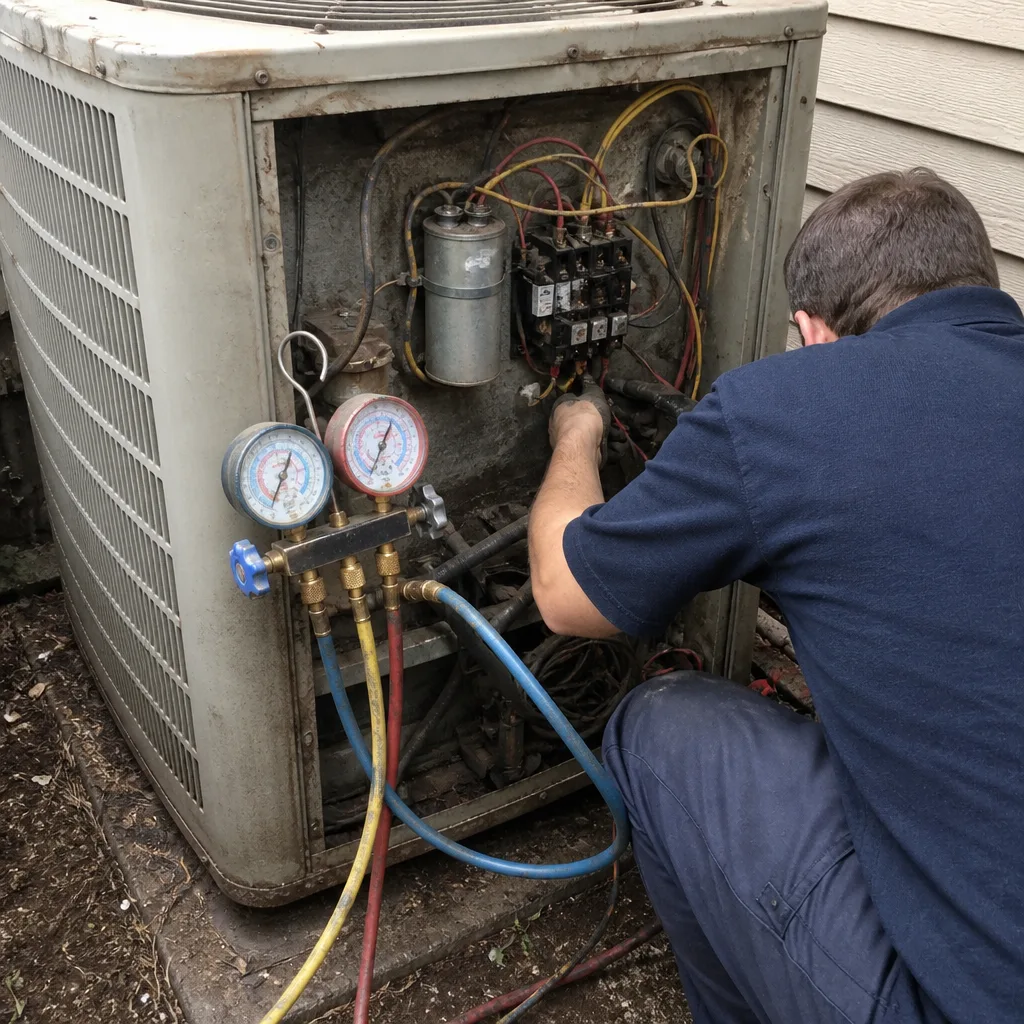 Before
 After
 Before
 After
 Before
 After
When to Call a Professional
Call a professional in Allen the moment a symptom points to refrigerant, gas, high-voltage wiring, or a diagnosis you can’t confidently complete. That covers a system that won’t cool, a furnace that won’t fire, ice on the indoor coil, a repeatedly tripping breaker, a compressor that won’t start, or any work on a system still under manufacturer warranty. It also covers the case where a DIY fix worked for a week and then the symptom came back; that’s a diagnosis problem, and a certified technician with the right instruments solves it faster than a replacement part will. If the system is old enough that repairs are stacking up, that’s a replacement conversation, and getting a written estimate clarifies the decision.
Highpoint AC Repair offers free estimates in Allen. Call (855) 752-3431. We answer 24/7, with fast dispatch from 7am to 7pm, Sunday through Friday. Our technicians have up to 11 years of experience across the brands Allen homes run on, and we’re licensed and insured for the work that requires it.
Frequently Asked Questions
Some of it is legal, and some of it isn’t. Texas allows homeowners to perform routine maintenance themselves, including filter changes, thermostat replacements, coil cleaning, and condensate drain clearing. Refrigerant handling requires EPA Section 608 certification, and gas line and high-voltage electrical work falls under licensed trades. If a task touches the sealed refrigerant circuit or the gas and electrical supply, it’s not a legal DIY job.
You expose yourself to federal penalty exposure and risk voiding your manufacturer warranty. The EPA enforces the Section 608 program, and refrigerant release into the atmosphere is prohibited regardless of how it happened. The warranty consequences are often more immediate than the penalty; a compressor claim denied because the sealed system was serviced by an uncertified party can run into the thousands. Call (855) 752-3431 for a certified diagnosis instead.
Yes, replacing a capacitor is legal in Texas and is a common DIY repair. It’s also the task that most often sends homeowners to the emergency room, because capacitors store a charge even after the power is off. Discharge it safely, verify power is off at the breaker, and match the microfarad rating and voltage exactly. If you’re not comfortable around stored electrical energy, hand it to a professional.
It can. Most manufacturer warranties condition coverage on proper service by a qualified technician, and unqualified work on the sealed system is a common basis for denying a claim. Routine maintenance like filter changes and thermostat swaps generally doesn’t void anything, but refrigerant work, gas work, and electrical work performed without the proper credentials can. Check your specific warranty terms before you touch anything beyond the filter.
Your system is low because refrigerant leaked out; it isn’t consumed over time. Topping it off without finding and repairing the leak means the charge will leak out again, and the compressor runs undercharged in the meantime, which shortens its life. A certified technician recovers the remaining refrigerant, locates the leak, repairs it, evacuates the system, and recharges to the correct weight. That’s the only fix that holds.
Sometimes. A clogged filter, a tripped breaker, a dead thermostat battery, or a clogged condensate drain can all cause warm air, and those are within reach of a homeowner. If those checks don’t solve it, the cause is likely refrigerant, a failed component, or an electrical problem, all of which need a professional diagnosis. Call (855) 752-3431 and we’ll get a technician out, with fast dispatch from 7am to 7pm, Sunday through Friday.
The Bottom Line
The DIY-versus-professional decision in Allen comes down to one question: does the job cross into refrigerant, gas, high-voltage wiring, or a diagnosis you can’t confidently complete? If it doesn’t, do it yourself and save the service call; filters, thermostats, coil rinsing, drain clearing, and a careful capacitor swap are all within a homeowner’s reach. If it does, the law, the warranty, and your own safety all point to a certified technician. The cost of a diagnosis is small next to the cost of a denied warranty claim or a compressor that failed because a leak went unfound. When in doubt, get the estimate. It’s free, and it’s the cheapest way to find out which side of the line you’re on.
Call (855) 752-3431 for a free estimate. We answer 24/7, with fast dispatch from 7am to 7pm, Sunday through Friday. One call covers heating and cooling, and our technicians arrive already familiar with the Trane, Lennox, Goodman, and Rheem systems common in Allen homes.
Written by the team at Highpoint AC Repair.