
Last updated November 16, 2026
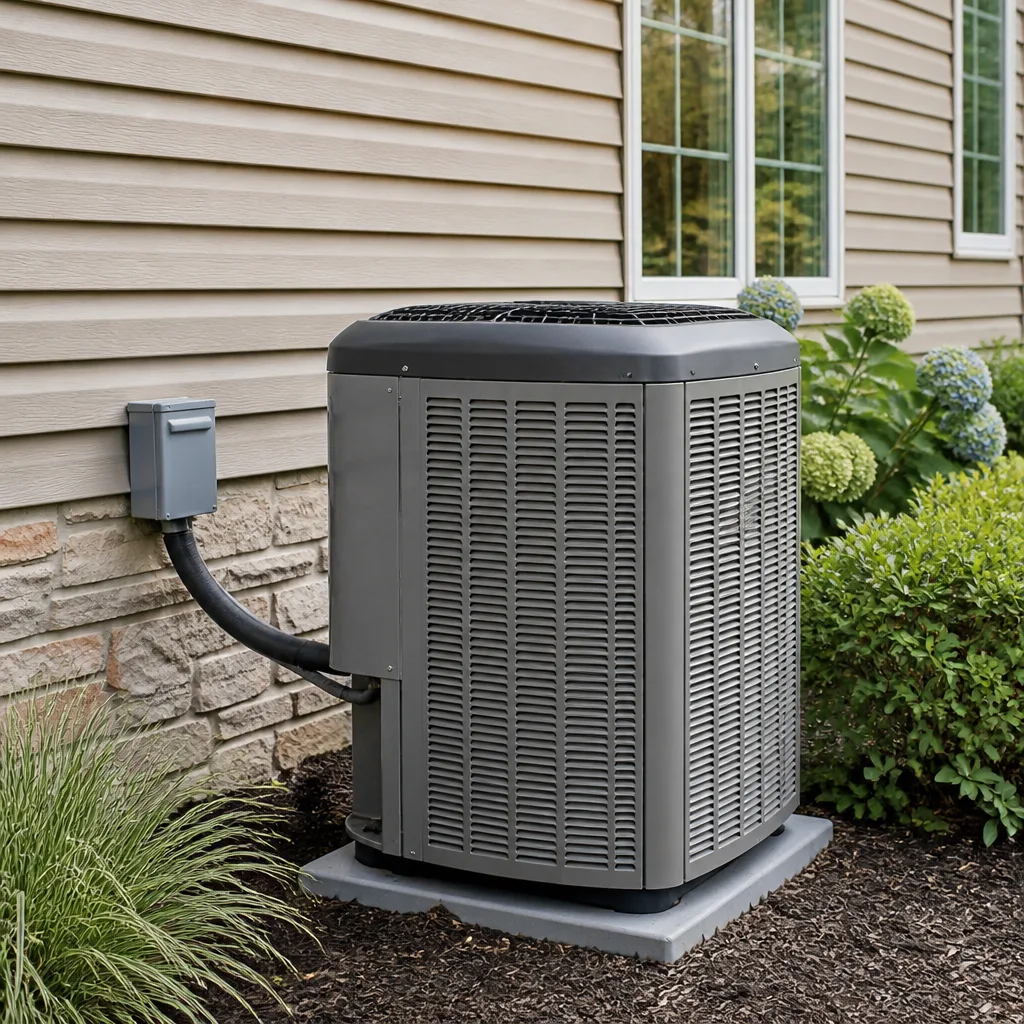 AC repair
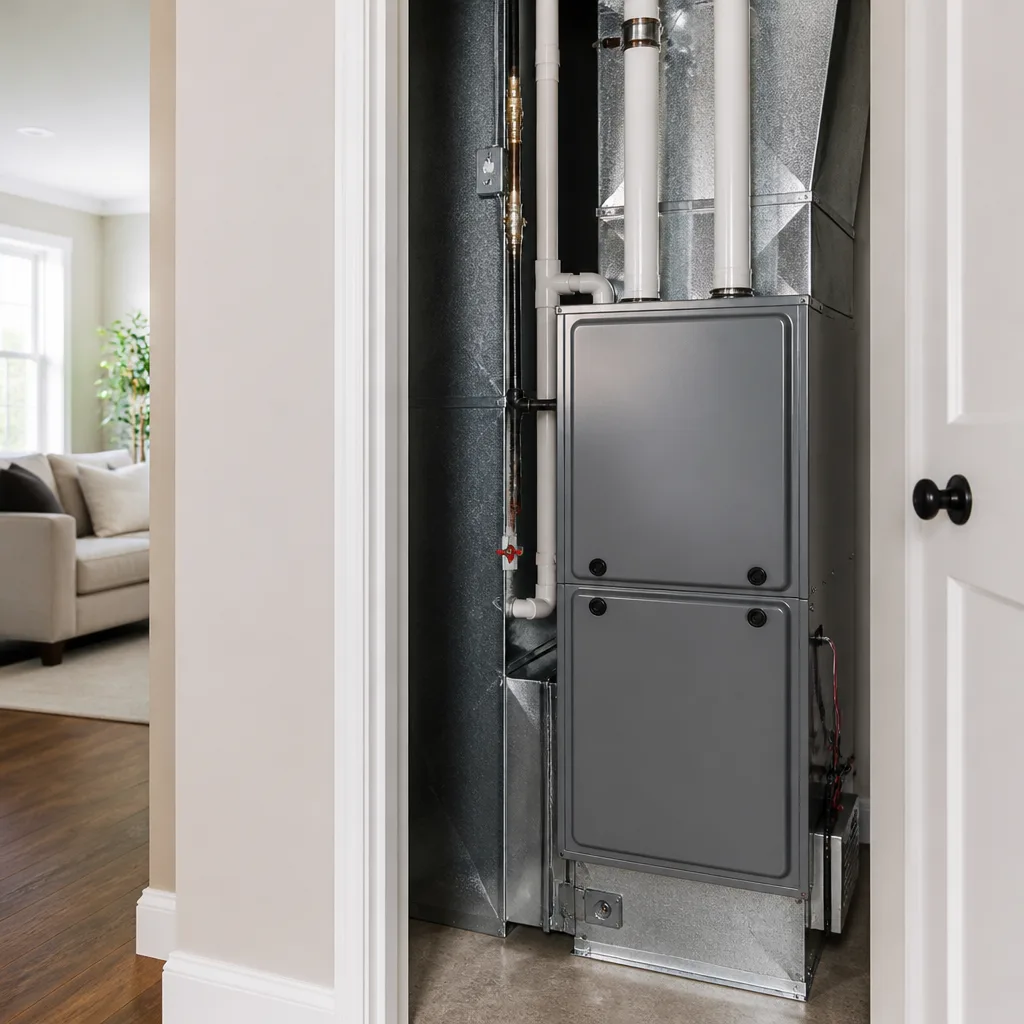 Furnace & heating
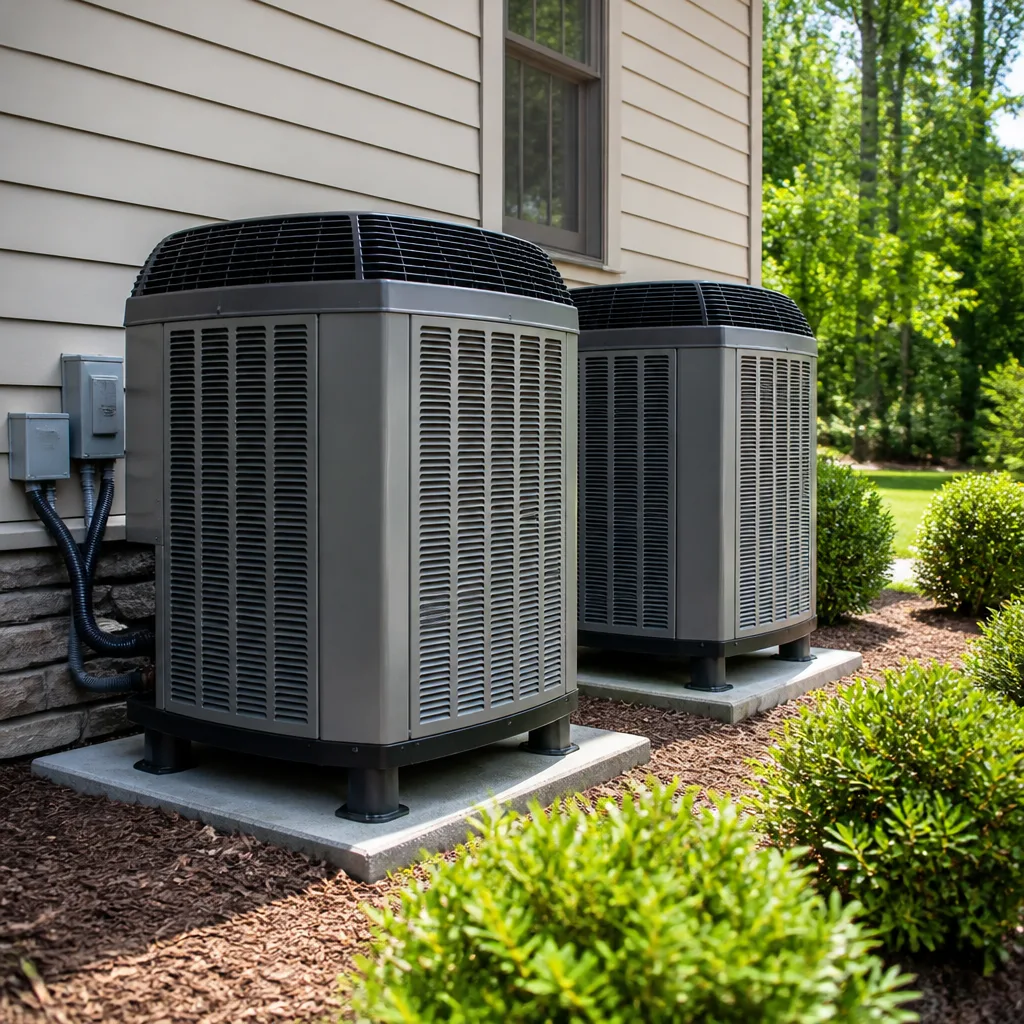 Heat pumps
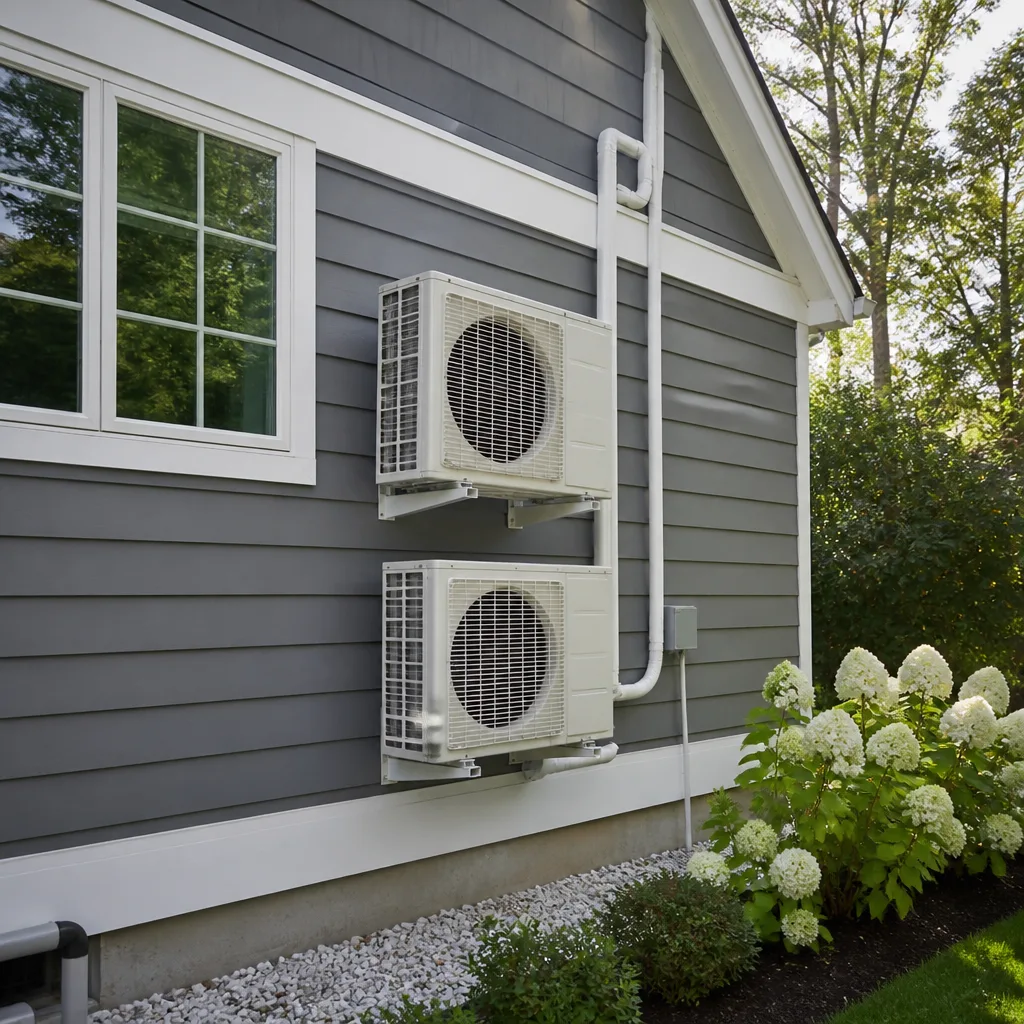 Ductless mini splits
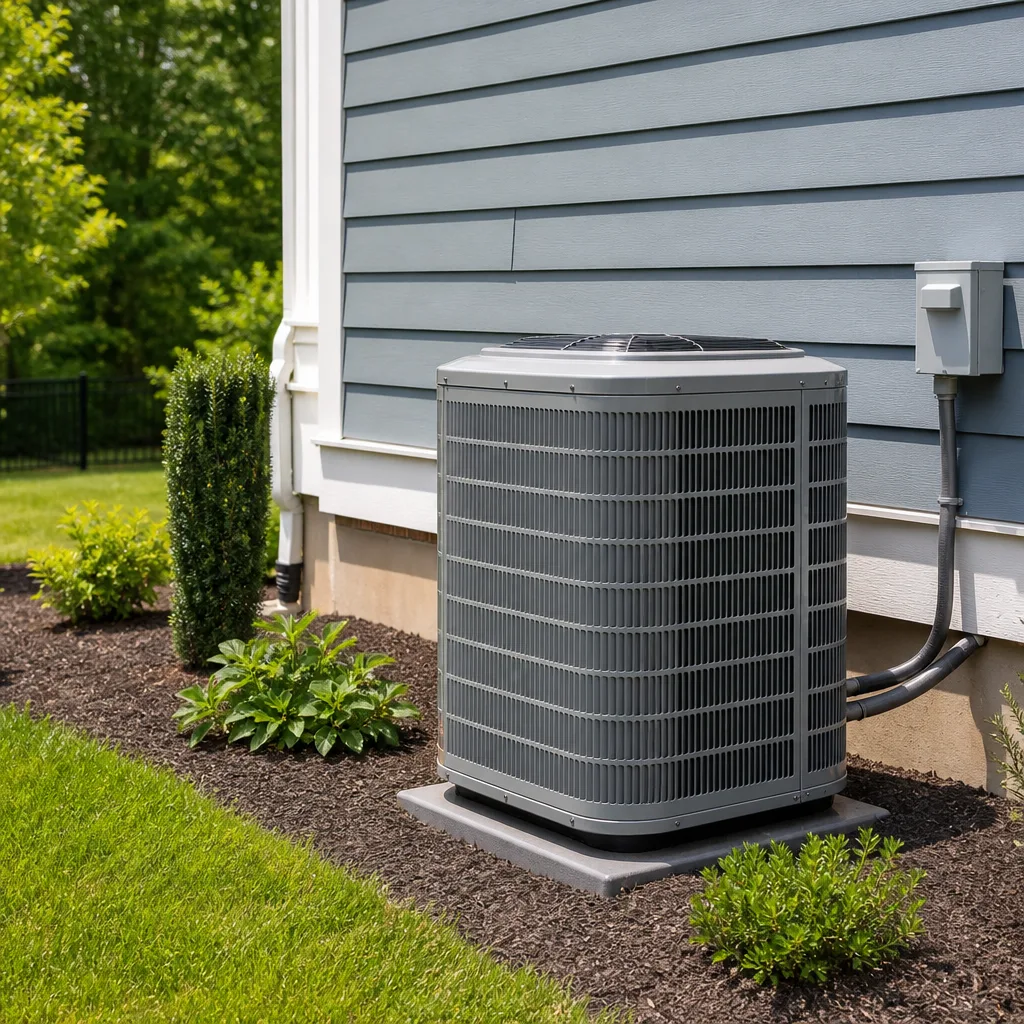 Carrier
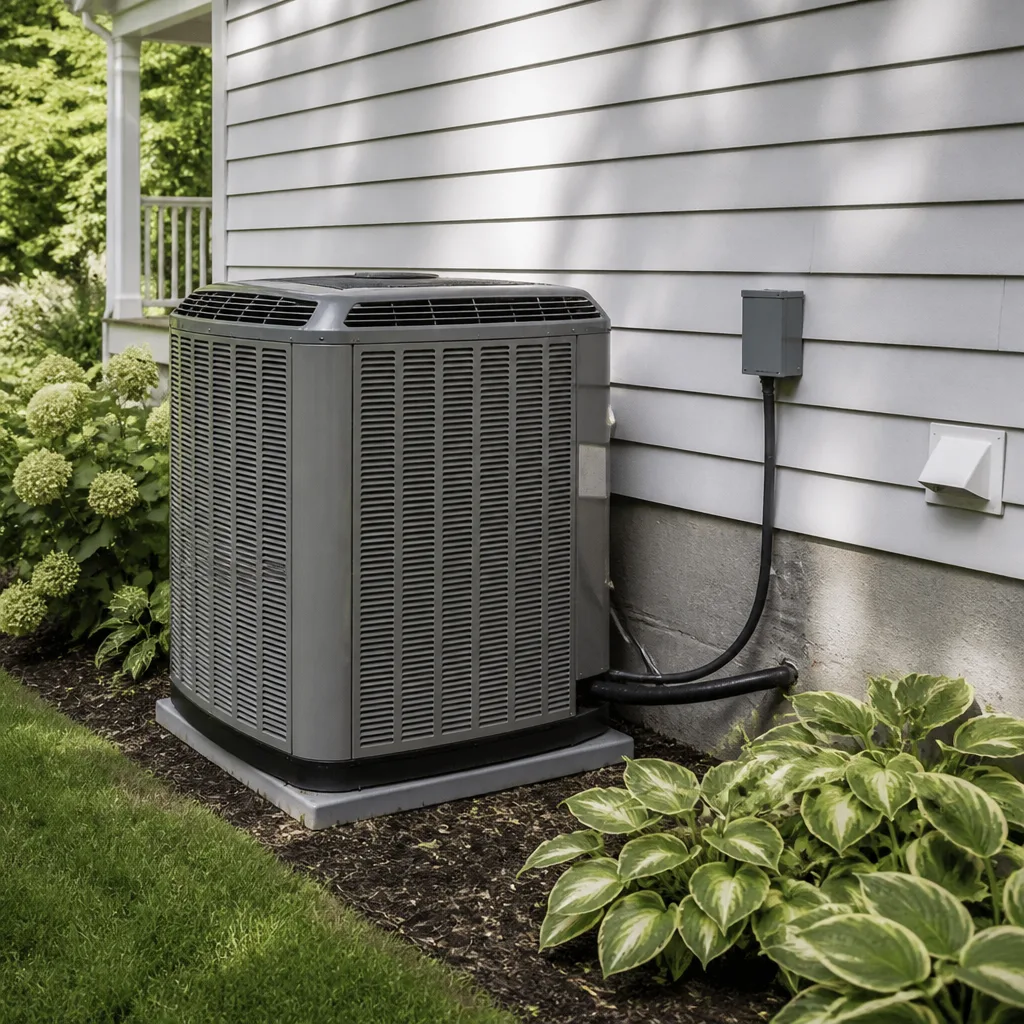 Trane
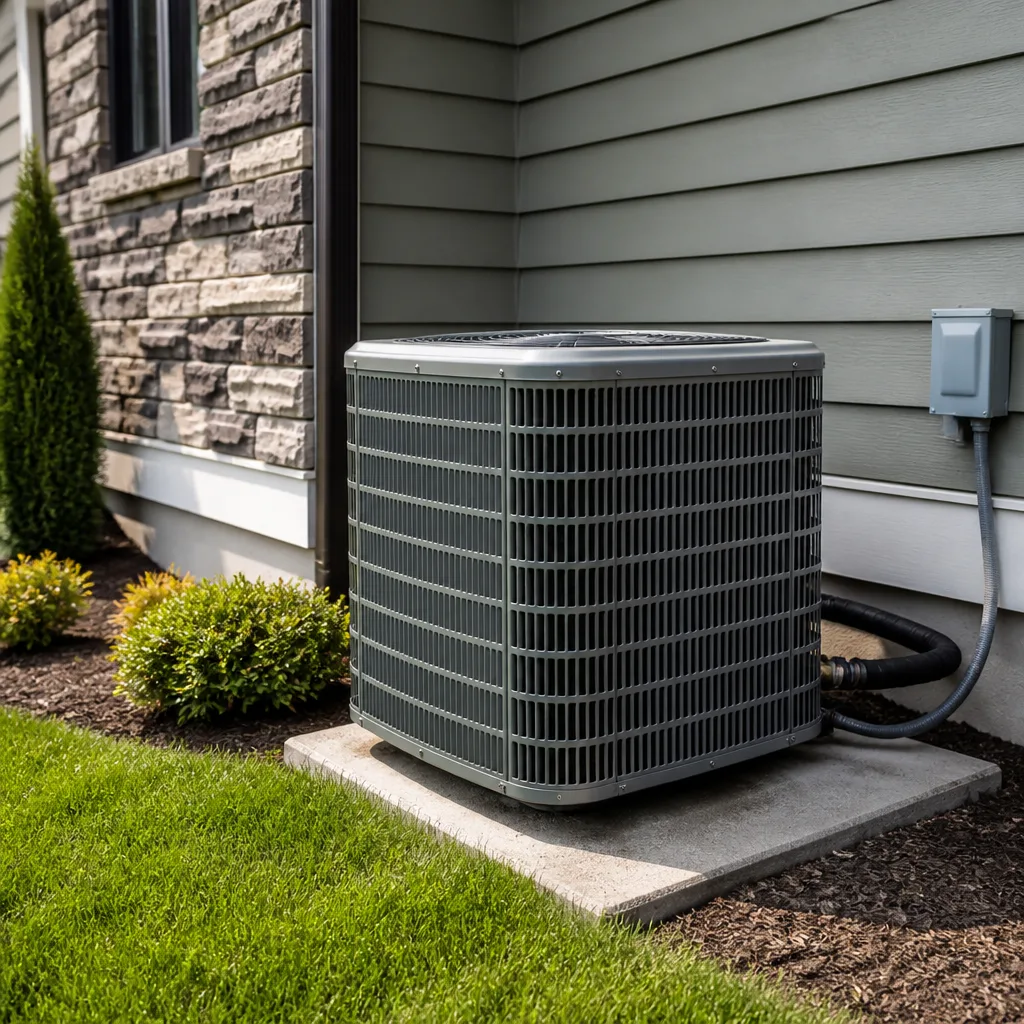 Goodman
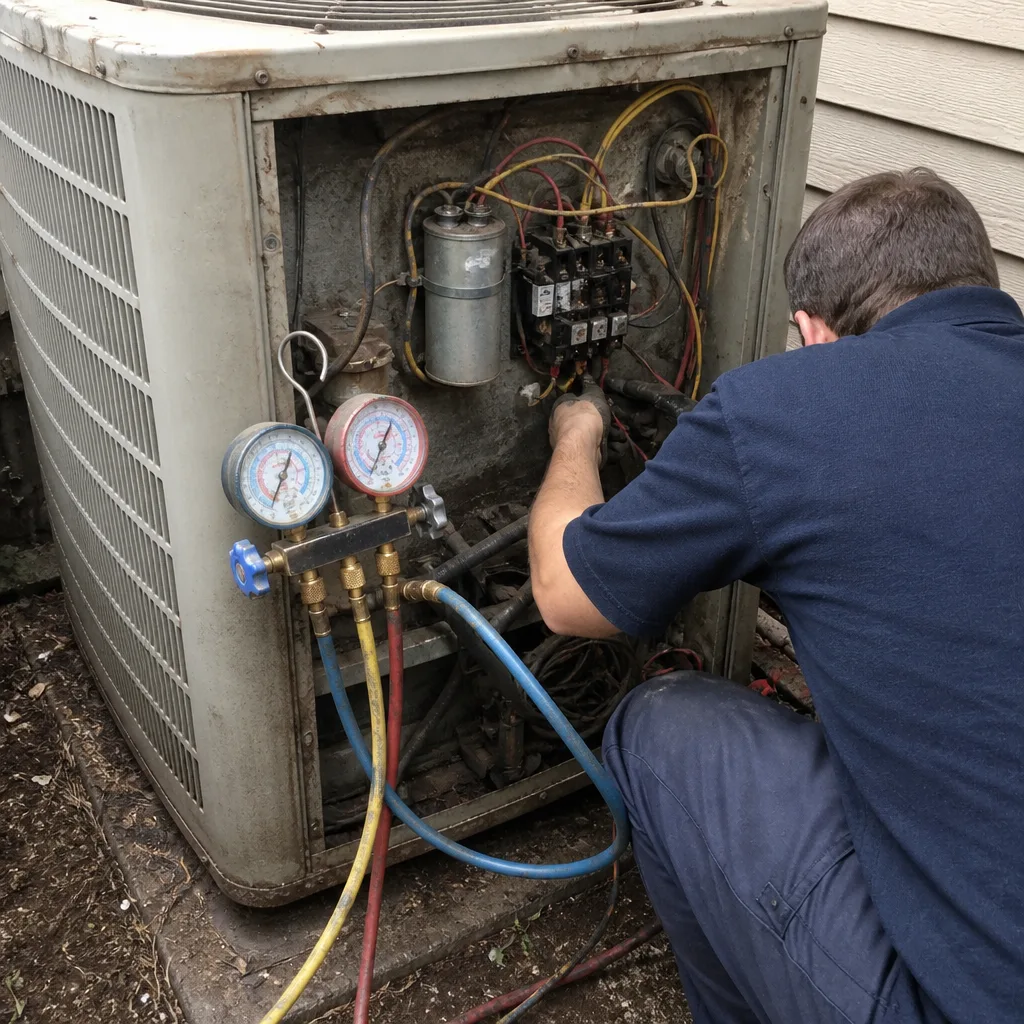
Seasonal tune-up and full diagnostic on your Carrier, Trane, or Goodman system - readings shown to you before any repair is proposed
Diagnosis first, numbers second - you approve the repair price before a single part goes in.
Get your free estimateChoosing the Right HVAC Brand: A Buyer’s Guide for Allen
Most homeowners in Allen shop for HVAC the way they shop for appliances: pick a name they recognize, compare the sticker, pick the cheaper one. That logic works for a microwave. It fails badly for a system that has to run through a Texas summer and a mild winter without a break. Here’s the counterintuitive part: the brand on the box matters less than the contractor who hangs it – but it isn’t irrelevant either. In Allen’s specific market, parts distribution, local wholesale stocking, and warranty service networks vary enough between brands to swing your long-term ownership cost. This guide walks through how to judge a brand on the things that actually show up on a repair invoice, not the things on a showroom brochure.
Quick Answer
There’s no single best HVAC brand for Allen – the right choice depends on which brand has solid parts distribution through North Texas wholesale networks, which warranty terms include labor and refrigerant coverage, and which service network actually reaches Collin County. A well-installed, mid-tier system from a brand with strong local parts availability will usually outperform a premium brand whose replacement components take weeks to arrive. Buy the contractor and the support network first; buy the badge second.
Styles & brands we work with
- AC repair
- Furnace & heating
- Heat pumps
- Ductless mini splits
- Carrier
- Trane
- Goodman
Table of Contents
- Why Parts Availability Matters Most in Allen
- Reading a Manufacturer Warranty Beyond the Headline
- The Specs That Matter More Than Brand Loyalty
- Why Some Premium Brands Underperform in Extreme Heat
- Verifying the Warranty Service Network in Collin County
- A Step-by-Step Way to Evaluate Any Brand
- Common Mistakes to Avoid
- When to Call a Professional
Why Parts Availability Matters Most in Allen
An HVAC system is a mechanical assembly, and every assembly eventually needs a part. The question is how long that part takes to reach your driveway. That gap between brands – not the SEER2 number, not the marketing slogan – is where most of the practical difference lives for an Allen homeowner. When your compressor, control board, or blower motor fails in August, the brand that has strong distribution through North Texas wholesale networks gets you back to cool air in days. The brand that ships from a regional depot three states away leaves you waiting with box fans and a hotel reservation.
Here’s what “strong parts distribution” actually means for a homeowner:
- A regional warehouse within a day’s drive holds common replacement parts for that brand’s residential line.
- Local supply houses in the Dallas-Fort Worth metroplex stock the brand’s high-failure components, not just the premium-tier pieces.
- Your contractor can pull a part from a local counter instead of waiting on a factory order.
- Consumable items like igniters, flame sensors, capacitors, and contactors are on the shelf, not on backorder.
In our experience working on Carrier, Trane, Lennox, Goodman, Rheem, York, Daikin, Bryant, and American Standard equipment across Allen, the brands that hold up best on the parts side aren’t always the ones with the biggest ad budget. Goodman, for example, has a reputation among technicians for being widely stocked locally, which is one reason it shows up in a lot of Allen homes. Carrier and Trane parts are usually available but can be pricier; the trade-off is that you’re not hunting. Bryant shares a lot of internal parts with its sister brands, which shortens the search further. The point isn’t to rank them here – it’s to tell you to ask the question.
When you’re comparing bids, ask each contractor: “If the compressor fails next August, where does the replacement part come from, and how long is the typical wait?” A contractor who works on a lot of brands will have a straight answer. One who only installs a single brand usually won’t, because they’ve never had to think about the alternative.
Reading a Manufacturer Warranty Beyond the Headline
Manufacturer warranties are written to sound bigger than they are. “10-year limited parts warranty” is the headline. What it actually covers – and, more importantly, what it doesn’t – is where homeowners get surprised. In Allen, where the cooling season runs long, warranty details around refrigerant and labor matter as much as the compressor coverage everyone brags about.
Here’s what to look at, in order:
- Parts vs. labor. Nearly every manufacturer covers parts. Very few cover the labor to install them, and labor is often the bigger line on the invoice. Ask what a compressor replacement would cost in labor under this warranty if it fails in year seven.
- Refrigerant coverage. Refrigerant rules have tightened, and the cost of a full system charge is not trivial. Some warranties cover the refrigerant itself; many do not. Confirm which side you’re on before you sign.
- Registered vs. unregistered. Most manufacturers give you the full parts term only if the equipment is registered with them at install. Unregistered, the term typically drops to a shorter default. Registration is often the installing contractor’s job – verify it happens, and keep the confirmation email.
- Transferability. If you plan to sell your Allen home, a warranty that transfers to the next owner is worth more than one that doesn’t. Ask.
- Exclusions. Read the exclusions page. Rust, corrosion from poor drainage, improper install, and lack of maintenance are the usual carve-outs. Any brand can deny a claim if the install or maintenance history looks wrong.
The warranty you actually get is the one the manufacturer intends to honor. That means the installing contractor’s paperwork, registration, and workmanship record determine whether your warranty is usable. A warranty that reads like a legal brief but is backed by a contractor who does clean installs and files everything correctly beats a gold-plated warranty on a sloppy install. Every time.
The Specs That Matter More Than Brand Loyalty
Once you’ve settled the parts question, the specification sheet decides how the system performs. The mistake most Allen homeowners make is choosing a brand and then letting the contractor pick the specs. Reverse that: pick the specs first, then find a brand that meets them with solid local support.
Here’s what to actually look at:
- SEER2 rating calibrated for this climate. SEER2 replaced SEER as the federal efficiency metric a few years back, and the minimums depend on the climate zone. Allen sits in a hot-humid zone, which means the minimum allowed there is higher than in cooler parts of the country. Buy at or slightly above the local minimum – the sweet spot is usually the mid-efficiency tier, not the top-end flagship.
- Compressor type. Scroll compressors are the common choice for residential systems in this climate. Some brands now offer variable-speed or inverter-driven compressors that run longer at lower output. That tends to help with humidity control and comfort in Allen’s long cooling season, but costs more up front.
- Coil material. Aluminum coils have largely replaced copper-aluminum hybrids in residential equipment. The construction quality of the coil matters more than the metal itself, so ask how the coil is braced and how the drain pan is built.
- Air handler and blower design. Variable-speed blowers cost more but run quieter and manage humidity better. Single-speed is fine if budget matters; just know what you’re getting.
- Refrigerant type. Newer equipment uses the newer refrigerant blends. Confirm what your system uses and that local supply houses carry it, because the old refrigerant is being phased down nationally.
None of these are brand-specific. What they tell you is that a well-specified mid-tier system from a brand with local parts support will outperform a poorly-specified flagship system from a brand with a thin local footprint. Focus your comparison on the spec sheet, then loop back to which brand delivers those specs on the timeline and budget you need.
Why Some Premium Brands Underperform in Extreme Heat
Every manufacturer claims their equipment is tested to high ambient temperatures. Some are, and some are tested to a lower ambient and marketed up. Allen summers routinely push the equipment into territory where a system that runs fine at 95°F will start tripping thermal overloads at 105°F. This is not a rumor – it’s the reason technicians working in this part of Texas develop opinions about which brands hold up and which don’t.
Signs that a brand’s equipment has been tested for real heat performance:
- Published ambient operating limits that go to full-heat Texas conditions, not just “up to 95°F.”
- Condenser coil designs with real surface area and proper airflow clearance, not the compact “close the gap” designs that sell on spec sheet but strangle airflow in a tight side-yard install.
- Control boards rated for high-temperature environments – the electronics are where heat-related failures usually start.
- A visible record of the brand being preferred by contractors who work this climate, not just contractors in milder parts of the country.
A premium badge does not guarantee a system that’s happy at 108°F. In our experience, the brands that hold their reputation in Allen’s heat are the ones that invested in compressor and control-board design, not just the ones with a polished brochure. If you want reliability data, ask contractors who work the brand daily – not the brand’s own marketing team.
Verifying the Warranty Service Network in Collin County
A manufacturer warranty is only as useful as the network that can honor it. If the nearest warranty service provider is a fifty-mile drive and closed on your schedule, your warranty effectively doesn’t exist. Before you buy, map the network. This is the step almost every homeowner skips, and it’s the one that matters most after a failure.
Here’s the verification process, in order:
- Ask which service providers in the Collin County area honor the manufacturer’s warranty. Any brand’s customer service line can provide this list; the contractor selling you the equipment can too.
- Check how many of those listed providers actually exist as walk-in service businesses in Allen and the surrounding cities – not just a phone number, an actual local presence.
- Confirm the repair timeline for a warranty claim. If a compressor fails in August, how many days until a warranty-approved technician is on-site? Ask.
- Confirm warranty work is honored for equipment installed by any qualified contractor, not just the selling dealer. Some brands honor this way; others make you go back to the installer. You want the first option.
- Verify the registration process and timeline. Manufacturer registration is usually required within a set window (often within 60 days of install). Find out who files it and get confirmation in writing.
Note that a solid local service network matters more than a vast national one for a homeowner in Allen. You’re not calling an 800 number from Maine; you’re calling someone who can be at your house. In our experience, brands with strong North Texas distribution tend to have stronger local warranty networks, because the parts and the technicians are already nearby. That’s not a coincidence.
A Step-by-Step Way to Evaluate Any Brand
If you’re sitting in front of three bids from three manufacturers, use this sequence rather than comparing brand names. The bid that survives all five steps is usually the right one, even if it’s not the best-known name.
- Verify local parts availability by calling two local supply houses and asking if they stock the brand’s high-failure components. This takes ten minutes and tells you more than any brochure.
- Read the warranty exclusions page before you read the coverage page. The exclusions usually tell you what the manufacturer actually expects to honor.
- Confirm registration responsibility with the contractor – who files it, when, and how you get written proof.
- Compare the spec sheet, not the badge. SEER2, compressor type, coil design, blower type, refrigerant, and air handler. Line them up side by side.
- Ask the contractor which brands they see the fewest comebacks on, and which ones they see the most. A straight answer here is worth the entire sales pitch.
Run the same five steps whether you’re looking at a Bryant bid, an American Standard bid, or a Trane bid. The result is usually clearer than you expect. And if a contractor can’t answer the five questions, that’s a data point about the contractor as much as the brand.
Common Mistakes to Avoid
- Buying the badge, not the install. Two identical Carrier systems installed by two contractors will perform differently for a decade. The installation quality – sizing, line-set routing, charge verification, airflow calibration – drives more of your outcome than the brand. Ask about the install process, not just the equipment.
- Falling for a flashy SEER2 number that overshoots what you need. In Allen’s climate, a mid-efficiency system sized correctly and installed well will cost less to own than a top-efficiency system sized wrong. The number on the box isn’t the number you’ll see on the bill.
- Skipping the registration paperwork. If your contractor doesn’t file the manufacturer registration, your “10-year warranty” is often a shorter default term, usually buried in a sentence no one reads. Verify the confirmation email arrives.
- Assuming a premium brand has a premium local service network. Some of the biggest names in the industry have a thin presence in Collin County. Ask before you buy, not after your first failure.
- Choosing a brand the local contractors can’t service well. If no nearby HVAC company routinely works on the brand, your options for warranty repair and future service are constrained. Being brand-agnostic on our end is one way we make sure that isn’t an issue for the Allen homes we work in.
- Ignoring refrigerant type and phase-down timing. Refrigerant rules are tightening nationally, and buying equipment whose refrigerant is being phased down can mean higher future service costs. Confirm what your system uses and that local supply carries it.
- Comparing on price alone. A system that costs $800 less up front and takes an extra three weeks to repair in August is not cheaper. Price the whole ownership picture, including lead times.
When to Call a Professional
You should call a professional when a system needs a compressor or control-board replacement, when the equipment isn’t producing the temperature split it should, when there’s ice on the refrigerant lines, when the breaker trips repeatedly, or when the manufacturer’s warranty claim requires a certified technician. You should also call before you buy – before the equipment is ordered – because the brand decision locks in your ownership cost for the next decade or so, and getting that decision right is where we can genuinely help. Highpoint AC Repair offers free estimates in Allen; call (855) 752-3431. Our technicians have up to 11 years of experience and work on Carrier, Trane, Lennox, Goodman, Rheem, York, Daikin, Bryant, and American Standard equipment, so any of those brands is already familiar territory by the time we arrive.
If you want to route through the main site first, you’ll find us at Highpoint AC Repair, and the local landing page for our Allen coverage lives at Allen. When it’s time to move past the brand question, we handle AC installation and furnace repair under one roof, which means the same team that installs the system also services it when it needs work.
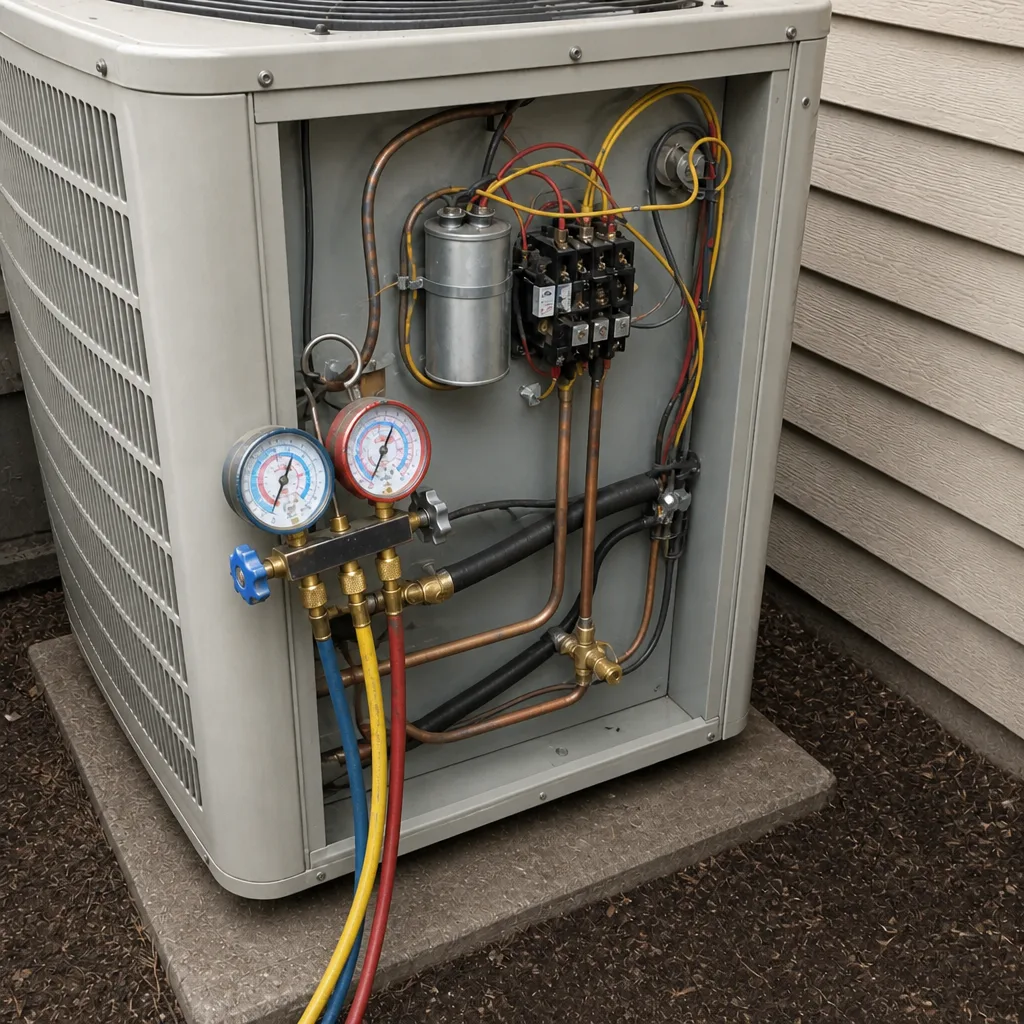
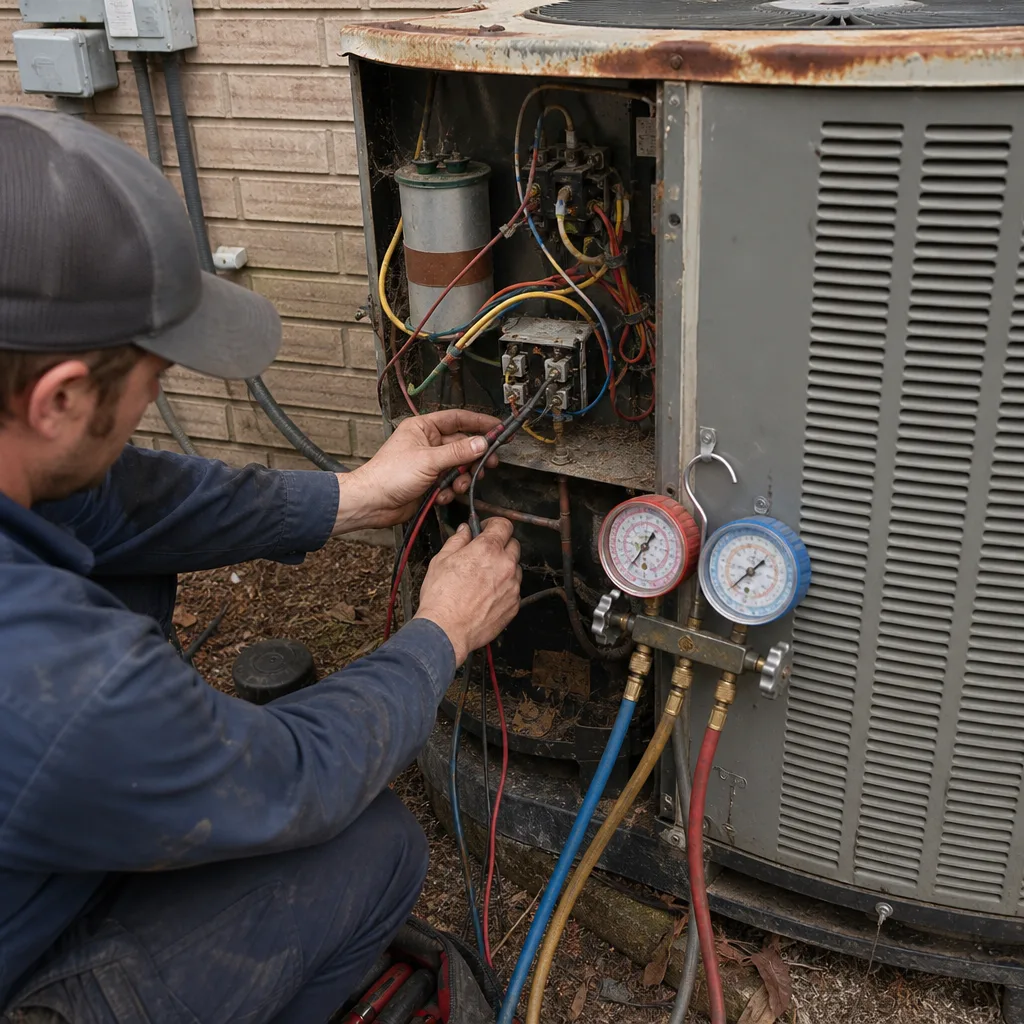
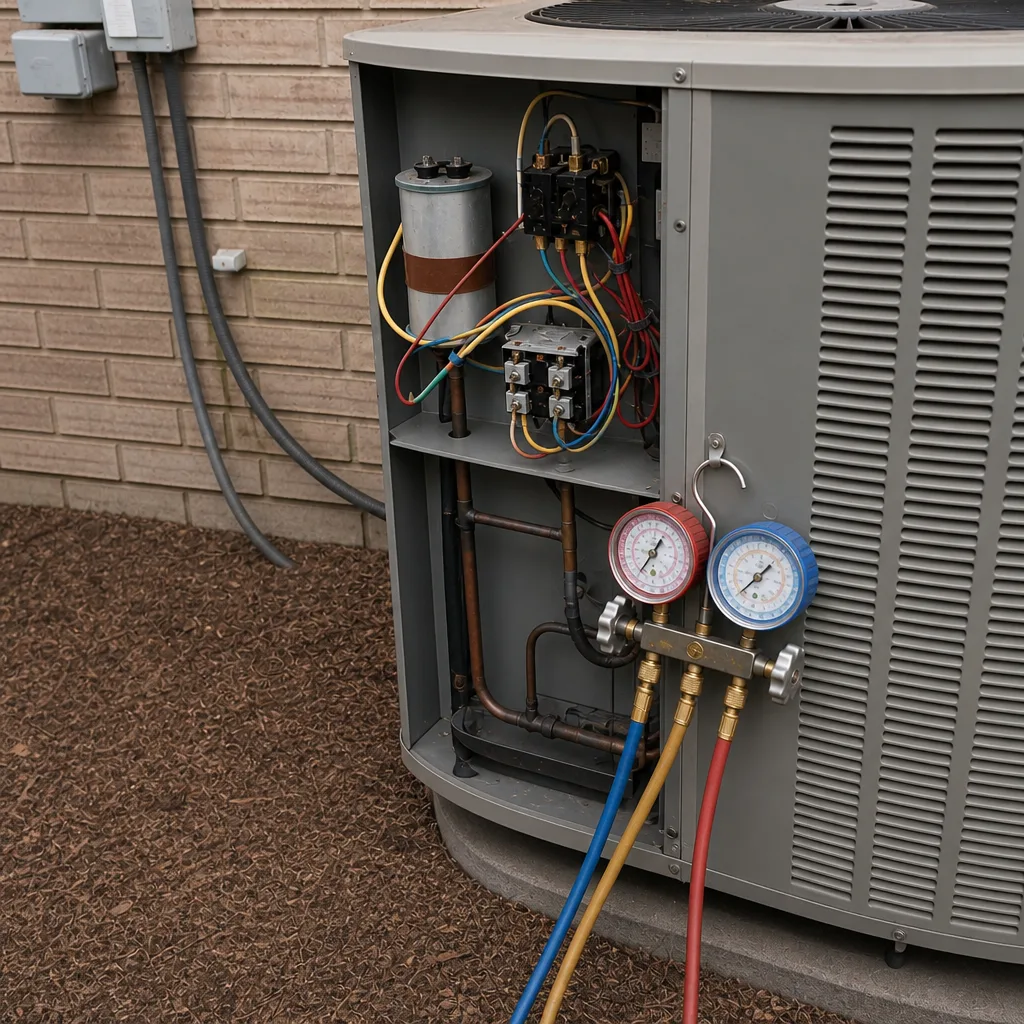
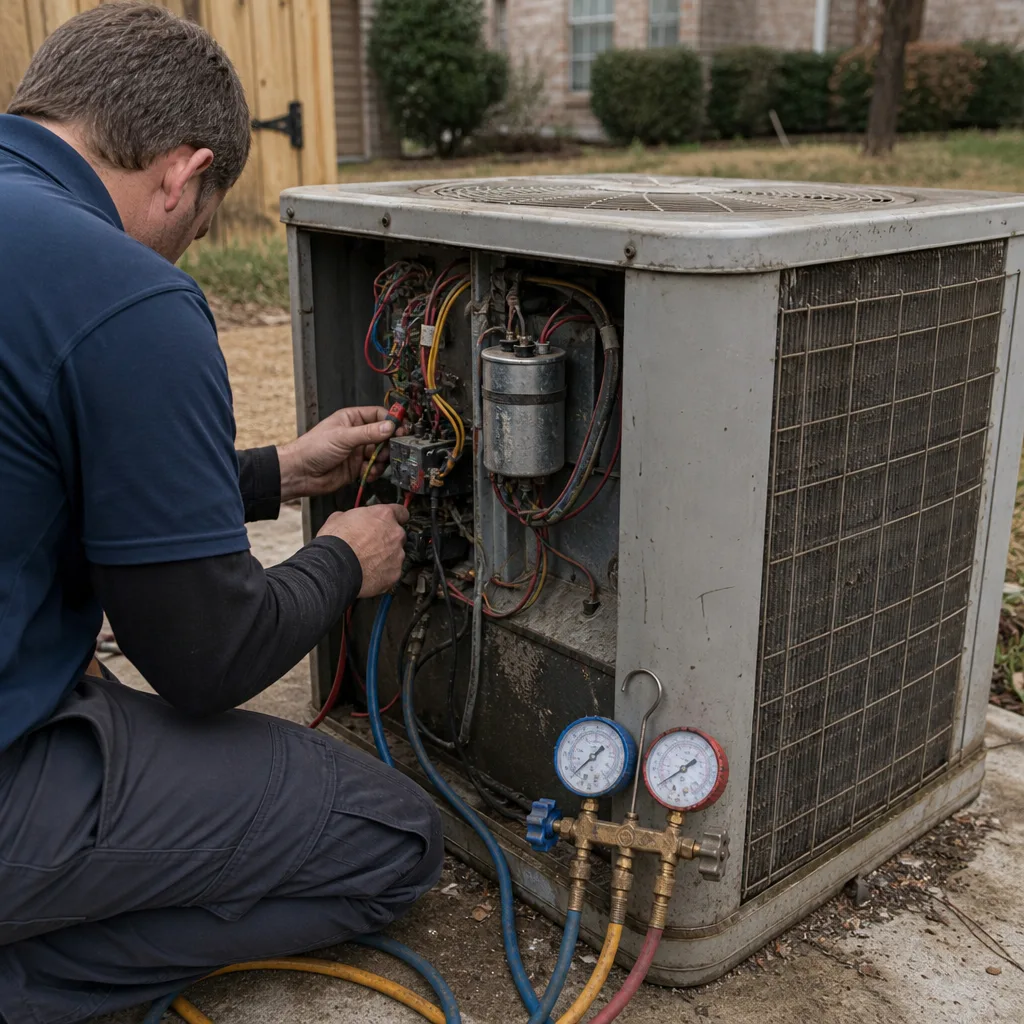
See the difference
 Before
 After
 Before
 After
 Before
 After
Frequently Asked Questions
There’s no single most reliable brand for Allen – reliability depends on which brand has strong parts distribution through North Texas wholesale networks and which has proven compressor and control-board performance at high ambient temperatures. Carrier, Trane, Bryant, and American Standard are the names we see most often serving Allen homes reliably, but a mid-tier system from any of those, correctly sized and installed well, will beat a poorly installed flagship. Call (855) 752-3431 for a free estimate – we’ll walk through which brand fits your home and timeline.
The contractor matters more, but only up to a point – the brand still affects parts lead times and warranty service. Two identically priced systems from different brands can have a meaningfully different wait when something fails, and in an Allen summer that wait is the difference between a bad week and a hotel bill. The right answer is usually the contractor who does clean installs and works with a brand that has strong local support. Call (855) 752-3431 to talk through your options.
Yes, and often in places that don’t show up in the headline. The important distinctions are parts versus labor coverage, refrigerant coverage, whether the full term requires manufacturer registration at install, and whether the warranty transfers if you sell your Allen home. A 10-year parts warranty without labor coverage can still leave you with a large invoice after a compressor failure. Verify the exclusions page and the registration requirement before you sign. For a free estimate, call (855) 752-3431.
Ask the manufacturer’s customer service line for the local warranty service providers in the Collin County area, then confirm those businesses have an actual local presence and can honor warranty claims for equipment installed by any qualified contractor. The question to ask directly is: “If my compressor fails in August, how many days until a warranty-approved technician is on-site?” If the answer is vague, that tells you something. Call (855) 752-3431 for help evaluating your options.
Not automatically. A premium badge does not guarantee equipment tested to high ambient temperatures, and some brands underperform their reputations in this climate. The signs to look for are published ambient limits, real condenser-coil surface area, high-temperature-rated control boards, and a strong record among contractors who work this climate daily. In our experience, the equipment that holds its reputation in Allen’s heat earned it through engineering, not marketing. Call (855) 752-3431 for a free estimate.
It can, primarily through parts availability. A brand with strong North Texas distribution will typically have common furnace components – igniters, flame sensors, control boards – on the shelf at local supply houses, which shortens repair timelines and often shortens the labor bill too. A brand without local distribution can mean factory orders and longer waits. That’s one reason we work on nine brands rather than one. Call (855) 752-3431 to talk through what your system needs.
The Bottom Line
The best HVAC brand for your Allen home isn’t the one with the biggest ad spend – it’s the one with strong parts distribution through North Texas wholesale networks, warranty terms that include labor and refrigerant, and a service network that actually reaches Collin County. The specs that matter (SEER2 calibrated for this climate, compressor type, coil design, refrigerant type) are brand-neutral, so start there and let the badge follow. A mid-tier system from a brand with strong local support, correctly sized and installed by a contractor who does clean work, will outperform a premium system with none of those. That’s the whole comparison. Everything else is brochure copy.
If you’re weighing bids and want a straight answer about which brand, which specs, and which timeline make sense for your Allen home, give us a call. Highpoint AC Repair offers free estimates in Allen – call (855) 752-3431. We answer 24/7. Fast dispatch from 7am to 7pm, Sunday through Friday. Whether it’s the first install or the fifth repair, we work on your brand, we’ll write a fixed price, and the estimate is free.
Written by the team at Highpoint AC Repair.